Home / Lifestyle
Doctor reveals the one move you make getting out of bed that is secretly wrecking your spine
That first move of the day might feel automatic, but experts warn that how you get out of bed can lead to back aches and stiffness. An orthopaedic surgeon explains the common mistake that puts massive stress on your spine
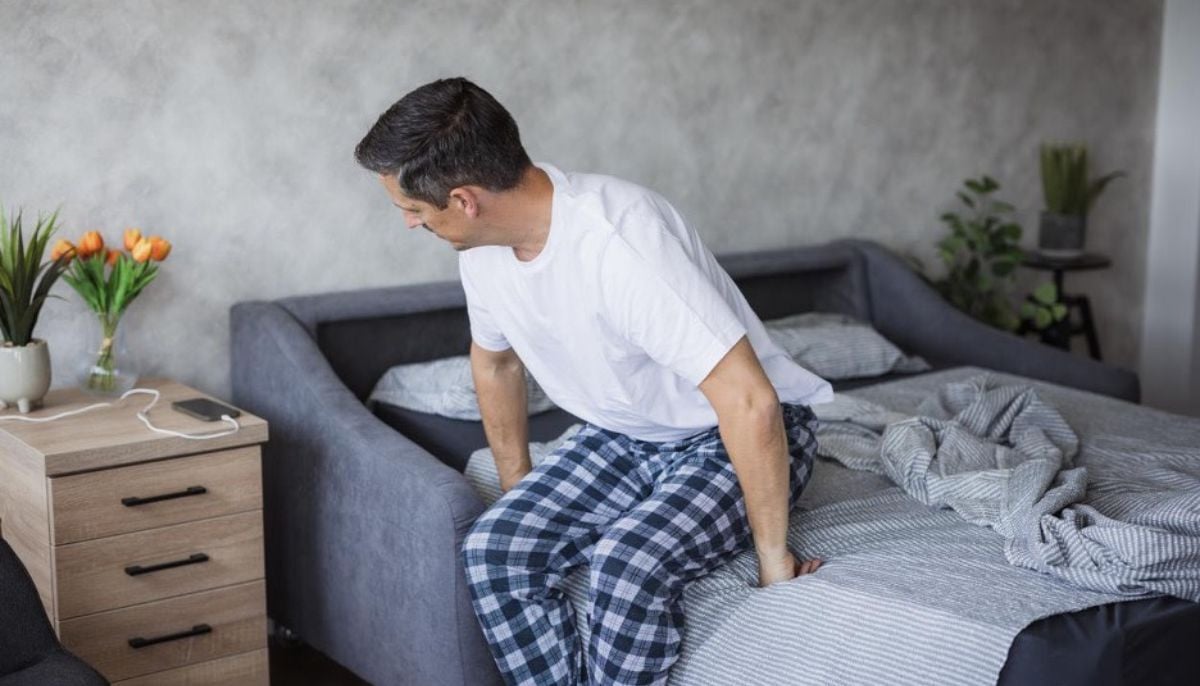
The sound of the alarm marks the start of a new day, but as you shake off sleep, do you ever stop to think about how you're getting up? For most, it is an unconscious action, a routine driven by muscle memory. Yet, that very first movement can set the tone for your physical well-being for the rest of the day, potentially affecting your spine, neck, muscles, and joints in ways you might not realise until a dull ache sets in later. The question of whether to roll left, right, or sit straight up is more than just a matter of habit; it's a matter of spinal health.
The biggest mistake you're making
According to one expert, there is one particularly common movement that could be the silent cause of your daily aches and pains. In an interview with HT Lifestyle, Dr Gaurav Singh Bhandari, director of orthopaedics at Dharamshila Narayana Super-speciality Hospital, revealed the single biggest error people make. He expressed concern that most of us are guilty of the 'sit-up', where you abruptly hoist your torso from a flat, lying position into a seated one.
This movement, he explained, forces the spine into immediate flexion, putting a "massive amount of unnecessary stress on the lower back before the muscles are even 'awake' enough to support the load." This sudden strain is a recipe for stiffness and can lead to a persistent, dull ache that follows you throughout the day. It's a jarring start for a part of your body that has been resting for hours.
Why is your spine so vulnerable after waking
To understand the risk, it’s crucial to know what’s happening to your back while you sleep. "For several hours, your spine is in a completely unloaded, relaxed state; your intervertebral discs are actually hydrating and expanding," Dr Bhandari stated. This overnight hydration process is healthy, but it leaves your spinal discs temporarily swollen and your back less able to cope with sudden, forceful movements first thing in the morning.
Your muscles are also relatively stiff upon waking. When you combine these stiff muscles with fluid-filled discs, any abrupt jerking motion, like sitting straight up, can put undue pressure on your vertebrae and the surrounding tissue. Chiropractors and physical therapists agree that this is the moment your spine is most susceptible to injury, making a gentle transition from lying to standing essential.
The expert-approved 'log roll' technique
So, if the sit-up is ruled out, what is the correct way to rise? The consensus among experts is a method known as the 'log roll'. This technique is designed to keep your spine in a neutral, straight alignment, minimising any twisting or straining.
To perform the log roll, you first bend your knees while lying on your back. Then, you roll your entire body onto your side as one unit, keeping your hips and shoulders aligned, much like a log. From this side-lying position, you can drop your legs over the side of the bed. At the same time, use your arms to push your upper body up into a seated position. This simple, controlled movement engages your arm and core muscles for support, taking the pressure completely off your delicate lower back. It is especially recommended for anyone with existing back pain, sciatica, or those recovering from surgery.
But should you roll to the left or the right?
While Dr Bhandari noted that people often focus on which side to turn to, he explained the direction is less important than avoiding the initial sit-up. For the average healthy person, the choice between left and right is largely a matter of personal comfort and preference.
However, in certain circumstances, the direction does matter. In the practice of yoga, for instance, it is traditional to roll onto your right side. This is believed to keep the heart free from pressure and to activate the body’s cooling, calming energies for a peaceful start to the day. Conversely, pregnant women are often advised to get up from their left side. This position promotes optimal blood flow to the foetus and avoids putting pressure on major blood vessels. The log roll technique itself is also highly recommended during pregnancy to prevent straining the abdominal muscles.
Prepare your body before you even stand up
To make the transition from sleep to wakefulness even smoother, experts suggest a few gentle movements before you even get out of bed. Taking a minute to awaken your muscles can improve blood flow and prepare your body for the day. Simple stretches like gently pulling your knees towards your chest, one at a time or together, can help to release tension in the lower back. A gentle spinal twist, where you let your bent knees fall to one side while keeping your shoulders on the mattress, can also help to increase mobility. Finally, taking a moment to sit on the edge of the bed before standing up can help prevent any dizziness or light-headedness.
Making this small change to your morning routine may seem minor, but it is a powerful way to protect your spine. By ditching the abrupt sit-up and adopting the gentle log roll, you can help prevent unnecessary strain and start your day on a stronger, pain-free footing.