Jensen Huang reveals he would avoid starting Nvidia knowing the challenges
Nvidia's ascent involved enduring significant challenges, including humiliation and near-failure, as CEO Jensen Huang revealed
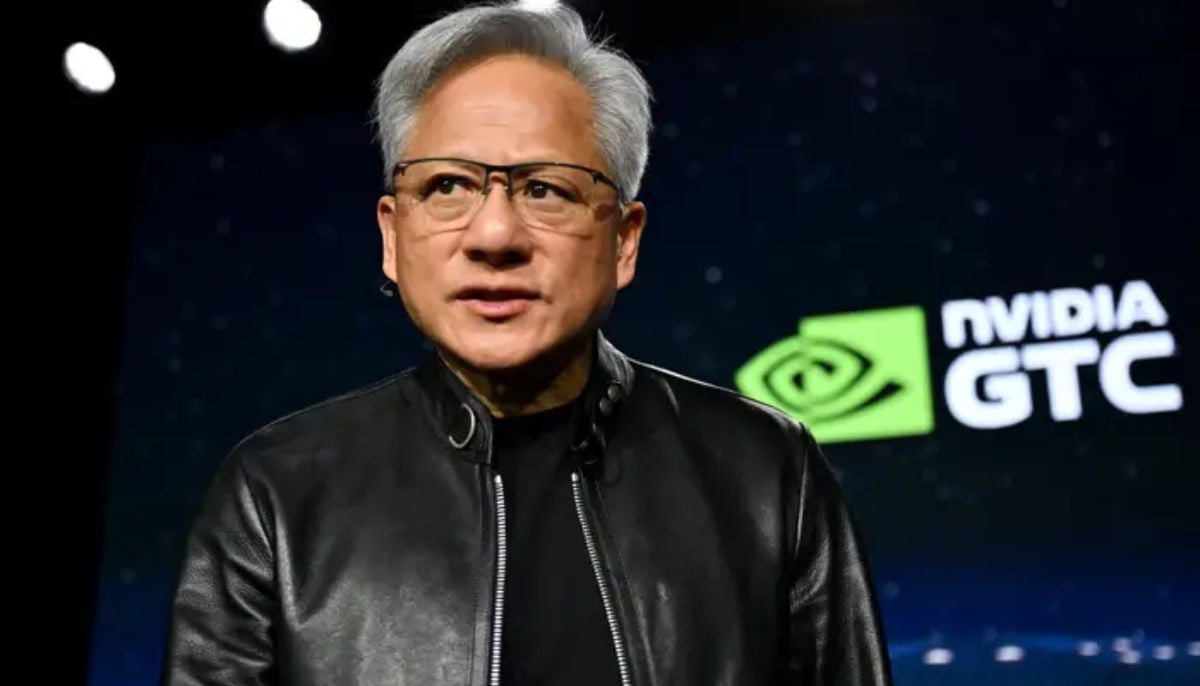
Starting Nvidia from scratch? Jensen Huang says definitely not.
During an appearance on the "How I Built This" podcast with Guy Raz aired on Monday, Huang discussed the years of pressure, embarrassment, near-bankruptcies, and personal sacrifices involved in transforming Nvidia into the foremost semiconductor company with a market valuation of $5.3 trillion and a major driving force behind the AI expansion. Nvidia was established in 1993 and became publicly traded in 1999.
"Imagine I understood everything then that I am aware of now — how challenging it is, the pain, suffering, embarrassment, and setbacks," Huang pondered about starting again. "My response is, absolutely not."
The price of success
The wealthy CEO remarked that many founders downplay the emotional burden of creating a company because individuals tend to focus solely on the end results.
"If you're asking whether, knowing how Nvidia has evolved, aware of our contributions to the world, understanding the company's current impact on numerous sectors, and recognising all the benefits we've gained from our success, do I appreciate those aspects? Yes," Huang responded. "However, that wasn't the question at hand."
Huang recounted times in the mid-2010s when Nvidia's stock value plummeted while the company continued investing in CUDA, the software platform that later became crucial to modern AI technology.
During the 2008 economic downturn, Nvidia shares plunged roughly 85% from their peak in late 2007. At that moment, many investors questioned the approach.
"It was embarrassing. It was humiliating," Huang noted. "Everyone seemed to detest you. Your workforce may have felt ashamed for you."
Nvidia also weathered numerous existential challenges in its initial years, such as unsuccessful chips, layoffs, and instances when Huang felt the company was mere weeks from depleting its funds.
In 1996, Nvidia nearly went bankrupt after failing to supply Sega with a graphics chip. Sega's $5 million investment kept the company afloat.
"You're close to shutting down. Employees will lose their jobs," Huang explained, illustrating the harsh realities of startup life.
Letting go of the difficulties
Huang revealed that his ability to persevere was by teaching himself not to dwell on past mistakes.
"I spent all my energy on forgetting the previous day," he shared. "What do they advise athletes? Forget about the last point."
The CEO also looked back on the personal sacrifices made for Nvidia's growth. Huang admitted he missed many of his children's karate competitions while juggling constant work and postgraduate studies at Stanford.
"I missed quite a bit," he acknowledged, crediting his wife for "handling everything."
Nevertheless, Huang remarked that Nvidia's triumph came from staying committed to ideas that others dismissed, particularly the notion that graphics chips could one day power a new era of computing beyond gaming.
"I believe many overlook the struggle and perseverance required to achieve something extraordinary," Huang commented. "It's because you're always looking ahead and letting go of the past."