Vet shares simple guide to keeping stray animals safe and hydrated during brutal summer heatwaves
Clay or ceramic bowls help keep water cooler for longer and offer much-needed relief during summer heatwaves
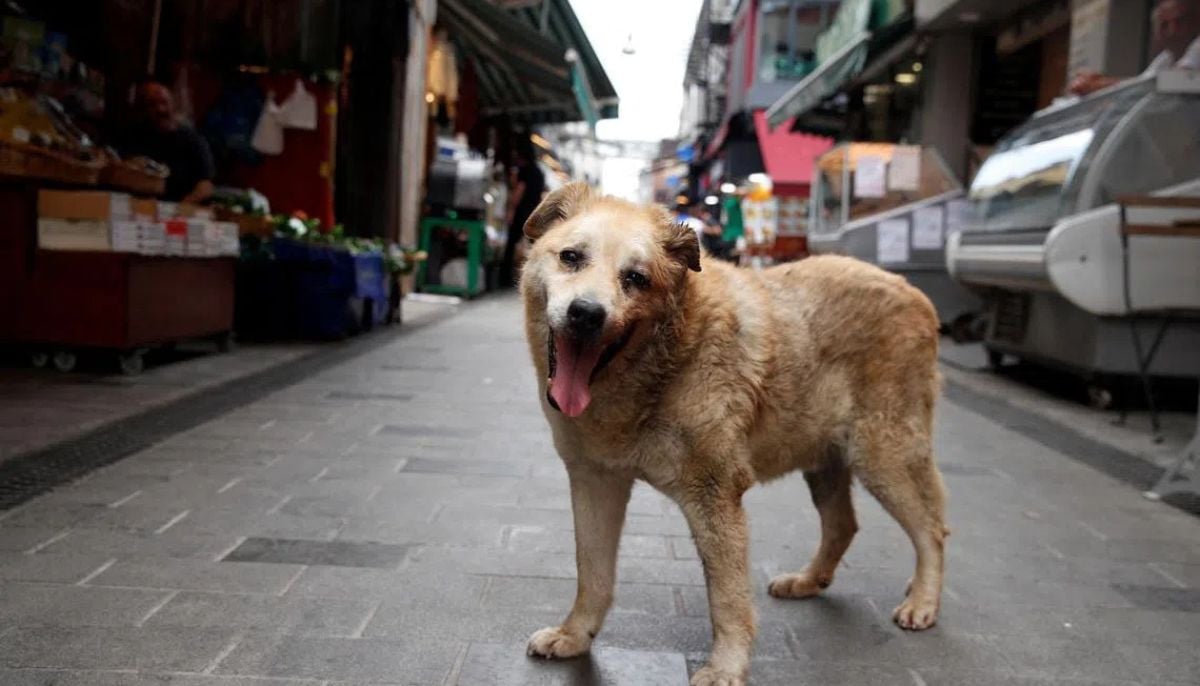
The summer season is becoming increasingly punishing, with record-breaking temperatures making headlines almost every day.
During heatwaves, most people retreat indoors to the refuge of air conditioning — but stray animals on the street have nowhere to turn and no escape from the relentless sun.
Dr Vishal Dangle, scientific communication manager at Royal Canin, has shared a practical and accessible guide on the vital steps anyone can take to help community animals stay hydrated, safe, and protected during the harshest months of the year.
"You don't need too many resources or expertise, or burn a hole in your pocket to keep your neighbourhood strays safe during the summer," Dr Dangle told HT Lifestyle.
"A simple bowl of water. A piece of fruit. A cardboard box in a corner. That's all it takes. These small gestures of kindness can help our community pets get through the summer unscathed."
The essentials strays need during summer
1. Water first, always
Placing bowls of fresh, cool drinking water outside your home, building, or shop is the single most impactful thing you can do for a stray animal during summer.
Because water left out in the heat warms rapidly, bowls should be checked and refilled throughout the day and kept away from direct sunlight wherever possible.
Using clay or ceramic bowls can help keep the water cooler for longer, offering much-needed relief from the heat.
2. Shade
If you have a covered porch, garage, or shaded corner outside or within the gates of your home, consider allowing community animals to shelter there during the hottest part of the day — typically between 11 am and 4 pm.
If that is not possible, a simple makeshift shelter constructed from cardboard boxes can be used to block direct sunlight and create a cooler resting spot.
3. Hydrating food
Leaving food out for strays can also make a meaningful difference. A few pieces of watermelon or cucumber help replenish fluids lost to the heat, and nutritious, hydrating food helps keep animals' energy levels stable when their bodies are working hard to stay cool.
How to spot a heat emergency — and what to do
Knowing the warning signs of heat distress in a stray animal could save its life. Watch out for heavy panting, excessive drooling, vomiting, weakness or an inability to move, unresponsiveness, and loss of consciousness.
If you encounter an animal showing any of these signs, move it immediately to a shaded or cooler spot and offer small amounts of cool water.
Wet the animal's paws and body with cool water, but avoid forcing it to drink. Contact a local animal rescue group or veterinarian as quickly as possible.