Tesla launches its first fully driverless robotaxis on the streets of Austin, Texas
Tesla's Austin robotaxi launch marks a pivotal moment in the company's shift towards AI and robotics
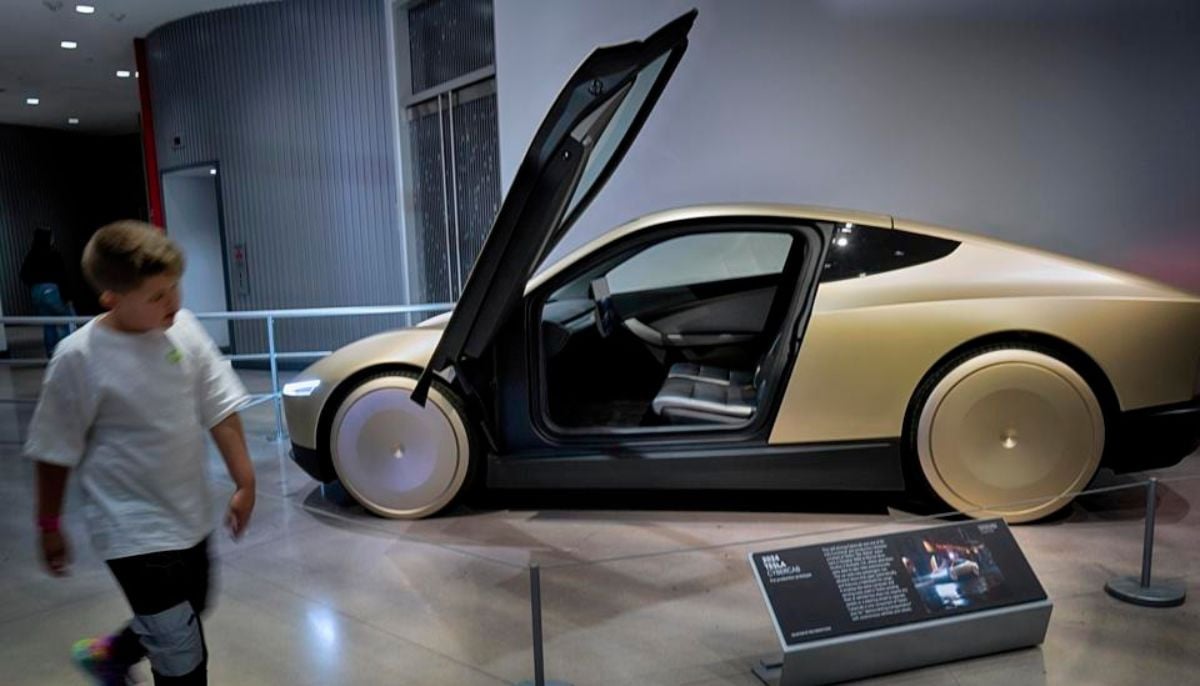
Tesla has officially taken a landmark step in autonomous transport, launching its first fully driverless commercial robotaxi service in Austin, Texas. The electric vehicle maker confirmed on Wednesday that it was rolling out unsupervised robotaxis across the Austin Metro area, as the company accelerates its push into autonomous ride-hailing.
"Unsupervised Robotaxi now in the entire Austin Metro area," Tesla's official robotaxi account announced in a post on X.
A strategic shift from EVs to AI and robotics
The Austin rollout forms a central pillar of Tesla's broader growth strategy, following chief executive Elon Musk's decision to pivot the company's focus away from electric vehicles and towards artificial intelligence and robotics.
Expanding the robotaxi service and driving wider adoption of its Full Self-Driving software — the technology that underpins the autonomous fleet — are now key priorities for the business.
The service has actually been operational in Austin for nearly a year, though customers have at times experienced wait times of more than 30 minutes.
Austin: a deliberate and strategic choice
The choice of Austin is far from coincidental. The city is home to Tesla's global headquarters at Gigafactory Texas and benefits from a state regulatory environment that is notably permissive and accommodating towards the testing and commercial deployment of autonomous vehicles — making it an ideal launchpad for the company's ambitions.
According to local Austin officials, Tesla currently has approximately 50 vehicles operating in the city. By comparison, Alphabet's Waymo runs more than 250 vehicles in the same area, highlighting the gap Tesla still needs to close against its most established rival.
Musk said last month that he expects fully self-driving vehicles operating without human safety monitors to become more widespread across the United States later this year, following their initial introduction in Texas.
Inside the Tesla robotaxi fleet
Tesla's newly launched robotaxi fleet is built around the Model Y, the company's best-selling crossover. The vehicle's ample passenger space, ease of entry and exit, and elevated ride height give its camera-based Full Self-Driving suite an advantageous vantage point for navigating complex urban traffic conditions.
Unlike some rival autonomous systems, the Model Y robotaxis rely entirely on external cameras and advanced neural networks to perceive and interpret their surroundings — without the use of lidar or radar.
The onboard end-to-end artificial intelligence uses neural networks trained on millions of hours of real-world driving data to read and respond to roads in real time, enabling it to theoretically operate in any environment.