Do pillows have an expiry date? Doctors warn of hidden health risks
Experts reveals pillows don’t last forever — and using them too long could affect sleep, skin, and even respiratory health
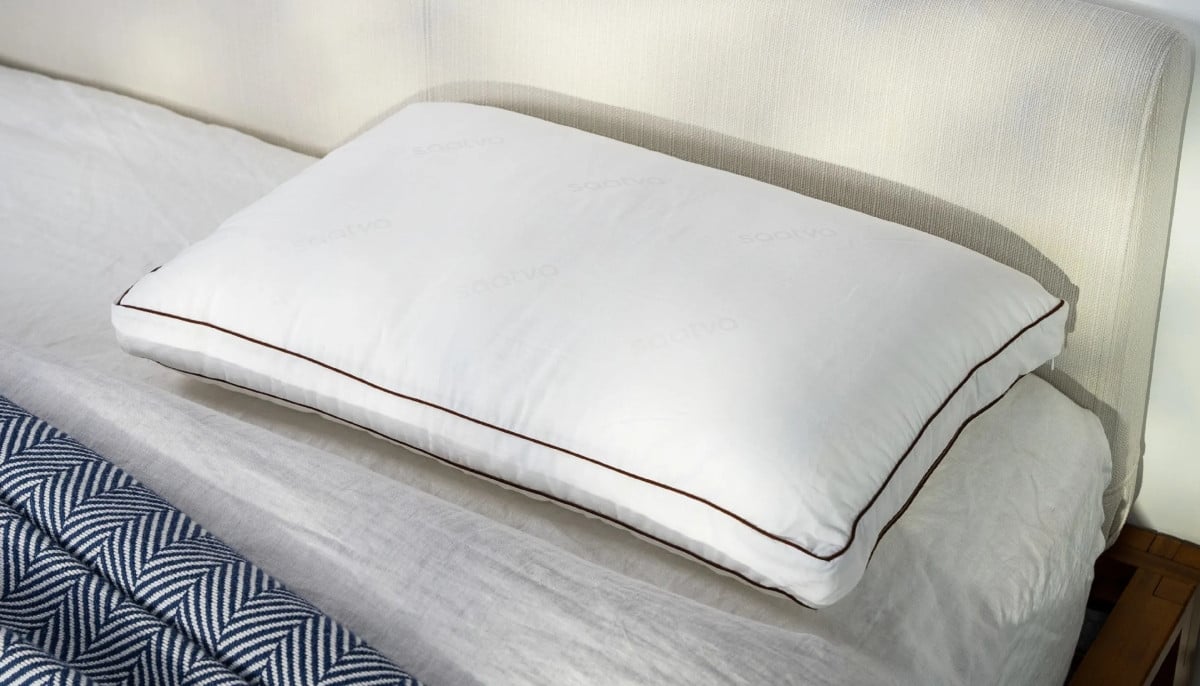
We regularly check expiry dates on food, medicine, and skincare products, but most people rarely consider whether their pillow also has a lifespan.
Since pillows are used for around 7–10 hours every night, they gradually collect sweat, oils, dead skin cells, dust mites, and allergens over time. Experts say this buildup, combined with material breakdown, can impact both hygiene and comfort.
Orthopaedic surgeon Dr Rahul Modi told Health Shots that pillows should be replaced at regular intervals, warning that neglecting them may affect sleep quality and health.
Health risks of keeping old pillows
According to Dr Modi, pillows can become a breeding ground for dust mites, bacteria, and allergens when used for too long without replacement or cleaning.
He explained that synthetic materials like polyurethane foam can degrade over time, potentially releasing compounds that may not be ideal for long-term exposure.
Prolonged use of unhygienic pillows may contribute to skin issues such as acne, irritation, and allergies. In more severe cases, experts warn that poor pillow hygiene could increase respiratory risks, particularly for sensitive individuals.
How often should you replace your pillow?
The lifespan of a pillow depends on its material, usage, and care. Dr Modi outlines general replacement timelines:
Polyester pillows: 6 months to 2 years
Feather/down pillows: 5 to 10+ years
Memory foam pillows: 2 to 5 years
Latex pillows: 3 to 5+ years
Buckwheat pillows: long-lasting, with proper care
He adds that even durable pillows should be replaced sooner if they lose shape, support, or hygiene quality.
Choosing the right pillow for long-term support
Experts stress that pillow selection should depend on sleep position, body type, and neck alignment.
Memory foam and latex pillows are often recommended for spinal support, while buckwheat pillows offer adjustability and firmness control. Feather pillows are praised for durability and breathability, while polyester options are more affordable but wear out faster.
The goal, doctors say, is maintaining proper head, neck, and spine alignment to avoid stiffness and discomfort.
Bottom line: your pillow may need replacing sooner than you think
While pillows don’t come with a clear expiry date, experts agree they do degrade over time — both structurally and hygienically.
Replacing pillows at appropriate intervals, based on material and condition, can improve sleep quality, reduce allergens, and support overall health.
Note to readers: This article is for informational purposes only and not a substitute for professional medical advice. Please consult a qualified expert for personalised guidance..