Your diet may look healthy but still fall short on this key compound linked to heart health
Researchers found that most adults may not consume enough flavanols daily, even with a healthy diet
Eating plenty of fruits and vegetables is widely considered one of the best ways to support heart health but new research suggests many people may still be missing an important plant compound that could provide additional benefits.
A new study published in Food & Function found that most people do not consume enough flavanols, natural compounds found in foods like berries, apples, tea, cocoa and other plant-based foods, despite following general fruit and vegetable recommendations.
Previous research has linked consuming around 500 milligrams of flavanols daily with cardiovascular benefits, including a reduced risk of heart-related problems.
However, researchers found that simply meeting standard dietary guidelines does not guarantee reaching that level.
The study analyzed data from more than 30,000 participants from two major research projects, including the EPIC-Norfolk study and the COSMOS trial, examining participants’ eating habits and flavanol intake.
Researchers discovered that fewer than one-quarter of people who ate the recommended amount of fruits and vegetables reached the flavanol intake level associated with potential heart benefits.
Why fruits and vegetables may not be enough
Experts say the reason is that not all fruits and vegetables contain the same amount of flavanols.
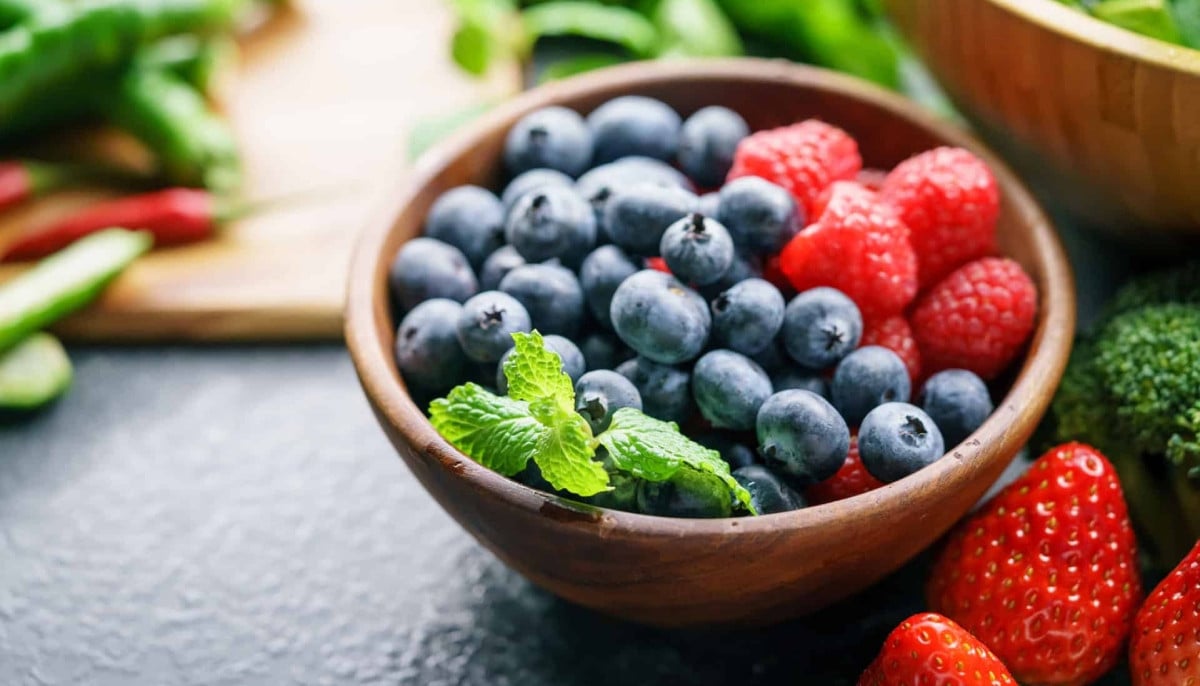
For example, certain foods may provide significantly higher amounts of these compounds than others. Foods such as apples, pears, berries, grapes, tea, legumes and cocoa are among the richer sources.
“Following the general dietary guidelines for consumption of fruit and vegetables will not assure that you receive sufficient intake levels of flavanols,” study author John Erdman, PhD, explained.
The researchers noted that a person could eat several servings of fruits and vegetables daily but still consume relatively low amounts of flavanols depending on their food choices.
How flavanols may support heart health
Flavanols are plant compounds that have been studied for their possible role in supporting blood vessel function and cardiovascular health.
Previous research from the COSMOS trial found that participants who consumed a daily cocoa extract containing 500 milligrams of flavanols had a lower risk of cardiovascular death compared with those who took a multivitamin.
Experts say flavanols may help by supporting healthy blood vessels and reducing processes linked to inflammation and oxidative stress.
However, researchers caution that the findings do not prove that flavanols directly prevent heart disease.
Experts say variety still matters most
Doctors say the findings should not encourage people to focus only on one nutrient.
Cardiologists and nutrition experts emphasize that overall eating patterns remain more important than targeting a single compound.
Fruits and vegetables contain many heart-supporting nutrients, including fiber, potassium, nitrates and antioxidants that work together to benefit cardiovascular health.
“Zeroing in on just flavanols misses the point,” experts noted, adding that a varied, colorful diet remains the foundation of healthy eating.
Easy Ways to Add More Flavanol-Rich Foods
Experts suggest making simple additions rather than completely changing your diet.
Some flavanol-rich choices include:
- Apples and pears as snacks
- Berries added to breakfast
- Unsweetened green or black tea
- Grapes as a daily fruit option
- Beans added to meals
- Small amounts of dark chocolate or cocoa
Researchers also recommend getting flavanols through whole foods rather than relying on supplements, since foods provide additional nutrients that capsules may not offer.