How much water you need daily for weight loss, according to experts
Dietitian explains how hydration can help support weight loss goals
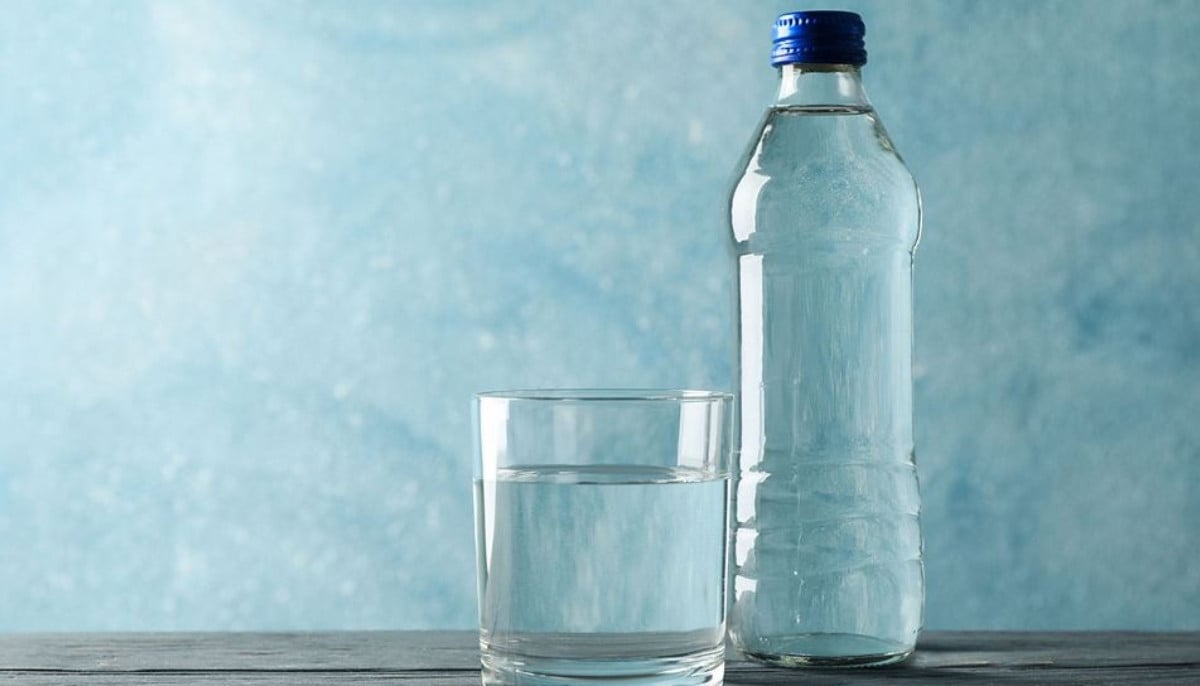
Drinking enough water may support weight loss by boosting metabolism, reducing calorie intake, and helping control appetite, according to registered dietitians.
While individual needs vary, experts generally recommend about 15.5 cups of fluids per day for men and 11.5 cups for women. However, those aiming to lose weight may need more, especially if they are active or live in warmer climates where fluid loss through sweat is higher.
How water supports weight loss
Water may play a supportive role in weight management in several ways.
Boosts metabolism
Drinking water can temporarily increase energy expenditure, helping the body burn more calories throughout the day.
Reduces calorie intake
Replacing sugary drinks such as soda, juice, or sweetened tea with water can significantly lower overall calorie consumption.
Helps control appetite
Drinking water before meals may increase feelings of fullness, potentially reducing overeating.
Adds to nutrient intake
Fruits and vegetables with high water content also contribute to hydration while providing fibre and essential nutrients.
What water can’t do alone
Experts stress that water is not a standalone weight-loss solution. While it can support calorie control and hydration, fat loss only occurs when calorie intake is lower than calorie expenditure.
Sustainable weight loss also requires a balanced diet, regular physical activity, adequate sleep, and stress management.
Simple ways to drink more water
To increase daily hydration, dietitians suggest simple habits such as:
- Flavouring water with fruit, cucumber, or herbs
- Using an appealing bottle or cup
- Tracking daily intake with an app or journal
- Setting reminders throughout the day
Ultimately, consistent hydration can support overall health and may complement weight-loss efforts when combined with healthy lifestyle habits.
Note to readers: This article is for informational purposes only and not a substitute for professional medical advice. It is based on user-generated content from social media.