New saliva test could speed up endometriosis diagnosis in ‘game-changing’ breakthrough
The tests will be introduced in England and Wales as part of a three-year evaluation to assess their effectiveness
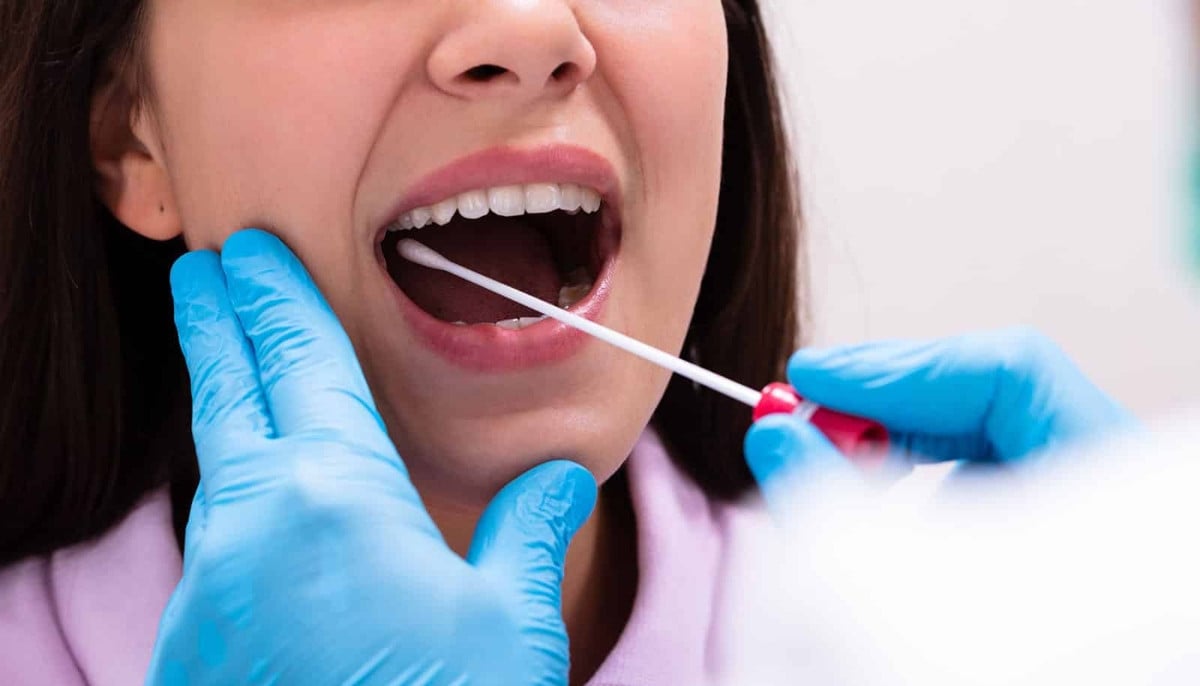
A new saliva-based test could significantly reduce the years-long wait many women face before receiving an endometriosis diagnosis, marking what experts are calling a "game-changing" step forward in women's healthcare.
The National Institute for Health and Care Excellence (NICE) has issued draft guidance recommending the use of two new diagnostic technologies—Endotest and EndoSure—within the National Health Service (NHS) in England and Wales to help identify the condition more quickly.
Endometriosis occurs when tissue similar to the lining of the uterus grows outside the uterus, often causing chronic pelvic pain, severe cramping and, in some cases, fertility problems.
The condition affects about one in 10 women worldwide, yet diagnosis can take anywhere from four to 11 years after symptoms first appear.
Among the newly approved technologies, Endotest uses a saliva sample to detect tiny biological markers known as microRNAs that may indicate the presence of endometriosis.
EndoSure, meanwhile, measures electrical signals in the gut using sensor pads placed on the abdomen.
Patients are required to fast for six to eight hours before the approximately 45-minute test and drink water during the procedure.
Unlike the current standard diagnostic method, which often involves laparoscopic surgery, both tests provide a non-invasive way to help identify women who may have the condition.
However, NICE emphasized that neither Endotest nor EndoSure is intended to replace existing diagnostic methods. Instead, they are designed to support clinical assessment alongside standard medical practice.
The two technologies have been approved for an initial three-year period while additional evidence is gathered on their effectiveness.
Access will be funded and overseen by the NHS, although availability may vary as the rollout begins.
Dr. Anastasia Chalkidou, HealthTech Programme Director at NICE, said the lengthy delay in diagnosing endometriosis can have a profound impact on patients' daily lives.
"A diagnosis of endometriosis can for some women take the best part of a decade," she said, noting that the average wait in the UK exceeds nine years and is even longer for women from ethnically diverse communities.
"These technologies have the potential to change that by giving primary care professionals better non-invasive tools to identify endometriosis earlier, allowing earlier and better treatment," she added.
Dr. Gail Busby, consultant gynaecologist at Manchester University NHS Foundation Trust, also welcomed the development, describing the tests as a major breakthrough.
"Too many of my patients have spent years being told their pain is normal when it isn't," Busby said.
"These tests are a game-changer because they give us answers much earlier, without the need for invasive surgery, and that means we can start the right treatment sooner."
She added that earlier diagnosis could not only improve patients' quality of life but also reduce pressure on healthcare services by freeing up appointments and surgical capacity for others awaiting treatment.