Doctor lists eight habits harming your eyesight
Expert says sleeping in contact lenses raises infection risk sharply
An ophthalmologist has warned that several everyday habits could be quietly damaging people's eyesight, as new figures suggest nearly 69 per cent of Indian adults and half of all children now experience digital eye strain.
Dr Rashmi Jaiswal, a senior consultant at Sharp Sight Eye Hospitals, told HT Lifestyle that many people delay seeking treatment for symptoms such as blurred vision or night glare, mistakenly assuming they will resolve on their own. She said conditions including cataracts, glaucoma and retinal disease can develop silently for years before causing noticeable damage.
Why shop checks and self-medicating fall short
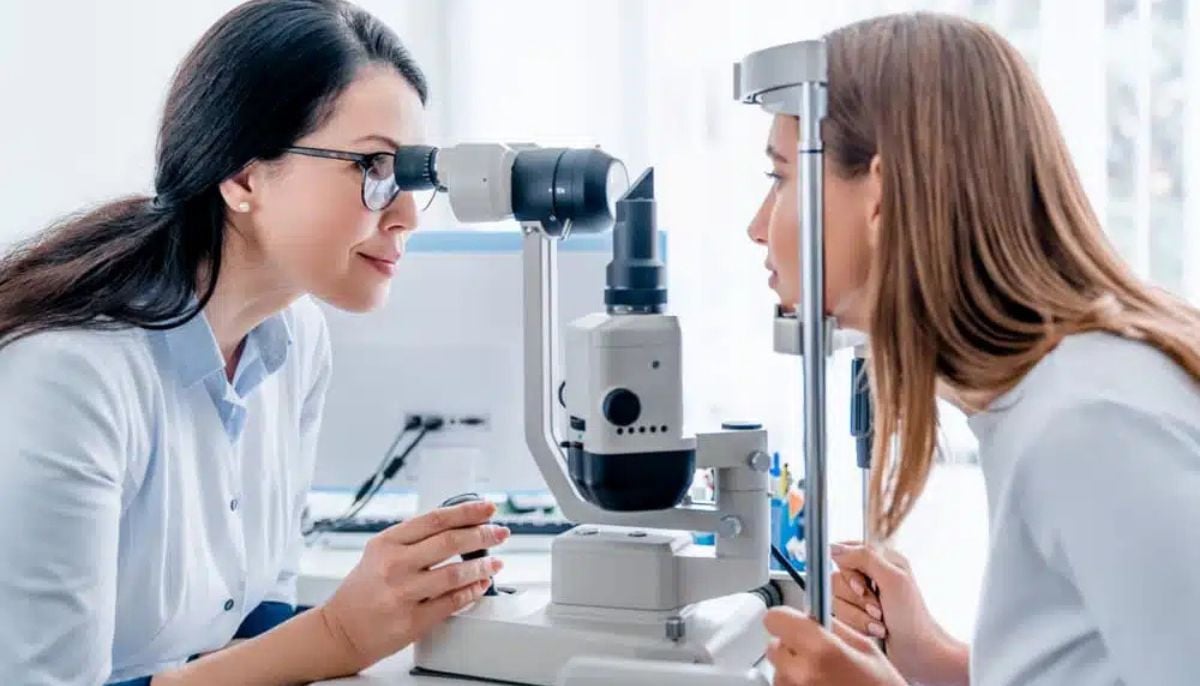
The doctor cautioned against relying on optical shops for eye health checks, explaining that while such counters can accurately test spectacle power, detecting conditions like glaucoma or diabetic retinopathy requires dilation and specialist equipment unavailable at most opticians.
Self-medicating with over-the-counter eye drops was flagged as another common mistake. Dr Jaiswal said frequent use of redness-reducing drops can cause rebound redness, while unsupervised steroid drops may gradually raise eye pressure without the user noticing.
Screen habits and outdated prescriptions
Screen use remains a significant factor in eye strain, though the doctor noted that few people adjust their habits despite being aware of the risks, with many failing to follow the 20-20-20 rule of looking at something 20 feet away every 20 minutes.
She also pointed to the risks of wearing outdated prescription glasses, which force the eyes to work harder throughout the day, and warned against sleeping in contact lenses, even occasionally, due to a significantly increased risk of corneal infection.
The case for regular check-ups
Dr Jaiswal's key warnings included:
- Delaying treatment allows conditions like glaucoma to progress unnoticed
- Optical shop tests cannot detect serious underlying eye disease
- Unsupervised eye drops may raise pressure without visible symptoms
- Outdated glasses prescriptions can cause ongoing strain and headaches
- Sleeping in contact lenses raises infection risk, even occasionally
- Skipping sunglasses contributes to long-term UV-related eye damage
She stressed the importance of routine eye exams, noting that serious conditions often show no symptoms until meaningful vision loss has already occurred. She also urged people not to overlook UV protection, warning that unprotected sun exposure contributes to cataracts and other long-term eye damage over time.
Note: This article is based on user-generated content from social media, and the claims have not been independently verified. It is for informational purposes only and is not a substitute for professional medical advice. Readers should consult a doctor with any questions about a medical condition.