New to Mediterranean diet? Dietitian reveals common mistakes to avoid
Learn which beginner habits can undermine the Mediterranean diet, healthier alternatives
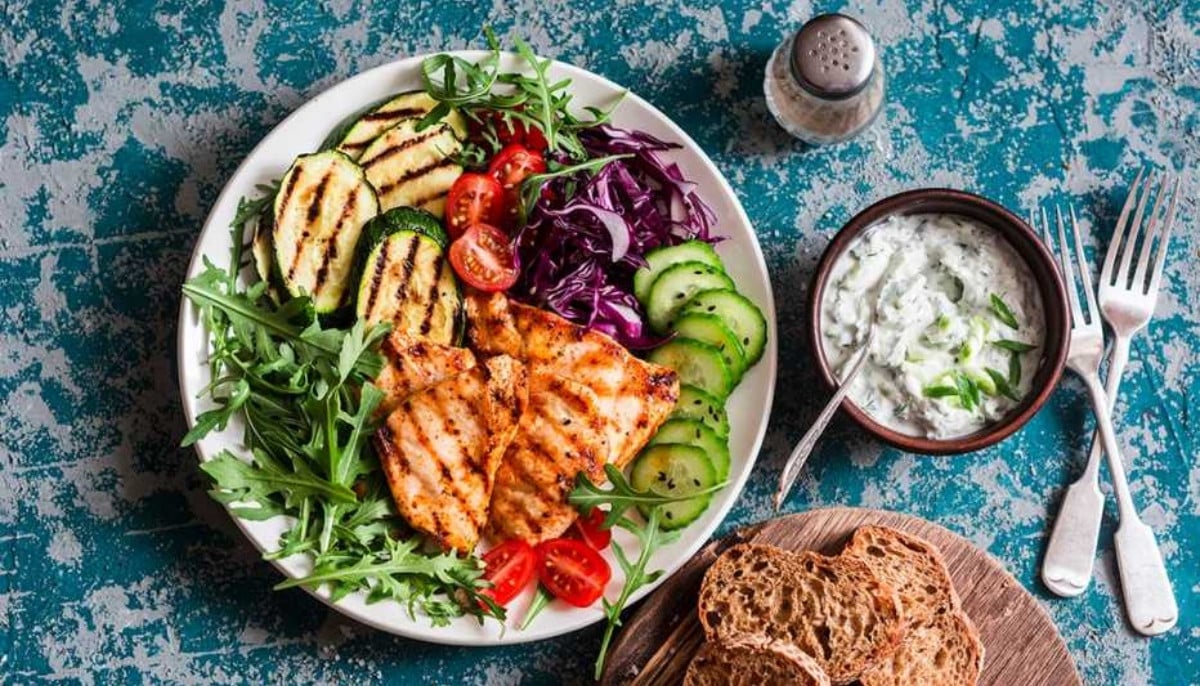
The Mediterranean diet is widely recognised for supporting heart, brain and overall health, but making the switch can be challenging if you fall into common beginner traps. Experts say focusing on whole foods, balanced meals and gradual changes can make the eating pattern easier to maintain in the long run.
Avoid relying on 'Mediterranean' processed foods
Foods marketed as “Mediterranean” are not always healthy. The label is not a regulated nutrition claim, meaning some packaged products may still contain high amounts of sodium, added sugar or unhealthy fats.
Instead of relying on marketing, check the nutrition label and ingredient list. Choose products with simple, minimally processed ingredients and little or no added sugar, sodium or trans fats.
Make vegetables the centre of your meals
Vegetables are the foundation of the Mediterranean diet, providing fibre, vitamins, minerals and beneficial plant compounds called polyphenols.
Rather than treating vegetables as a side dish, build meals around them. Beginners can start with two servings a day before gradually increasing their intake as they adapt to the diet.
Don't overdo olive oil
Olive oil is a key part of the Mediterranean diet because it contains heart-healthy unsaturated fats, vitamin E and anti-inflammatory polyphenols.
However, experts warn that more is not always better. Olive oil is calorie-dense, so use it in moderation by drizzling it over salads, vegetables or whole grains, or replacing butter and other saturated fats with it.
Don't eliminate carbohydrates
Unlike many restrictive diets, the Mediterranean diet includes complex carbohydrates from whole grains.
Foods such as whole-wheat bread, brown rice, oats, barley and quinoa provide fibre and essential nutrients that support overall health. Limiting refined grains while keeping whole grains in your diet is the recommended approach.
Get enough protein
Although the Mediterranean diet limits red and processed meat, it still provides plenty of protein through other sources.
Beans, lentils, nuts, seeds, fish, poultry, eggs and fermented dairy products all contribute to healthy protein intake. Experts recommend eating fish and seafood at least two to three times a week for both protein and omega-3 fatty acids.
Don't treat it like a restrictive diet
One of the biggest misconceptions is believing the Mediterranean diet requires perfection.
Instead, it is considered a lifestyle focused on balanced meals, physical activity and enjoying food with others. Occasional treats are still part of the approach, with consistency being more important than strict rules.
Tips for an easier transition
Dietitians recommend making gradual, sustainable changes rather than overhauling your eating habits overnight. Helpful strategies include:
- Choose whole or minimally processed foods.
- Build meals around vegetables.
- Swap refined grains for whole grains.
- Add beans and legumes to meals.
- Replace butter with olive oil.
- Eat fish two to three times a week.
- Include nuts and seeds in moderation.
- Plan meals ahead.
- Focus on long-term consistency instead of perfection.