Satya Nadella warns AI users risk exposing valuable business data
Microsoft CEO urges firms to retain control of AI prompts and knowledge
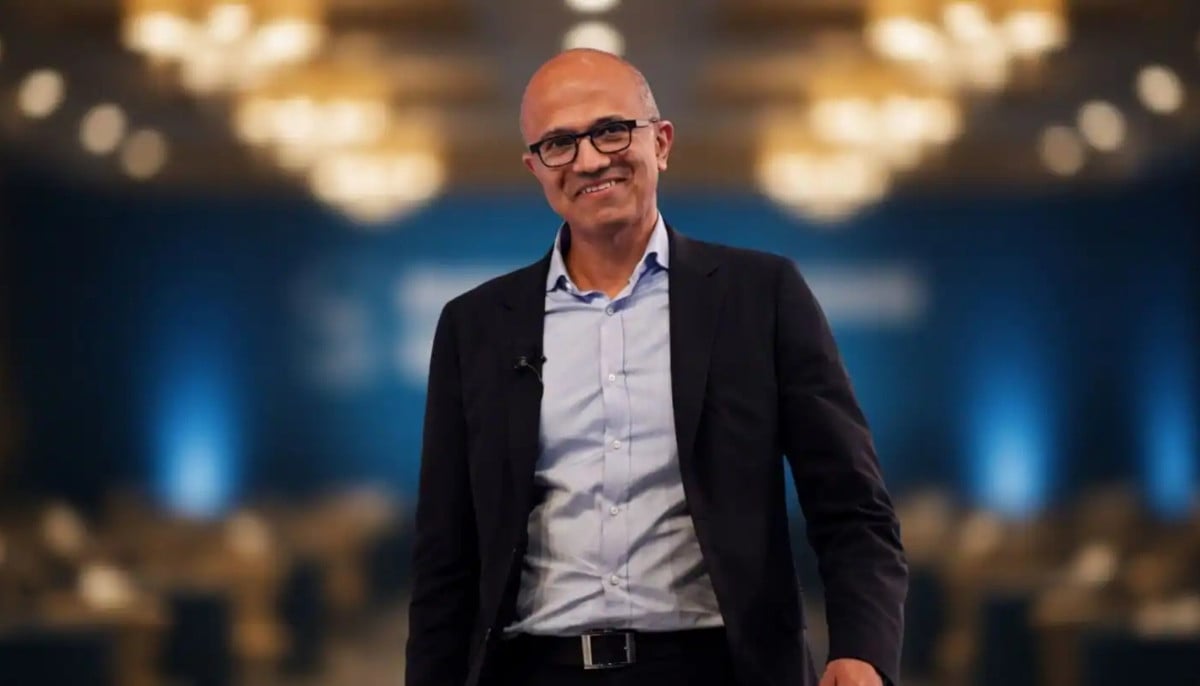
Microsoft CEO Satya Nadella warned businesses that relying on proprietary artificial intelligence (AI) models could expose sensitive company knowledge, arguing that organisations should retain ownership of the data they generate when using AI tools.
Nadella warns firms are 'paying twice' for AI
In a blog post published on Sunday, Nadella said companies not only pay AI providers for access to their models but also hand over valuable proprietary information through prompts, corrections and feedback.
According to Nadella, the more businesses rely on AI to perform specialised tasks, the more institutional knowledge they inadvertently reveal to model providers.
Customer data could become competitive advantage
Nadella argued that AI systems learn from user interactions, including prompts, tools and corrections, allowing model developers to build a deeper understanding of how businesses operate.
He suggested this type of information represents proprietary know-how that competitors would struggle to obtain through conventional means.
Microsoft CEO calls for greater data ownership
To address the issue, Nadella urged organisations to retain ownership of their AI-generated data by building proprietary learning environments and orchestration layers that allow them to switch between different AI models instead of depending on a single provider.
He also questioned restrictions on AI model distillation, arguing that if model developers can train systems using publicly available data, enterprises should similarly be able to study and learn from AI model outputs.
Open-source AI adoption continues to grow
Nadella's comments come as more enterprises explore open-source AI models that can run on their own infrastructure, giving them greater control over data, costs and security.
Industry executives told TechCrunch that businesses are increasingly moving away from proprietary AI models after initial experimentation, opting instead for open-source alternatives that offer greater flexibility while meeting most enterprise needs.
The shift has also been reflected in growing usage of open-source AI models on platforms that help organisations manage multiple AI systems.