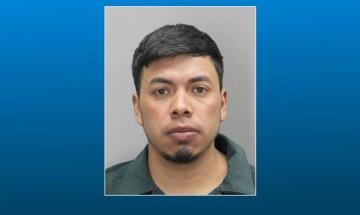
DNA evidence names suspect in 31-year-old Springfield murder
Suspect died in 2013 before charges could be filed

Celestina Perez's murder is no longer an unsolved mystery after modern DNA testing identified the man authorities say killed the 24-year-old mother of four in Springfield, Massachusetts, more than 31 years after her death. The breakthrough brought long-awaited answers to Perez's family, although the suspect died more than a decade ago and cannot be prosecuted.
Hampden District Attorney Anthony Gulluni announced on Tuesday that investigators identified Joseph James Ceravolo Jr. as the person responsible for Perez's killing. Ceravolo died of natural causes in 2013, but Gulluni said the evidence establishes that he would have faced a murder charge if he were still alive.
DNA evidence reopened cold case
Perez was found dead on 2 June 1995 after two men discovered her body in a ravine at Gurdon Bill Park. Investigators determined that a violent struggle began near the top of the ravine before ending where her body was found. An autopsy concluded she died from manual strangulation and blunt-force trauma to the head, and her death was ruled a homicide.
Despite interviewing Perez's relatives, canvassing the neighbourhood and following numerous leads, detectives were unable to identify a suspect at the time. The case remained unsolved until the Hampden District Attorney's Office Unresolved and Unidentified Case Investigation Unit reopened the investigation using advances in forensic science.
Investigators re-examined blood evidence preserved on Perez's clothing and developed a male DNA profile that matched Ceravolo. A second independent laboratory confirmed the result, while detectives established that Ceravolo lived within walking distance of the park in 1995 and had a documented history of assaultive behaviour.
Family receives long-awaited answers
Before announcing the breakthrough publicly, investigators met privately with Perez's family. In a statement, her nephew, Jose Reyes, said the family had spent more than three decades living with unanswered questions but never gave up hope that the truth would emerge.
Gulluni acknowledged that Ceravolo's death means there can be no criminal prosecution, but said investigators had an ethical obligation to thoroughly verify the evidence before identifying him. He added that although nothing can undo the family's loss, the findings finally provide an answer and mean Perez's murder is "no longer unresolved."
The district attorney said the case highlights why investigators continue pursuing cold cases, adding that Perez "was loved" and that "her life mattered."