Plastic surgeon details structured hair loss assessment to prevent balding
New hair loss assessment model evaluates biological markers to protect hair volume early
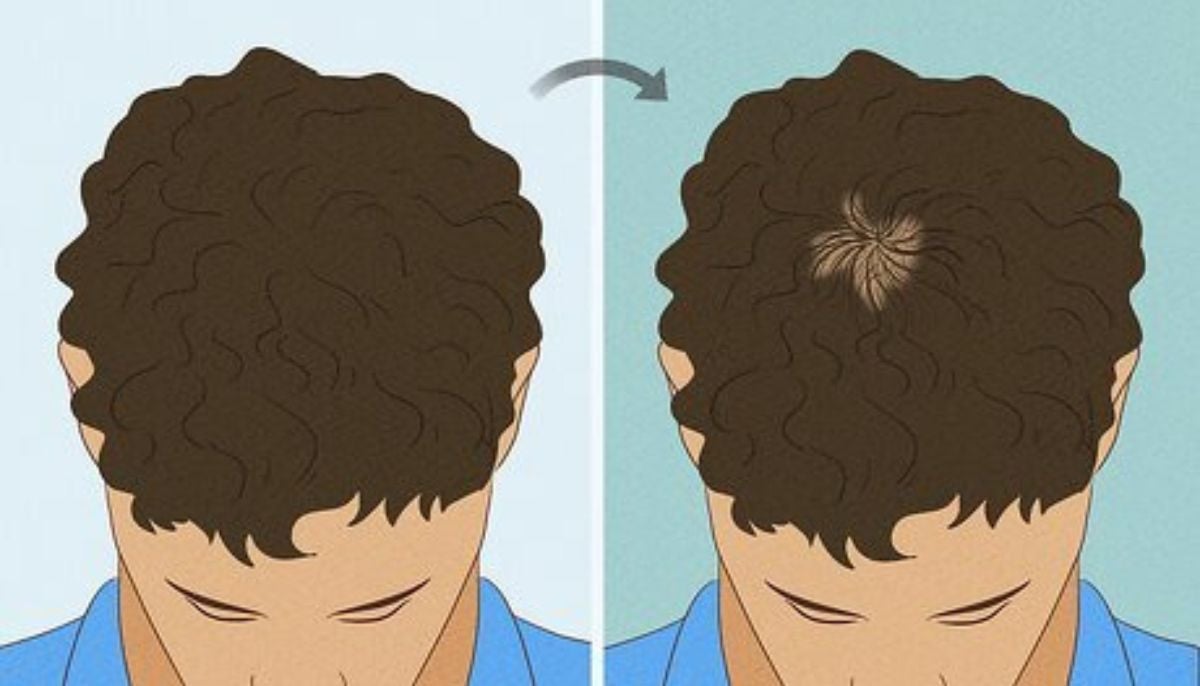
Plastic surgeon and clinician-scientist Dr Debraj Shome introduced a new approach to early hair loss assessment aimed at identifying hair follicle damage long before visible thinning appears on the scalp. Speaking on the critical limitations of contemporary hair medicine, Shome advocated shifting away from reactive visual checks toward proactive, structured risk evaluations. He explained that by the time an individual spots a wider part or a receding hairline in the mirror, the underlying biology of the hair follicle has already been deteriorating for months or years.
HT Lifestyle reported that Shome recommended managing hair health in the same structured manner as other chronic medical conditions. The QR678 research mentor noted that traditional observation methods fail patients because consultations occur only after noticeable hair volume is already lost. To correct this flaw, he proposed analysing deeper biological factors, including family history and genetic predisposition, progressive shedding patterns and persistent fallout, hair shaft quality and cuticle integrity, and internal influences such as hormones, nutrition, and systemic inflammation.
To make hair health measurable, Shome presented a patent-pending diagnostic framework that replaces subjective observations with standardised biological data. The protocol incorporates a 12-item hair ageing index to generate an individualised hair biology score for each patient. Based on this calculated score, the system categorises patients into distinct biological profiles, including follicular signalling decline, excessive shedding driven by telogen phase acceleration, structural shaft damage, and complex refractory changes that resist standard treatments.
Shome clarified that the structured hair loss assessment framework provides a standardised tool to evaluate hair biology over time rather than acting as a crystal ball to predict certainty. He compared the system to risk scores used in cardiology, noting that identifying early risk factors enables clinicians to deliver timely, personalised interventions before significant hair loss becomes obvious. Ultimately, Shome stated that improved understanding of follicular biology will allow the medical field to shift its focus from hair restoration to hair preservation.