8 surprising health benefits of eating cabbage every day
From supporting healthy bones to improving gut health, cabbage offers several benefits

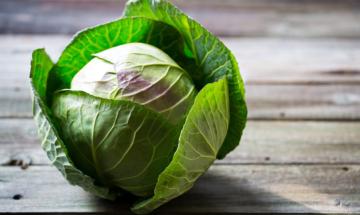
Cabbage is a nutrient-rich cruciferous vegetable that can offer several health benefits when included regularly in your diet.
Packed with fiber, vitamins C and K, potassium, and protective plant compounds, cabbage may support heart health, digestion, weight management, and overall wellness.
While cabbage is low in calories, it provides important nutrients that help the body function properly. Eating it raw or lightly cooked can help preserve many of its beneficial compounds.
It may support healthy weight management
Cabbage is a low-calorie food that can help you feel full for longer.
One cup of raw shredded cabbage contains only about 17.5 calories while providing fiber that adds bulk to meals and supports satiety.
Including filling, nutrient-dense foods like cabbage in your meals may make it easier to maintain or manage your weight.
Your blood pressure may improve
Cabbage contains potassium, a mineral that plays an important role in maintaining healthy blood pressure levels.
Potassium helps regulate fluid balance, supports nerve and muscle function, and may help counter the effects of excess sodium, which can contribute to high blood pressure.
It can help strengthen bones
Cabbage is a good source of vitamin K, a nutrient essential for bone health and normal blood clotting.
One cup of raw cabbage provides a significant amount of your daily vitamin K needs. Getting enough vitamin K may help maintain strong bones and support overall skeletal health.
It may benefit heart health
Regularly eating cabbage may help support cardiovascular health. The vegetable contains fiber and antioxidant compounds that may help reduce inflammation and support healthy cholesterol levels.
Research on cruciferous vegetables has also linked higher intake with lower risks of certain heart-related concerns, though more studies are needed to understand the full effects.
It may reduce inflammation
Cabbage contains antioxidants called isothiocyanates, which are plant compounds that may help protect cells from damage.
Chronic inflammation has been linked to several health conditions, including heart disease, diabetes, arthritis, and some cancers. Adding antioxidant-rich vegetables like cabbage to your diet may help support the body’s natural defenses.
It boosts vitamin C intake
Cabbage is a good source of vitamin C, an antioxidant that supports immune function and helps the body produce collagen.
Vitamin C also helps with wound healing and improves the absorption of iron from plant-based foods.
Your digestion may improve
The fiber in cabbage supports a healthy digestive system by adding bulk to stool and helping prevent constipation.
Fiber-rich foods can also support gut health, help regulate blood sugar levels, and contribute to maintaining healthy cholesterol levels.
However, eating too much cabbage too quickly may cause bloating, gas, or stomach discomfort, so it is best to increase intake gradually.
It may provide protective compounds against cancer
Cabbage contains glucosinolates, sulfur-containing compounds found in cruciferous vegetables. During digestion, these compounds break down into substances that researchers have studied for potential protective effects against cancer.
Eating cabbage does not guarantee cancer prevention, but including cruciferous vegetables as part of a balanced diet may contribute to overall health.
Cabbage nutrition facts
One cup of raw shredded cabbage contains approximately:
- Calories: 17.5
- Carbohydrates: 4.1 grams
- Fiber: 1.8 grams
- Protein: 0.9 grams
- Fat: 0.1 grams
- Sodium: 12.6 milligrams
Cabbage is also rich in vitamins C and K, making it a nutrient-dense addition to meals.
Are there any risks of eating cabbage?
Cabbage is generally safe for most people, but some individuals may need to be cautious.
People taking blood-thinning medications such as warfarin should speak with a healthcare provider before making major changes to their cabbage intake because vitamin K can affect how these medications work.
Some people may also experience gas, bloating, or stomach cramps due to cabbage’s fiber content, especially when increasing intake suddenly.
Best ways to eat cabbage
To get the most nutritional benefits, avoid overcooking cabbage, as excessive heat may reduce some nutrients.
You can enjoy cabbage by:
- Adding shredded cabbage to salads or sandwiches
- Mixing it into stir-fries
- Making homemade coleslaw
- Adding it to soups or pasta dishes
- Eating raw cabbage with lemon juice and seasoning as a snack
Cabbage also comes in different varieties, including green, red, and purple. Red cabbage contains anthocyanins, plant compounds known for their antioxidant and anti-inflammatory properties.
Eating cabbage regularly can be a simple way to add more fiber, vitamins, and protective plant compounds to your diet.
From supporting digestion and heart health to helping maintain strong bones, this affordable vegetable can be a valuable part of a balanced eating pattern.