Think grapefruit is the best source of Vitamin C? These 7 foods have more
Boost your vitamin C with these surprising foods
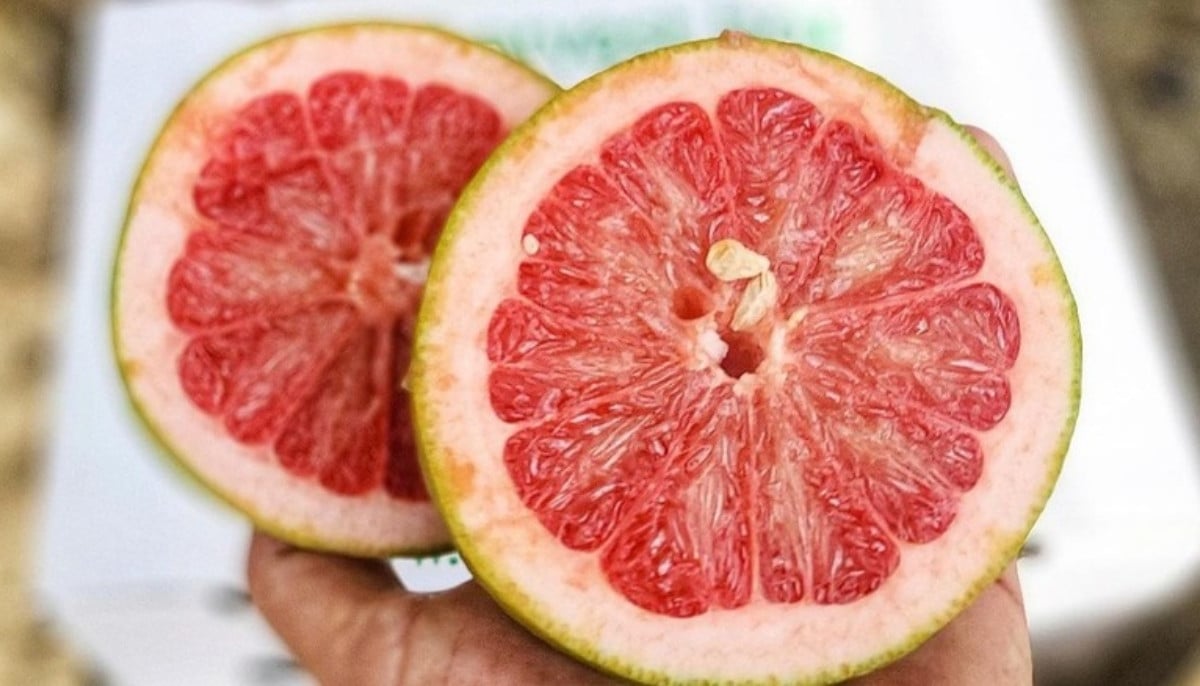
Grapefruit is widely recognized as an excellent source of vitamin C, providing about 72 milligrams per cup. However, several fruits and vegetables contain even higher amounts of this essential nutrient, helping support immunity, collagen production, wound healing, and overall health.
Acerola cherries top the list
Acerola cherries are among the richest natural sources of vitamin C, delivering around 1,650 milligrams per cup. They also contain powerful antioxidants, including anthocyanins and flavonoids, which may help reduce inflammation and protect against chronic diseases.
Rose hips are packed with antioxidants
Rose hips provide approximately 541 milligrams of vitamin C per cup. These edible seed pods are commonly used in teas, jams, and syrups and also contain carotenoids and polyphenols that may support healthy aging and immune function.
Guavas offer five times more vitamin C
One cup of guava contains about 376 milligrams of vitamin C—roughly five times the amount found in grapefruit. The tropical fruit is also rich in fiber, potassium, magnesium, and vitamin A, making it a nutrient-dense addition to a healthy diet.
Black currants are nutrient powerhouses
Black currants deliver around 203 milligrams of vitamin C per cup. Their deep purple color comes from anthocyanins, antioxidants that may help protect cells from damage while supporting overall health.
Red bell peppers beat most fruits
Red bell peppers contain approximately 191 milligrams of vitamin C per cup. They also provide vitamin A, folate, potassium, and iron, making them an excellent choice for supporting immune function, eye health, and iron absorption.
Broccoli provides vitamin C and fiber
One cup of broccoli contains about 81 milligrams of vitamin C—slightly more than grapefruit. The cruciferous vegetable also supplies fiber, vitamin K, and antioxidants that support heart, digestive, and bone health.
Brussels sprouts round out the list
Brussels sprouts offer nearly 75 milligrams of vitamin C per cup while also providing more than a day's recommended intake of vitamin K. They contain sulfur compounds that have been studied for their potential anti-inflammatory and anticancer properties.
Why vitamin C matters
Vitamin C is an essential nutrient that the body cannot produce or store, making regular dietary intake important. It helps support immune function, promotes collagen production, improves iron absorption, aids wound healing, and acts as an antioxidant that protects cells from damage.
For the highest vitamin C content, experts recommend eating fruits and vegetables raw whenever possible, as prolonged cooking and storage can reduce vitamin C levels.
Note to readers: This article is for informational purposes only and not a substitute for professional medical advice. It is based on user-generated content from social media, and the claims have not been independently verified.