Doctor explains five lesser-known physical signs of menopause
Menopause typically occurs around 52 years of age when the ovaries stop producing hormones
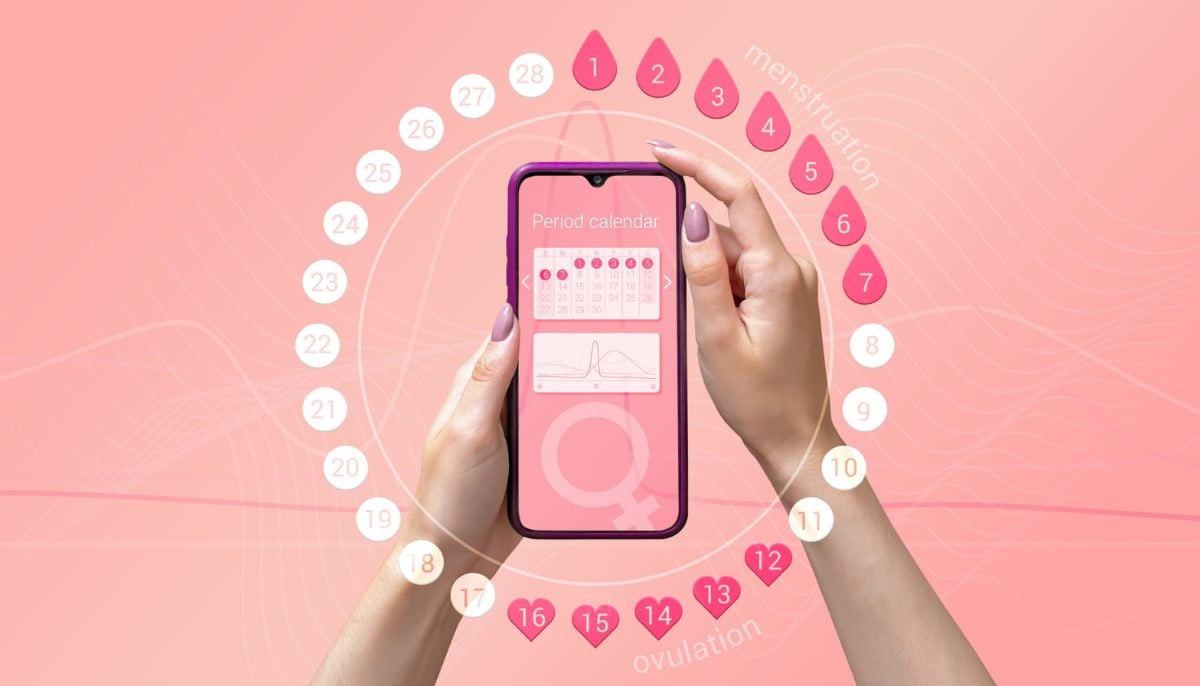
Menopause represents a natural stage of ageing that occurs when an individual completes 12 consecutive months without menstruating, according to the Cleveland Clinic website. The transition typically happens around 52 years of age when the ovaries cease producing reproductive hormones, triggering various physical shifts.
In an Instagram video shared on July 25, 2026, medical expert Dr Kunal Sood outlined five subtle symptoms that indicate the onset of menopause. Dr Sood explained that while these changes can confuse individuals or go overlooked, people should not automatically dismiss them purely as hormonal fluctuations.
- The first symptom involves intermittent heart palpitations. Dr Sood noted that palpitations are common and often link to autonomic changes, hot flashes, poor sleep, stress, and anxiety. While many episodes remain benign, new palpitations require proper evaluation rather than immediate dismissal.
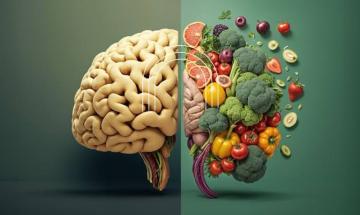
- The second indicator includes brain fog or concentration difficulties at work. Estrogen fluctuations, poor sleep, stress, and vasomotor symptoms can contribute to reduced focus, slower word retrieval, and increased effort during multitasking. Dr Sood emphasised that these subtle changes are usually temporary rather than signs of dementia.
- Thirdly, individuals may experience sudden anxiety episodes without a clear stressor. Hormonal shifts during menopause affect brain systems responsible for emotional regulation, while hot flashes and sleep disruptions can trigger panic-like feelings in people without an anxiety history.
- The fourth sign consists of new morning joint stiffness. Declining estrogen levels during midlife affect cartilage, muscles, tendons, and connective tissue, causing joint aches even without clear evidence of osteoarthritis.
- Finally, waking up at 3:00 am and struggling to fall back asleep serves as a key symptom. Nighttime awakenings occur frequently due to night sweats, hot flashes, and fragmented sleep patterns. Dr Sood concluded that when several of these symptoms appear together alongside changes in menstrual timing, menopause becomes a likely explanation.
Note: This article is based on user-generated content from social media, and the claims have not been independently verified. It is for informational purposes only and is not a substitute for professional medical advice. Readers should consult a doctor with any questions about a medical condition.