Home / Technology
Medical team performs world-first robotic pancreatic surgery on one-month-old baby
Little Inaya was diagnosed with a focal lesion the size of a pea before undergoing robotics
Inaya was just two weeks old when she was diagnosed with Congenital Hyperinsulinism (HI), a rare condition where the pancreas produces excessive insulin, leading to dangerously low blood sugar.
Initially admitted to her birth hospital, the infant suffered repeated hypoglycemia attacks that proved resistant to high concentrations of intravenous glucose.
Dr Kavitha Bhat, a consultant in paediatric endocrinology at Manipal Hospital Whitefield, explained the urgency: “In newborns, the brain depends almost entirely on sugar for energy. Repeated low blood sugar can cause permanent damage affecting learning, movement, and development.”
Genetic testing and an 18F-DOPA PET/CT scan eventually located a 0.5 cm lesion on Inaya’s pancreas. While traditional open surgery posed a significant risk of removing healthy tissue—potentially leading to future diabetes—the medical team opted for a world-first robotic-assisted approach.
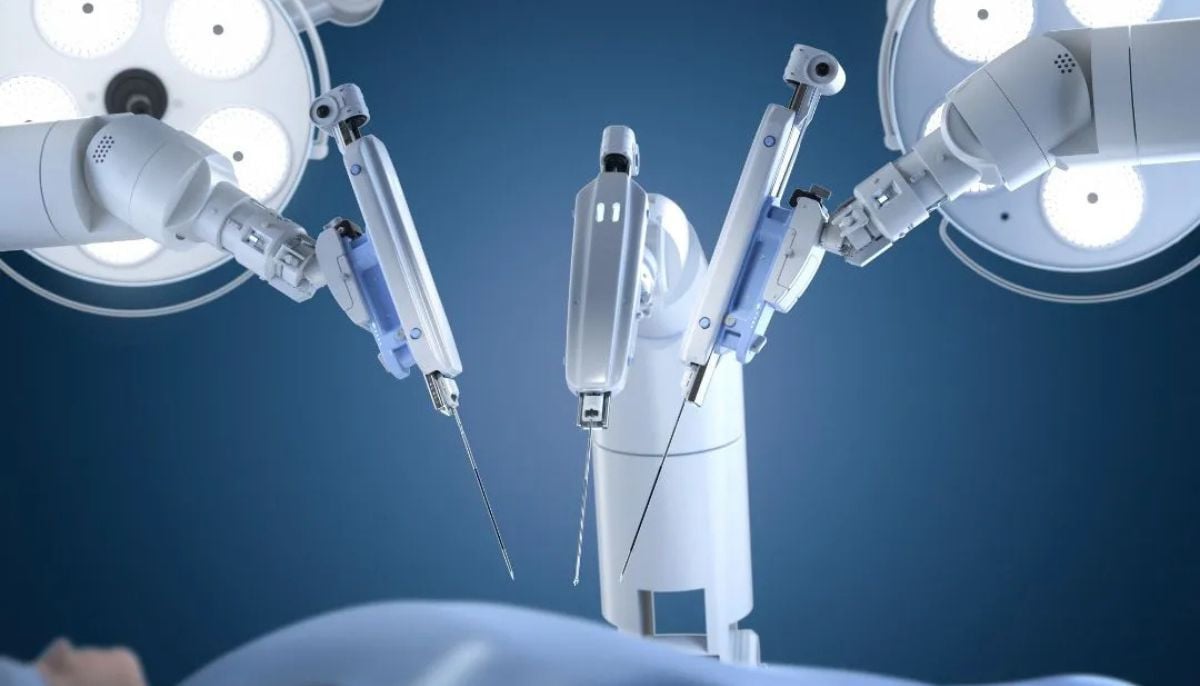
Led by Dr Manjunath Haridas and Dr Arvind Sabharwal, the specialists used high-definition robotic optics to remove the tiny lesion.
Dr Haridas noted the significance of the achievement, stating: “There are very few reports of robotic pancreatic surgery in infants, and none in a one-month-old child. This is the first reported case worldwide.”
The precision of the robot allowed the team to preserve the rest of the pancreas with no blood loss. Inaya’s blood sugar stabilised immediately following the procedure, and she was discharged after nine days of monitoring in the NICU.
This landmark case demonstrates how advanced technology can provide curative solutions for the smallest patients. Following her recovery, Inaya is expected to lead a healthy life without the need for long-term medication.