Home / Technology
Anthropic experiences its own innovation: Report
Anthropic swiftly responded with copyright takedown notice targeted at GitHub repository hosting it
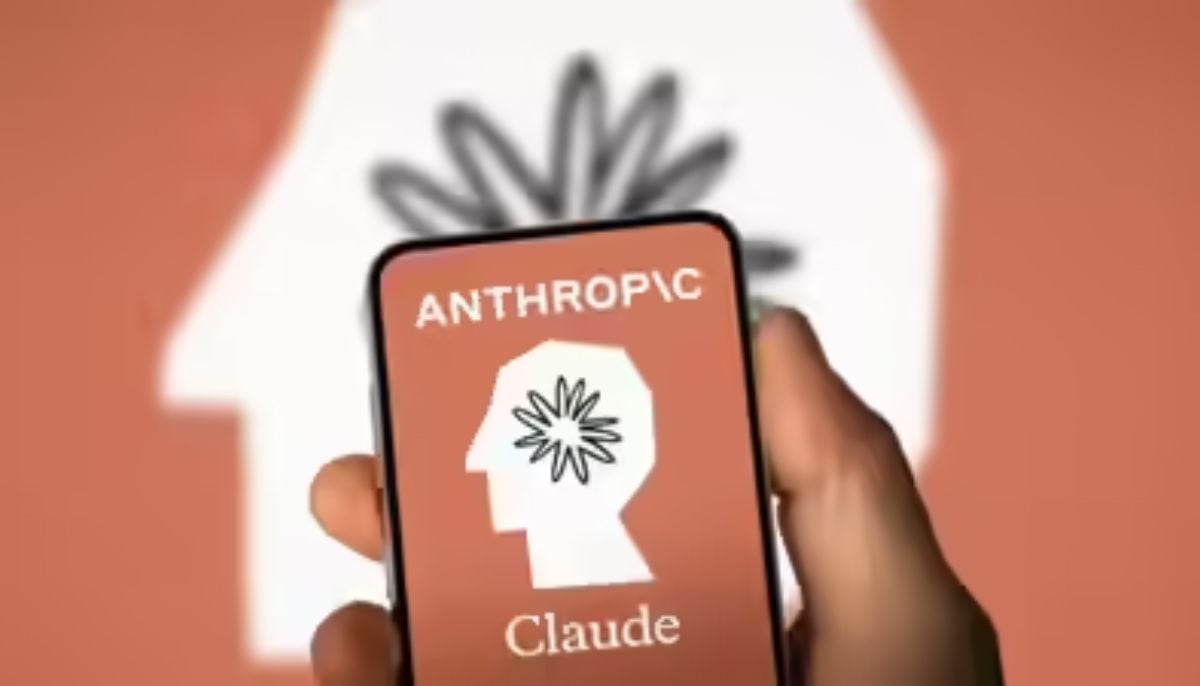
A portion of the source code for Anthropic's acclaimed AI tool, Claude Code, surfaced on GitHub this Tuesday, sparking a frenzy.
Developers from various fields quickly absorbed the information, aiming to glean insights and possibly enhance their own innovations.
If tapping into unauthorised data for boosting expertise seems familiar, that’s because it mirrors big AI giants' practices, who have been exploring these routes for several years to train their complex models — Anthropic being no exception.
Caught in a twist of irony, to stop engineers from accessing the leaked data, Anthropic swiftly responded with a copyright takedown notice targeted at the GitHub repository hosting it.
"We initiated a DMCA removal move against a repository that was housing the leaked Claude Code source and its duplicates," stated an Anthropic representative, referencing the Digital Millennium Copyright Act.
Firms like Anthropic, OpenAI, and Google have all been targets of legal action due to their use of copyrighted works — including books, articles, scientific papers, and other digital content — without seeking permission. Consequently, writers, creators, and publishers have invoked copyright laws to demand accountability and often seek payment.
In September, a judicial decision mandated Anthropic to compensate to the tune of $1.5 billion to writers and publishers in a collective lawsuit led by authors and publishers — including key plaintiffs Andrea Bartz, Charles Graeber, and Kirk Wallace Johnson — over claims of unauthorized book use and inaccessible libraries to train Claude's model.
Last June, Reddit initiated legal action against Anthropic for harvesting substantial user-generated content to train its models lacking approval or financial consideration for users.
Additionally, Universal Music Group, Concord, and ABKCO recently moved forward with a lawsuit against Anthropic for the unauthorised acquisition of more than 20,000 protected songs, also aimed at training its models.
In a turn of events, Anthropic is now invoking copyright protections to shield its own creations. "We're introducing protocols to avert such incidents in the future," conveyed a spokesperson for Anthropic.
Thankfully for the company, the aftermath of the leak might not be as severe as initially feared.
Paul Price, a cybersecurity expert and the head of the ethical hacking enterprise Code Wall — known for identifying vulnerabilities in McKinsey's internal chatbot, Lilli — remarked that the Anthropic leak hadn't revealed anything crucial.
"This is more of an embarrassment than a catastrophe. Most of the significant elements remain within their internal source structures and weren’t leaked," he relayed to Business Insider.
He mentioned that the company mistakenly disclosed its "harness" — a specialized software structure generally designed for linking extensive language models to the larger context in which they function.
"Claude Code stands out as one of the top agent harness designs available, and this breach gives insight into how they tackle the challenging issues," Price mentioned, suggesting that it might also offer valuable insights for their competitors.
The incident also brought to light a contradiction inherent in the AI enthusiasm era: the identical systems that facilitate rapid product development also make it easy for information — confidential or otherwise — to leak, replicate, and disseminate without delay.