Home / Technology
OpenAI proposes robot taxes, public wealth fund, and 4-day workweek for AI disruption
Sam Altman has also shown interest in Universal Basic Income
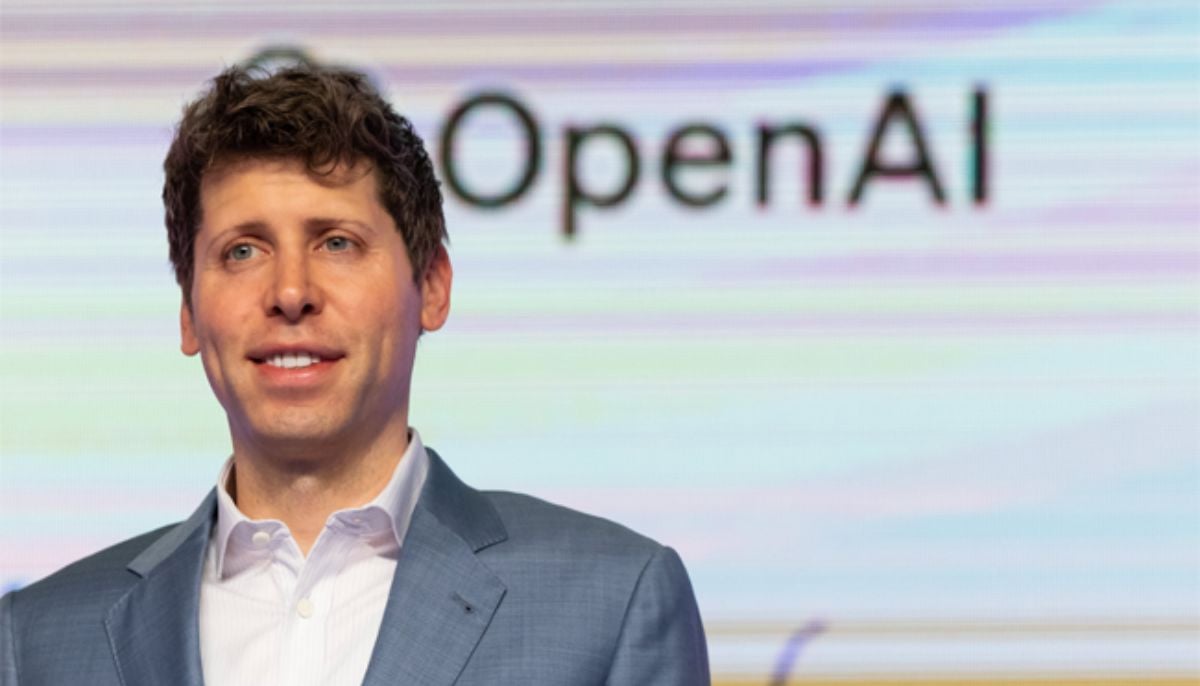
OpenAI is proposing significant strategies to address AI's impact on disruption.
In a new collection of policy suggestions published on Monday, OpenAI indicated that swift AI development would necessitate major economic and political modifications, such as a public wealth fund, taxes on automated labor, and potentially a four-day workweek.
"We are entering an era of superintelligence: AI systems that surpass the capabilities of the smartest humans, even with AI assistance. The exact path of this transition is unknown. At OpenAI, we believe it needs to be guided by a democratic process that empowers people to shape the AI future they envision," the company stated on Monday.
OpenAI noted that their policy paper presented a set of "preliminary concepts" to counter the risk of "jobs and entire sectors being affected" by AI implementation.
A principal policy proposal is establishing a public wealth fund, where legislators and AI companies would collaborate to invest in long-term AI-related assets, with profits distributed directly to members of the public.
Furthermore, it suggests that the government should promote and reward companies experimenting with four-day workweeks without reducing salaries, accompanied by "benefits bonuses" linked to productivity benefits from new AI technologies.
The report also proposes updating the tax system, shifting emphasis to corporate earnings and capital gains, rather than labor income and payroll taxes that might be affected by AI-induced job losses. It also recommends levies on automated labor.
In addition, OpenAI urged for an accelerated enhancement of the US power grid, which is currently challenged by a surge in data center construction and energy demands to train increasingly potent AI models.
OpenAI's suggestions are presented as concerns rise over possible AI-driven economic disturbances and job losses.
This isn't the first time a company at the forefront of the AI wave has advocated for a transformation akin to the New Deal in response to the technology they aim to develop.
An article by Anthropic CEO Dario Amodei in 2024 suggested that AI superintelligence could render the existing global economic structure obsolete, speculating that measures beyond a "widespread Universal Basic Income" might be necessary.
OpenAI's CEO, Sam Altman, has also shown interest in Universal Basic Income, a plan to offer recurring cash payments to every adult, independently of their financial status or employment.
In May 2024, Altman proposed a new concept he named Universal Basic Compute, allowing individuals to receive AI computing power shares instead of money, which they might use, sell, or donate.