Home / Lifestyle
How to recognise female cardiac risks
Falling oestrogen levels accelerate blood pressure and cholesterol issues in women
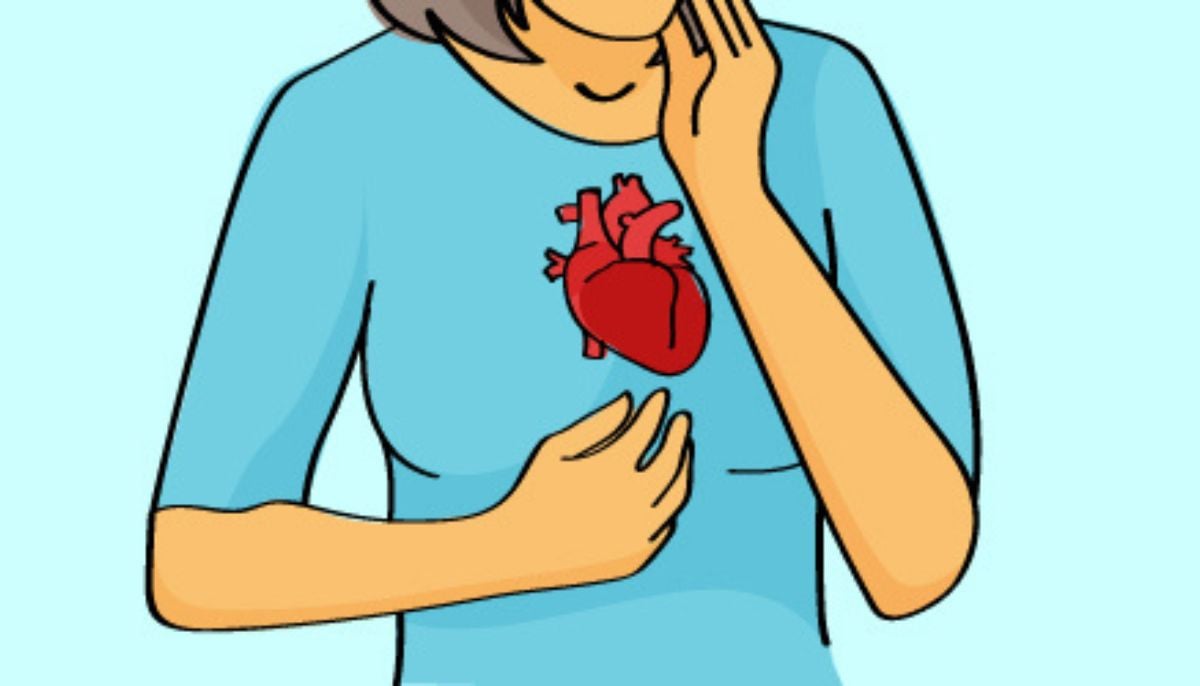
For many women, heart disease is not a sudden occurrence but a slow, silent accumulation of risk. Gaps in awareness and the tendency for symptoms to be dismissed mean that warning signs often go unnoticed.
Dr Sanjay Bhojraj, an interventional cardiologist with over 20 years of experience, shared insights on Instagram on Monday regarding these distinct cardiovascular presentations.
"Heart disease is the number one cause of death in women, not because it’s sudden, but because it’s been building for years," the cardiologist emphasises.
Why do symptoms get dismissed?
Dr Bhojraj notes that women's symptoms are frequently overlooked. By the time medical attention is sought, metabolic strain has already taken a significant toll. He explains:
"Symptoms get dismissed. What I see first isn’t a heart attack – it’s years of fatigue, chronic stress, poor sleep, weight changes, and metabolic strain. Emotional stress alone has a measurable impact on inflammation and cardiovascular risk. It adds up."
Risk spikes after menopause
Oestrogen serves as a cardioprotective hormone; however, its decline during menopause causes risk to rise sharply. Dr Bhojraj highlights how this hormonal shift impacts the body:
"Risk spikes after menopause. Once oestrogen drops, everything accelerates – blood pressure, cholesterol, vascular stiffness. So if the groundwork has been building for years, this is where risk sharply increases."
Worse outcomes for women
The cardiologist further warns that women are more likely than men to die within a year of a heart attack. This disparity is driven by slower treatment initiation and delayed diagnosis, making recovery significantly harder for female patients.
Please Note: This information is for educational purposes only and does not count as medical advice. Readers should always consult a qualified doctor regarding any questions about their health or a medical condition.