Home / Lifestyle
How to prevent childhood liver disease
Fatty liver progresses without obvious signs during its dangerous early stages
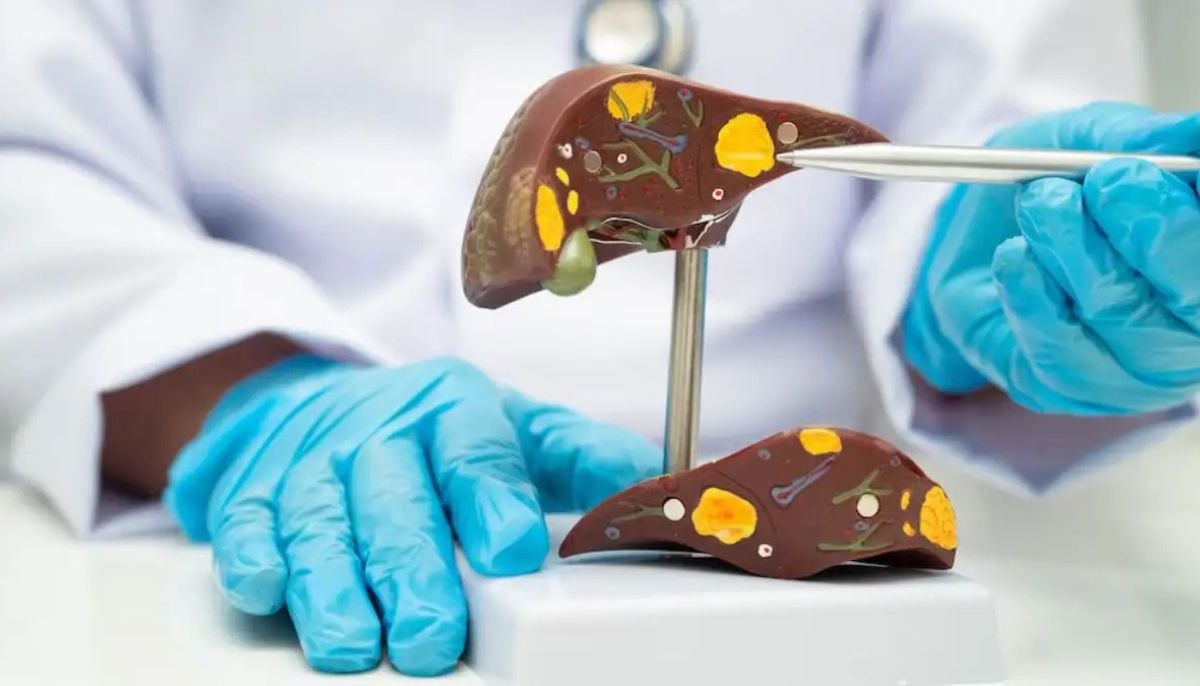
World Health Day 2026, observed on April 7, serves as a poignant reminder that health management must extend to all age groups.
While children are often perceived as naturally resilient, they are increasingly developing conditions traditionally associated with adults.
In an interview with Prof Anupam Sibal, a pediatric hepatologist at Apollo Hospitals Group, the rising prevalence of fatty liver in youth was highlighted.
"Fatty liver is increasingly being diagnosed in children, largely driven by rising rates of childhood obesity and unhealthy lifestyle patterns," the hepatologist informed.
A 2021 review reported prevalence rates of 12% in non-obese children, soaring to over 60% in those who are overweight.
Common symptoms to watch for
Early detection is vital as the condition progresses silently. Parents should monitor for:
- Persistent fatigue or low energy levels
- Mild discomfort or a feeling of heaviness in the upper right abdomen
- Unexplained weight gain or difficulty in managing weight
- Dark, velvety patches of skin around the neck or underarms (a sign of insulin resistance)
Prevention
Dr Sibal suggests that preventing fatty liver depends on establishing sustainable, healthy habits early in life. He advised the following:
- Encourage a balanced diet with adequate fruits, vegetables, and whole grains
- Limit intake of junk food, sugary beverages, and processed snacks
- Ensure at least 60 minutes of daily physical activity
- Reduce screen time and encourage outdoor play
- Focus on maintaining a healthy weight through consistent lifestyle habits
- Opt for regular health check-ups, especially for children at higher risk
Parental awareness remains the most effective tool in monitoring and safeguarding a child’s long-term health.
Please Note: This information is for educational purposes only and does not count as medical advice. Readers should always consult a qualified doctor regarding any questions about their health or a medical condition.