Home / Lifestyle
Expert explains reality behind viral claims linking people pleasing to autoimmune disease
Viral social media memes often oversimplify the connection between personality and physical health
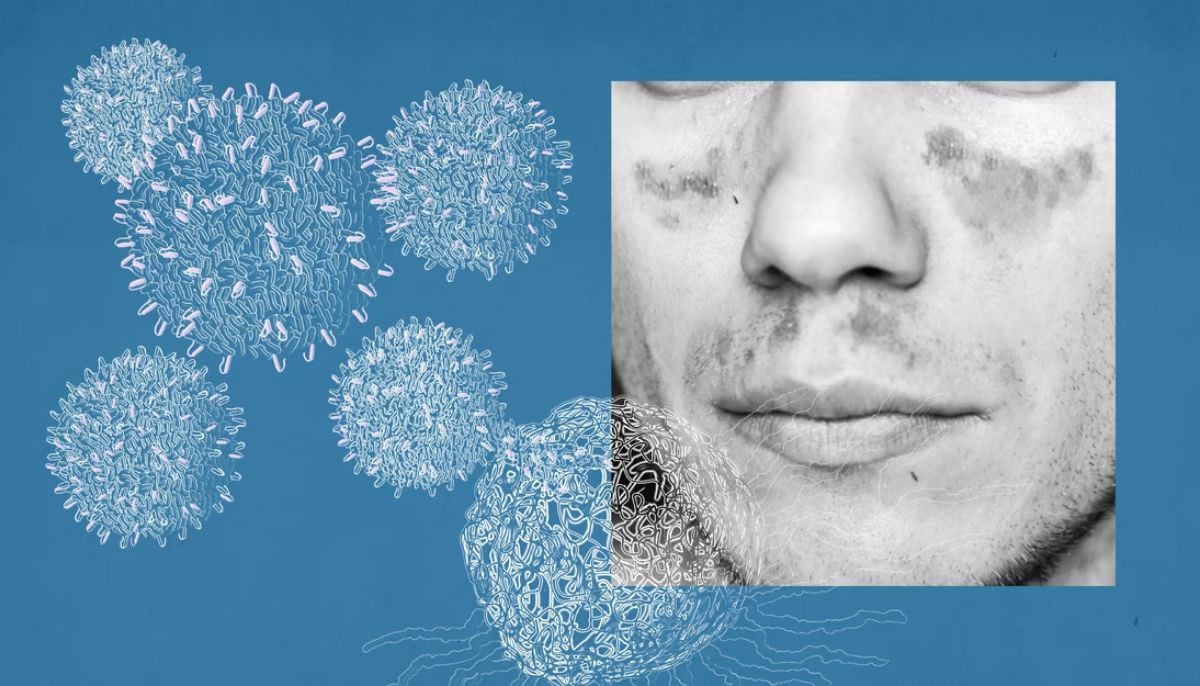
A viral internet meme is currently circulating across platforms like TikTok and Instagram, claiming that women make themselves sick by being too accommodating.
Researchers noted that while the "being a bitch" cure is scientifically unsupported, the frustration behind the trend is deeply rooted in reality.
Statistics show that four out of five people diagnosed with autoimmune diseases in the United States are women, a figure that sits at the heart of this cultural conversation.
The Science of Stress and Immunity
The meme is loosely based on clinical studies, including 2018 research linking stress-related disorders to increased autoimmune risks.
However, experts warn against the gap between correlation and personal prescription.
- Cortisol Production: Chronic psychological stress is known to elevate cortisol and systemic inflammation.
- PTSD Impact: A 2020 study reported that patients with PTSD faced a 58 per cent higher mortality rate.
- Social Factors: Unequal domestic burdens and medical misogyny often lead to the dismissal of female pain.
Beyond Personal Behaviour
While the hypothesis that continuous pleasant behaviour creates health problems is valid, the condition is far more complex than social media suggests. Autoimmune diseases involve a delicate balance of:
- Hormonal differences
- X-chromosome immune gene dosage effects
- Environmental triggers
- Genetic predispositions
"Stress is one contributing variable in a complex picture, not the controlling one," researchers noted. No peer-reviewed study currently proves that adopting an assertive persona can reverse flares.
Instead, the focus remains on addressing systemic issues, including the documented tendency for women's symptoms to be under-recognised and delayed.
Please Note: This information is for educational purposes only and does not count as professional advice. Readers should always consult a qualified doctor regarding any questions about their health or a medical condition.