Home / Lifestyle
Expert shares essential fibre cheat sheet for improved gut health outcomes
Rapidly breaking down nutrients in the colon helps strengthen the body's natural defences
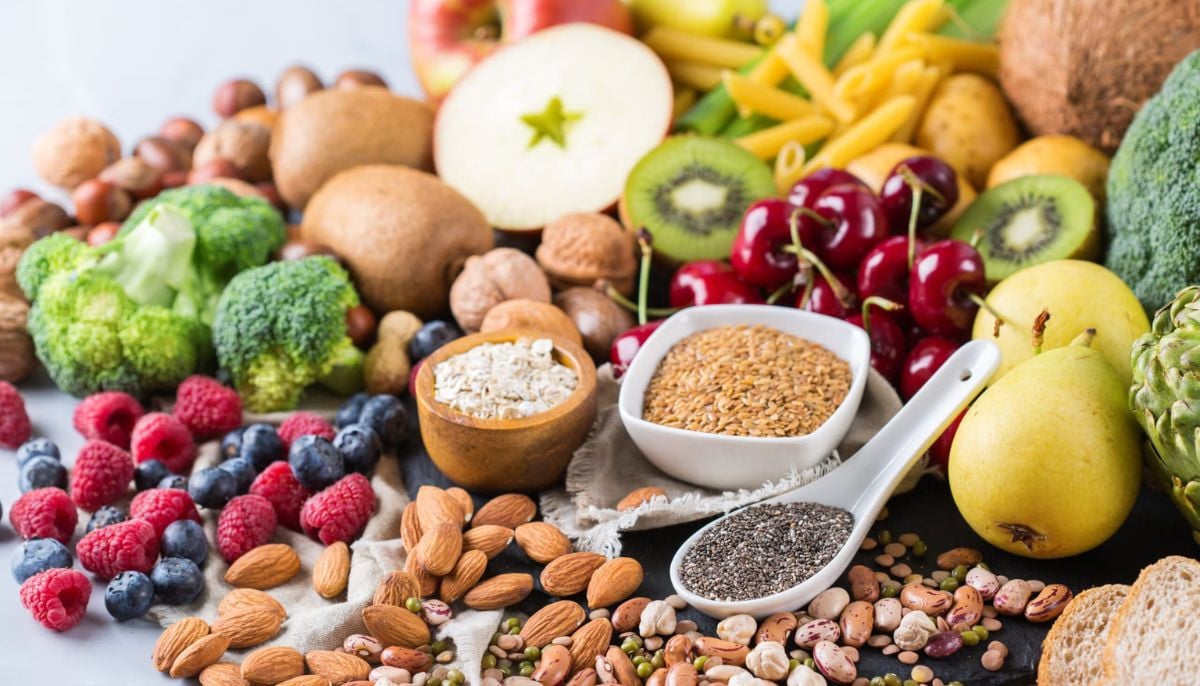
Dietary fibre is widely recognised for its ability to improve digestion, regulate blood sugar, and promote satiety.
However, it is not a one-speed mechanism that works uniformly across all varieties. UK-based expert Dr Karan Rajan, in an Instagram post, shared a comprehensive guide categorising different fibres based on their fermentation speed.
He explained, "Fibre isn’t one-speed. Some plants hit early, others take their time, feeding microbes all along the course. So digestion keeps moving, making for smoother runs from start to finish."
Fast fermenting fibre
These fibres possess low molecular mass and simple structures, allowing for rapid breakdown within six to 24 hours. They ferment in the ascending colon, producing short-chain fatty acids and reducing gut pH. Included in this category are:
- Apples
- Onions
- Garlic
- Raspberries
- Ripe bananas
- Asparagus
- Corn husk
Medium fermenting fibre
Fermented in the transverse colon, these provide balanced digestion with fewer energy crashes. They are ideal for individuals with sensitive guts or SIBO. This group includes:
- Oats
- Carrots
- Brown rice
- Guar bean
- Broccoli
Slow-fermenting fibre
Breaking down in the descending colon, these fibres offer sustained prebiotic benefits and the highest impact on metabolic health. They produce gas at a steadier rate and include:
- Cassava
- Wheat
- Corn
- Quinoa
- Chia seeds
- Beets
- Almonds
- Black beans
- Underripe bananas
"So digestion keeps moving, making for smoother runs from start to finish," the expert noted, highlighting the importance of variety.
Please Note: This information is for educational purposes only and does not count as professional advice. Readers should always consult a qualified doctor regarding any questions about their health or a medical condition.