Home / Lifestyle
Salmonella concerns trigger urgent recall of cantaloupes sold in four US states
Authorities warn the fruit may be linked to salmonella contamination
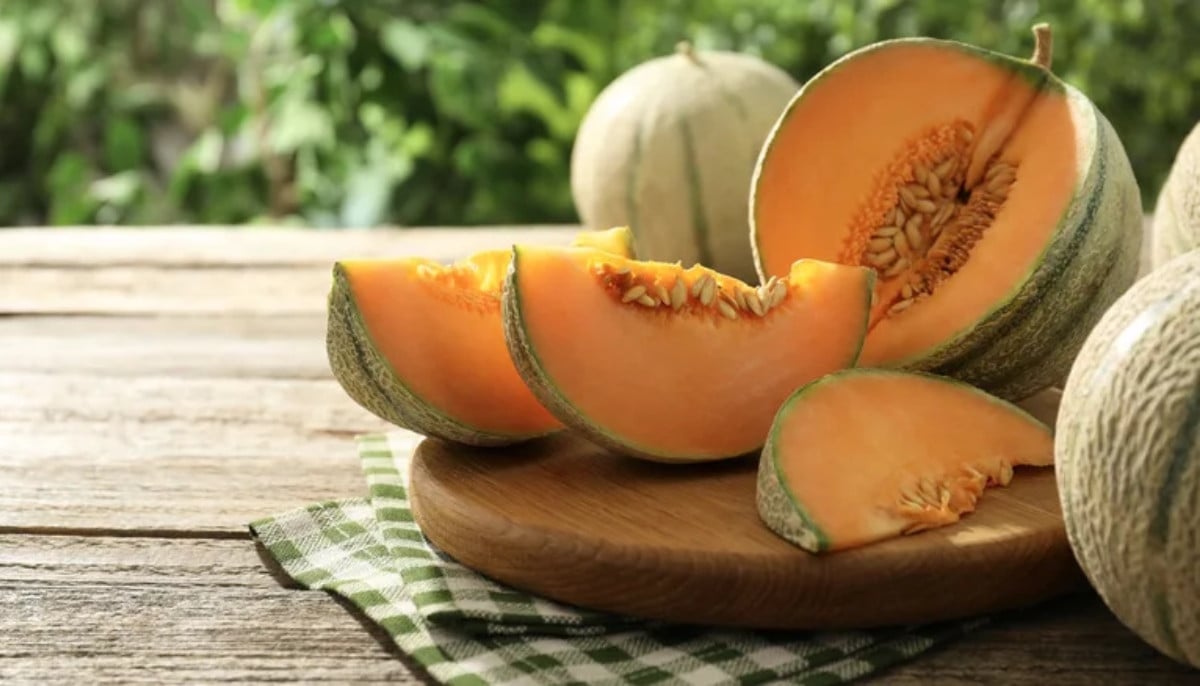
A multi-state recall involving thousands of cartons of cantaloupes has been escalated by U.S. regulators after concerns of potential salmonella contamination.
The U.S. Food and Drug Administration (FDA) has classified the recall involving fruit distributed by Ayco Farms Inc. as a Class I event, its most serious risk category, meaning there is a reasonable probability that exposure could cause serious health consequences or even death.
The affected products include fresh cantaloupes packaged under the Ayco brand, typically wrapped in food-safe plastic and shipped in corrugated cardboard cartons containing six to 12 melons each. Approximately 8,300 cartons were included in the recall.
The cantaloupes were distributed across four U.S. states, including Pennsylvania, Florida, California, and New York, according to the FDA notice.
The agency initially issued a voluntary recall in March before upgrading its classification on April 20.
A Class I designation is reserved for situations where regulators believe a product may pose a severe health risk if consumed.
Ayco Farms previously stated in an April 10 press release that the recall had been initiated as a precautionary measure in coordination with regulators, describing it as part of standard food safety protocol.
The company also said that due to the short shelf life of fresh cantaloupes, the impacted products were likely no longer on the market.
Salmonella is a bacteria commonly associated with foodborne illness, often contracted through contaminated raw or undercooked foods.
Symptoms can include diarrhea, fever, and abdominal cramps, typically appearing within hours to days after exposure.
While most healthy individuals recover without medical treatment within a week, infections can become severe in vulnerable populations and, in rare cases, may be life-threatening.
The FDA has urged continued caution as investigations into the contamination risk continue.