Home / Lifestyle
Expert advice on identifying everyday habits that quietly damage liver function
Deep abdominal fat releases inflammatory chemicals directly into the primary bloodstream
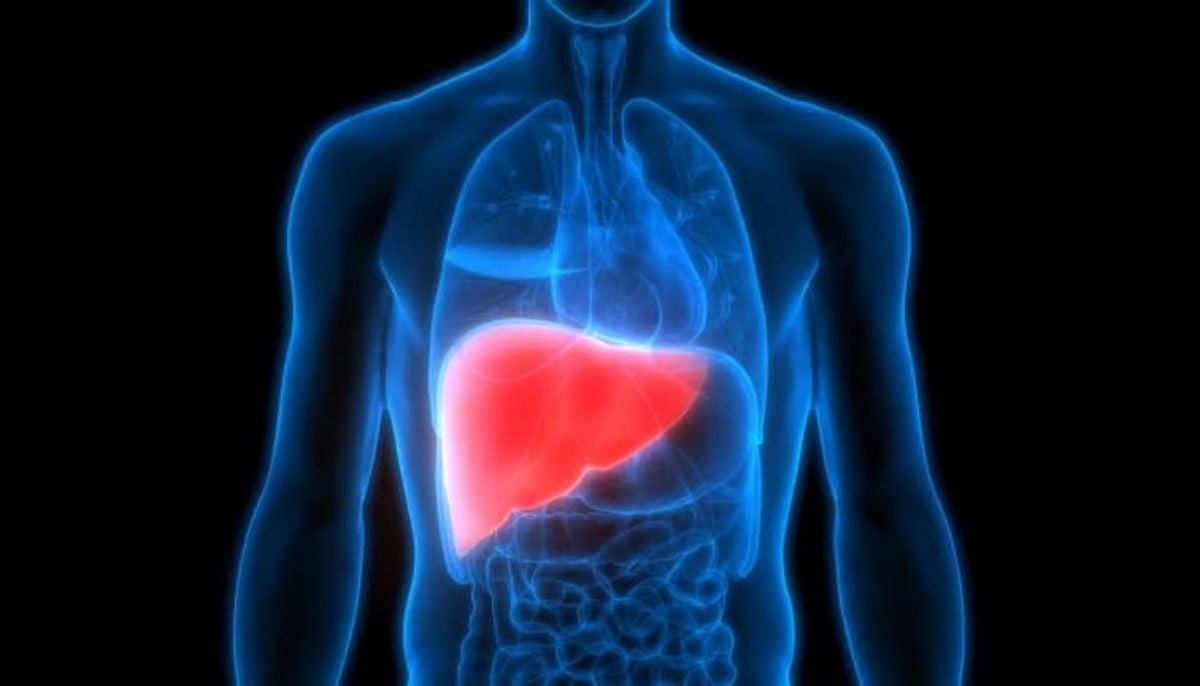
Liver health is increasingly under threat from visceral fat, which accumulates deep within the abdomen and wraps around vital organs.
Dr Kunal Sood, an anaesthesiologist and interventional pain medicine physician, highlighted on Sunday via Instagram that liver damage builds gradually through overlooked routine choices.
Unlike subcutaneous fat, visceral fat is metabolically active, releasing fatty acids that silently strain the organ.
"Liver risk depends on total exposure and pattern, not just daily use," Dr Sood explained regarding alcohol, noting that even weekend drinking contributes to fat accumulation.
Weekend alcohol still adds up
The metabolism of alcohol increases specific levels that suppress fat breakdown. Dr Sood notes:
- Alcohol metabolism increases NADH levels.
- This process favours triglyceride storage.
- It also increases oxidative stress and inflammatory signalling.
Sugary drinks drive liver fat
Liquid sugars are particularly impactful because they lack the fibre needed to slow absorption. "Fructose is largely processed in the liver and bypasses key regulatory steps, promoting de novo lipogenesis," the Expert stated.
Frequent paracetamol use stresses the liver
While standard doses are safe, repeated high intake increases risk. Dr Sood explained, "A portion is converted to NAPQI, a toxic metabolite normally neutralised by glutathione."
Ultra-processed foods promote inflammation
These calorie-dense items are linked to metabolic syndrome. According to the Expert:
- Higher intake is associated with fatty liver.
- These foods drive gut-liver axis inflammation.
Belly fat feeds liver disease
Visceral fat creates a cycle that promotes disease progression. Dr Sood emphasised, "Visceral fat releases free fatty acids directly into the portal circulation, increasing fat delivery to the liver."
Please Note: This information is for educational purposes only and does not count as professional advice. Readers should always consult a qualified doctor regarding any questions about their health or a medical condition.