Home / Technology
Marine Corps faces logistical hurdle as 40,000 new drones arrive later this year
Col Jeremie Hester highlights the danger of volatile lithium batteries in drone storage
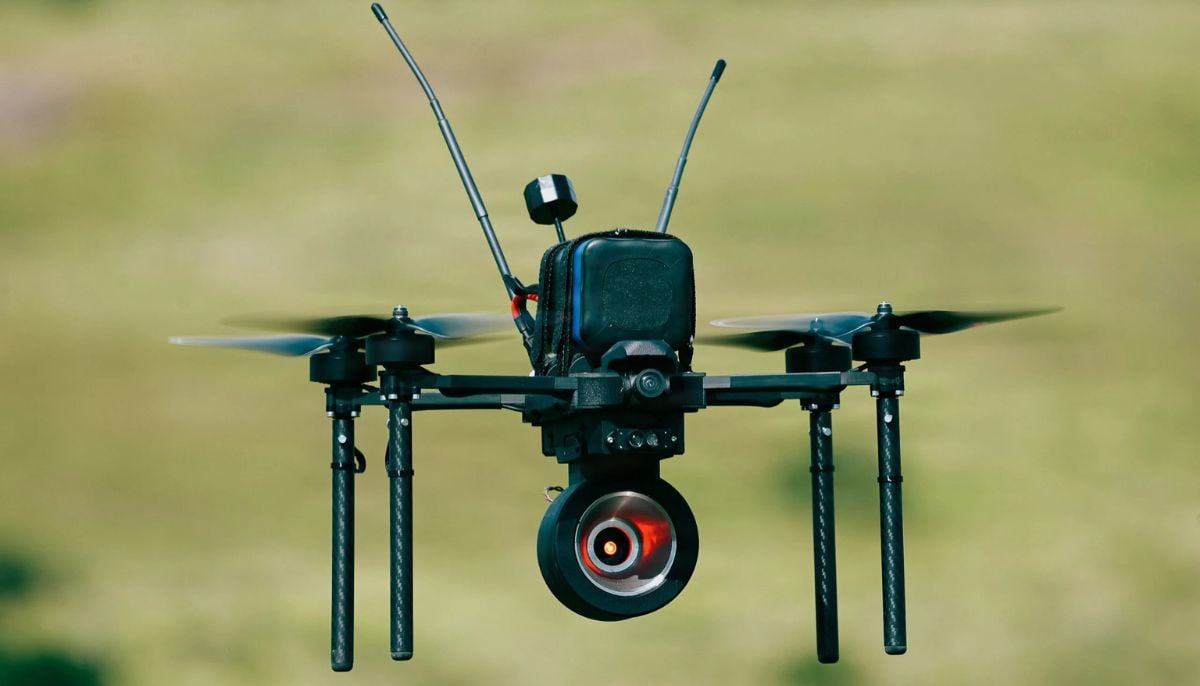
The United States Marine Corps is bracing for a significant logistical and administrative transformation as it prepares to field 40,000 additional drones later this year.
Speaking at the annual Modern Day Marine symposium in Washington, D.C., on Wednesday, Col. Jeremie "Hank" Hester, director of the Aviation Combat Element for Combat Development and Integration, emphasised that the primary challenge is not the drones themselves, but the infrastructure required to support them.
Central to this concern is the massive surge of volatile lithium batteries, which pose severe fire risks if improperly stored or exposed to moisture. "If they get wet, they catch fire... You can't put it out with water," Hester warned.
The Corps currently relies on "incidental operators"—infantry Marines who operate drones as a secondary skill—but leadership is considering formalising proficiency requirements.
Hester suggested adopting a model from the aviation branch, where operators must log specific hours to maintain their qualifications.
Furthermore, the influx of hardware includes at least six different types of small drones, such as the Neros Archer quadcopter.
This variety creates a "waveform" problem, where different systems struggle to communicate. Hester noted the service is working on a digital "Rosetta Stone" to allow a central hub to interpret commands across various manufacturers and platforms.
Beyond technical connectivity, the administrative burden of maintaining battery charges and ensuring compliance with federal electromagnetic spectrum regulations is stretching resources.
Currently, young Marines are being tasked specifically with monitoring modified shipping containers to ensure batteries remain functional and safe.
As the service seeks to integrate these tools for surveillance and resupply at far-flung outposts, the focus remains on ensuring that the behind-the-scenes prep can keep pace with the rapid technological expansion.