Home / Technology
Denmark grapples with data centre surge overwhelming power grid
Denmark is at the forefront of this discussion, as it's first in Nordics to directly address this issue
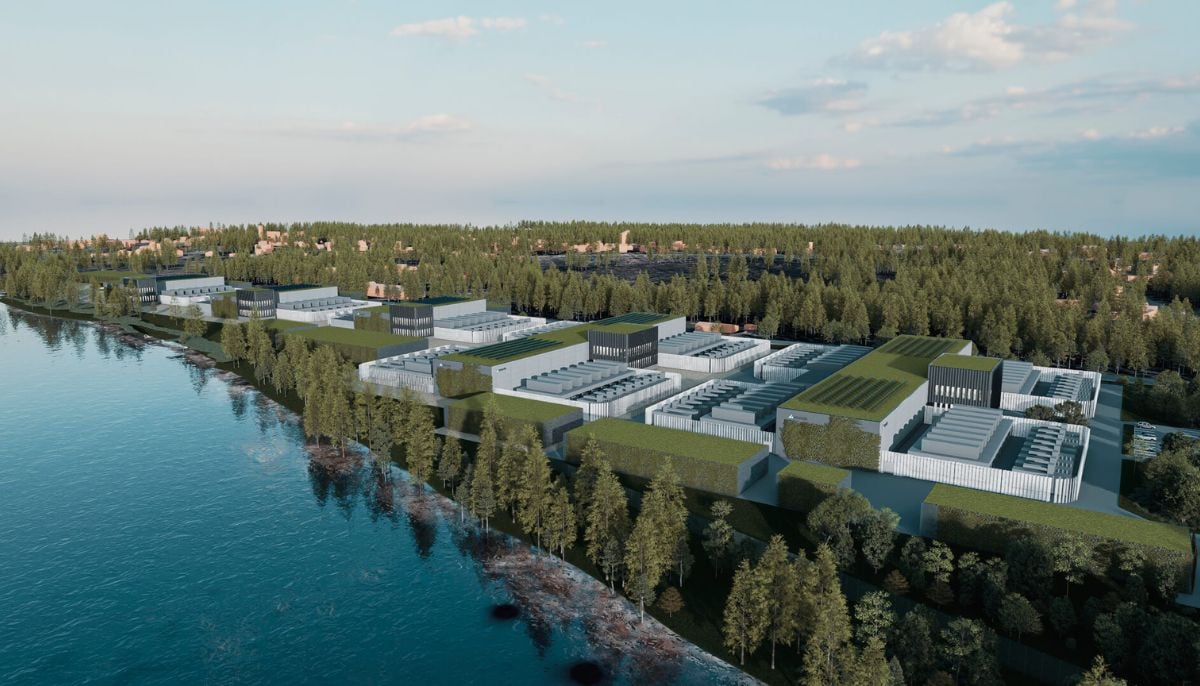
Known for being a hotspot for data center investment due to its stable climate and plentiful renewable resources, the Nordics are now contemplating limits on these high-energy facilities as energy demand soars, prompting a reevaluation.
Denmark is at the forefront of this discussion, as it's the first in the Nordics to directly address this issue, pausing new projects because a new government and an increase in grid access requests have changed the landscape.
Data centers globally are facing increasing scrutiny over their energy usage. In the US, Maine nearly enforced a freeze on data center development, and in Pennsylvania, opposition could impact current leaders in upcoming elections.
Other states like Virginia and Oklahoma are in the process of considering similar freezes.
To date, only two European countries have imposed total halts on data centers, which are the Netherlands and Ireland.
Both have since allowed some concessions under specific conditions. However, with the growth of AI contributing to a surge in electricity demand already advanced by the energy shift and digitalisation, network strains are expanding across Europe.
In March, Denmark's national grid operator Energinet put a hold on new grid connection deals due to what they described as a "surge" in capacity requests, as a spokesperson relayed to CNBC.
Currently, around 60 GW worth of projects are awaiting connections, well surpassing Denmark's peak electricity needs of about 7 GW.
Data centers represent nearly a quarter (14 GW) of this potential new grid load, according to the spokesperson.
"If you're unable to host AI workloads in Denmark, they will simply be relocated elsewhere, and this is what we'll observe.
An extension of the hold is possible, the CEO of the Data Center Industry Association (DDI) Henrik Hansen, informed CNBC.
"We need to be pragmatic and assess what's actually feasible. We can’t just unrestrainedly approve all connection requests, as the power isn't available. We need to engage in serious dialogue and perhaps exercise more discipline within our industry."
Hansen mentioned the rise in applications has led to a "fantasy" backlog, where the discrepancy between available resources and requests is widening.
Hence, the industry must more carefully evaluate projects that may not be feasible and is advocating for comprehensive criteria to decide priority and expedite connections.
"We strongly advocate clearing that queue and establishing more rigorous criteria based on maturity, real investment plans, clients, and societal benefit," he explained.
In some nations like the Netherlands, choosing who gains grid access has boiled down to a debate over what holds more value: a data center or a healthcare facility.
Sebastian Schwartz Bøtcher, country sales director for energy management expert Schneider Electric, called the discussion on LinkedIn the "energy policy hunger games" between data centers and industries. He proposed that no specific sectors should be singled out.
His views were mirrored by Tobias Johan Sørensen, a senior analyst with think tank Concito, who stated that no one should be pushed to the back but that there should be separate queues with different criteria.
The freeze in Denmark is expected to last three months or until Energinet executes a review and instills new procedures to increase capacity.
They noted that fresh political accords and regulatory adjustments will be necessary to start deciding how to prioritise the overwhelming access requests cluttering the queue.