Home / Lifestyle
The silent condition affecting 40% of adults: It could be a major sign of osteoporosis
Osteopenia affects 40% of adults, often leading to osteoporosis. Learn the warning signs, causes, and how to protect your bone health through diet and exercise
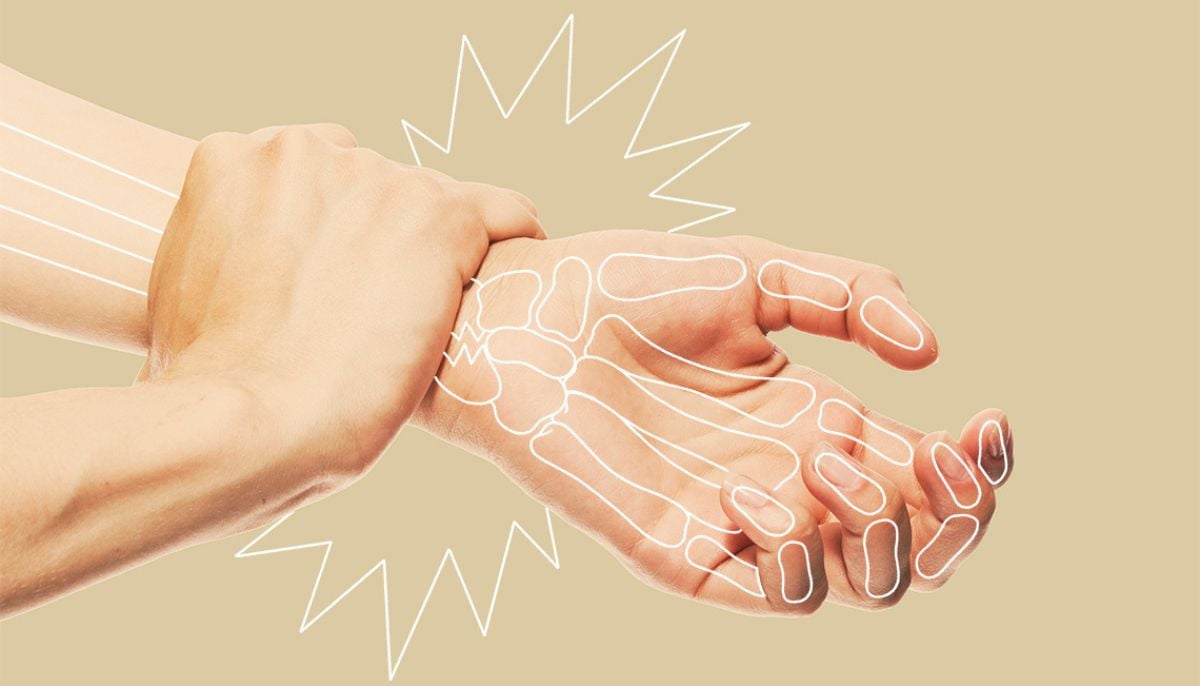
A staggering 40 per cent of adults worldwide are affected by osteopenia, a silent loss of bone mineral density. The condition often goes unnoticed until a fracture occurs, making it a significant but under-recognised public health issue.
A quiet threat to millions
Osteopenia is a condition that quietly develops over time, showing no obvious symptoms. It is a loss of bone mineral density that makes bones weaker and more susceptible to breaking. Many people are unaware they have the condition until they suffer a fracture or undergo a bone density test, which is often recommended due to risk factors like age or menopause. The scale of the issue is immense, with estimates suggesting over 500,000 fractures happen annually in the UK alone because of low bone density. This condition shouldn't be dismissed as a mild form of osteoporosis; instead, it's a critical warning sign and an opportunity to intervene before bone loss becomes more severe. Progression to osteoporosis, where fracture risk is significantly higher, is not inevitable with the right steps.
Why do our bones get weaker over time?
Our bones are not static; they are living tissues constantly being renewed in a process called bone remodelling. Old bone is broken down and replaced with new bone. This process is perfectly balanced in our youth, with bone mass typically peaking in our mid-20s to early-30s. After this point, bone loss gradually starts to outpace bone formation, leading to reduced density. While ageing is the main driver of this decline, other factors can speed it up. Hormonal changes, particularly the drop in oestrogen after menopause, dramatically accelerate bone breakdown as oestrogen helps protect bones. This is a key reason why around one in two women over 50 will experience a fragility fracture. Lifestyle choices also play a huge role. Smoking, drinking too much alcohol, and a lack of physical activity can all weaken bones. A poor diet, lacking in calcium and vitamin D, further robs the body of the essential building blocks for a strong skeleton.
A growing global burden
The challenge of bone health is growing, driven by a global trend of an ageing population. As people live longer, the number of cases of age-related conditions like osteopenia and osteoporosis is expected to rise sharply. This demographic shift is projected to cause a substantial increase in fractures worldwide, placing an ever-growing strain on healthcare systems. Reports estimate that osteoporosis affects 200 million women across the globe. The economic impact is staggering, with the annual cost of fragility fractures in the UK reaching £4.4 billion in 2022. These figures highlight the urgent need for effective prevention strategies to tackle the escalating issue of bone health in an ageing world.
New hope in detection and treatment
Detecting osteopenia early is crucial, and recent developments are making this easier. The standard for measuring bone strength remains a dual-energy X-ray absorptiometry (DXA) scan. This low-dose X-ray produces a result known as a T-score, which compares a patient's bone density to that of a healthy young adult. A T-score between -1.0 and -2.5 indicates osteopenia, while -2.5 or lower signifies osteoporosis. In a major step forward for treatment, February 2025 saw the clearance of the Osteoboost Vibration Belt in the US. This is the first prescription wearable device designed to treat osteopenia in postmenopausal women without drugs, using targeted vibrations to stimulate bone growth. Scientific research also offers future hope, with recent studies identifying new cell receptors and proteins that could be targeted by a new generation of bone-strengthening drugs.
How can you protect your bones?
Management of osteopenia focuses on slowing bone loss and preventing fractures, often starting with simple but effective lifestyle changes. Weight-bearing exercises like walking, dancing, or jogging are excellent as they put a gentle strain on the skeleton, which stimulates bone formation. Resistance training can also help strengthen both bones and muscles. Research consistently shows that regular physical activity is linked to better bone mineral density. Activities that improve balance, such as Tai Chi, are also beneficial as they reduce the risk of falls, a common cause of fractures. Diet is equally vital. A sufficient intake of calcium, found in dairy products and leafy green vegetables, provides the structure for your bones, while vitamin D helps your body absorb it. As vitamin D deficiency is common in the UK, supplements are often advised. While not everyone with osteopenia needs medication, for those at high risk of a fracture, drugs that slow bone breakdown may be recommended.
Bone health truly reflects a lifetime of habits. Making positive changes to diet and exercise can significantly slow bone loss and reduce the risk of developing osteoporosis later in life. In some cases, bone density can even improve with the right lifestyle adjustments. Maintaining these healthy habits over the long term remains the most effective strategy for protecting your bone strength.