Home / Technology
Tech's secret weapon: Why Apple and Microsoft are suddenly obsessed with cute cartoon mascots
Discover why tech giants like Apple and Microsoft are using cute cartoon mascots to humanise their brands and psychological strategy behind this new trend
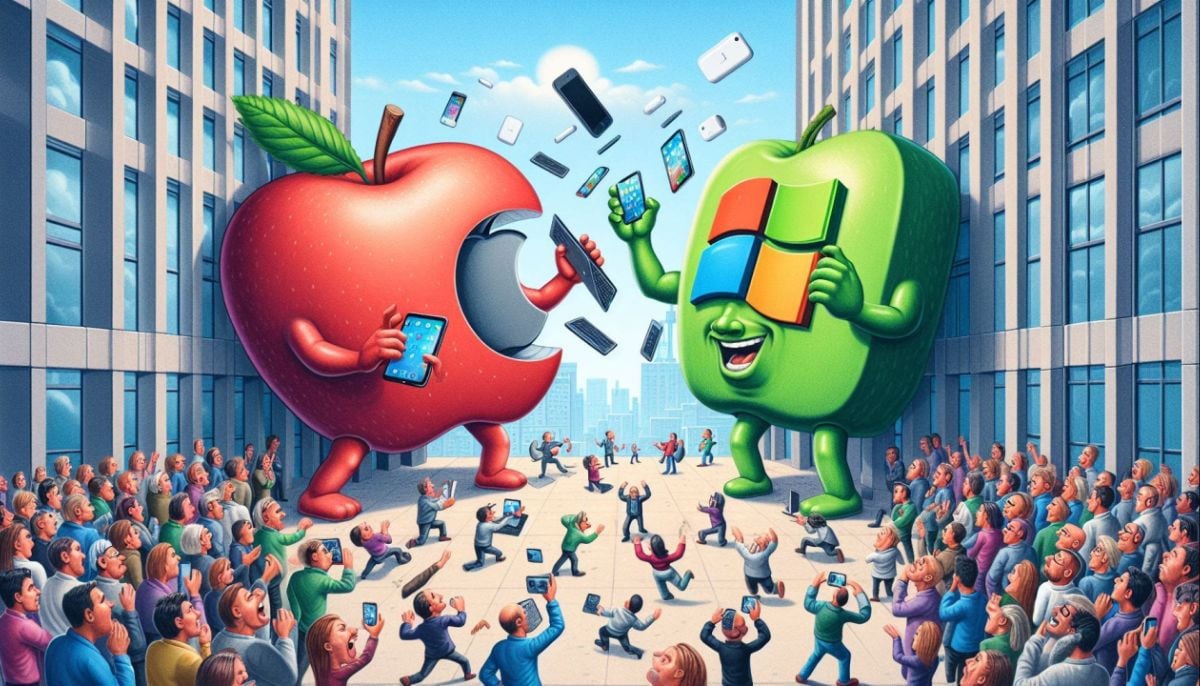
From Apple's 'Little Finder Guy' to Microsoft's new AI friend, the world's biggest brands are rolling out cartoon characters to seem more friendly. But experts warn there could be a more calculating reason behind this cuddly new strategy.
Some of the world’s most powerful and recognisable brands are making a concerted effort to appear more cute and cuddly. Tech giants, often perceived as faceless and cold, are leading a new wave of businesses introducing cartoon mascots, a classic marketing tactic experts say is used to humanise a brand and forge a much stronger connection with its customers.
The new faces of big tech
The trend has been impossible to miss. Apple recently introduced a blue and white figure with an outsized head in social media videos to promote a new laptop. While the company has not given it a name, the character has been unofficially dubbed ‘Little Finder Guy’ by fans online and has gained some positive coverage.
This follows a similar move from Microsoft, which has unveiled a new cartoon avatar for its AI assistant, Copilot, years after it shelved its universally disliked paperclip assistant, Clippy.
The new character, a blob-like figure with a smiley face called Mico, is described by the company as “not a mascot, but an optional visual identity for Copilot”. Microsoft adds that Mico is designed to be “expressive, customizable and warm”, with the goal of making voice conversations with its AI feel “more natural”.
They are far from alone. The online forum Reddit updated its alien mascot Snoo last year to be more animated and emotive. In March, Mozilla, the company behind the Firefox web browser, transformed its iconic logo into a fully-fledged mascot named Kit. John Solomon, Mozilla’s chief marketing officer, explained the move was a deliberate choice to stand out.
“If you think about our competition - look at a Chrome logo, look at a Safari logo, look at an Edge logo - they're very stark, somewhat similar, somewhat cold,” he said. “As a challenger brand, we want to distinguish ourselves from them.”
A powerful money-making machine
There are plenty of compelling commercial reasons for firms to adopt a friendly face. Businesses that include mascots in their marketing campaigns are 37% more likely to see their market share grow than those which do not, according to research published back in 2019. In the business-to-business tech sector, mascots have proven to be a powerful tool for making complex products seem more human.
“They give a voice, a personality, a face even, to a company that is cold and impersonal to many people,” says Anthony Patterson, a professor of marketing at Lancaster University Management School.
The return on investment can be enormous. Mailchimp’s chimpanzee mascot, Freddie, was a key part of turning the email platform into a beloved brand, while the developer community icon, GitHub’s Octocat, helped contribute to its massive £6 billion acquisition by Microsoft.
One of the most successful modern examples is Duo, the big-eyed green owl from the language-learning app Duolingo. The team behind the app credits Duo with helping to attract over 20 million followers across its TikTok and Instagram accounts. “Duo has become much more than a mascot,” says Kat Chan, Duolingo’s head of brand marketing. “He's a character people follow and interact with, which has changed how we show up as a brand… people are invested in Duo.”
The psychology of cuteness
Experts say that by using mascots, brands are tapping directly into people’s innate biological impulses. “In nature, we have evolved to respond with certain behaviours towards something like a baby which has a large head and big eyes,” explains Nathalie Nahai, who writes and lectures on the psychology of technology and business. These are features that are deliberately exaggerated in many brand characters to evoke feelings of warmth and protectiveness, making a brand seem more trustworthy.
This is part of a wider trend towards what some call "pet-coded" design, where digital products incorporate playful elements to foster a sense of comfort and emotional connection in our daily interactions with technology.
A 'creepy' attempt to build trust?
While these sweet characters may win over many customers, not everyone is convinced. Nahai suggests the resurgence of mascots is no coincidence, arriving at a time of growing public mistrust in some of the world's biggest tech firms.
“People are reaching a crisis point when it comes to our relationship with consumer-oriented technologies,” she says. “So many companies are getting a massively bad rap for being these techno overlords. What better way to cut through than to create a cute and cuddly, anthropomorphic mascot?”
Both Nahai and Patterson express concern about the new frontier of combining AI with these mascots, which enables them to interact with people in highly personalised ways. Patterson warns of a future where “individual brand mascots will begin to talk to us on a one-to-one level and try to persuade us to do things. It's a bit creepy, isn't it?”
For its part, Microsoft says it has had “encouraging feedback so far” about Mico, but stresses that users who do not wish to engage with the character can simply turn it off.
Still, the strategy has a long history of success. From the sports teams of the 19th Century to the cartoonish Joe Camel used to sell cigarettes, mascots have been a powerful, if sometimes controversial, tool. Penguin Books has recently breathed new life into the bird that has appeared on its book spines since 1935, creating hand-drawn illustrations to bring “warmth, humour and personality” to its brand.
Nahai remains hopeful that most consumers today are savvy enough to see past the cuteness. “I think there's more cynicism these days,” she says. “But for people who are younger, who haven't been exposed to cynical marketing practices, these strategies may have more persuasive impacts.”