Scientists find psychopaths have a brain region that is 10% larger than other people
A study in the 'Journal of Psychiatric Research' found a measurable brain difference linked to psychopathy in 120 participants
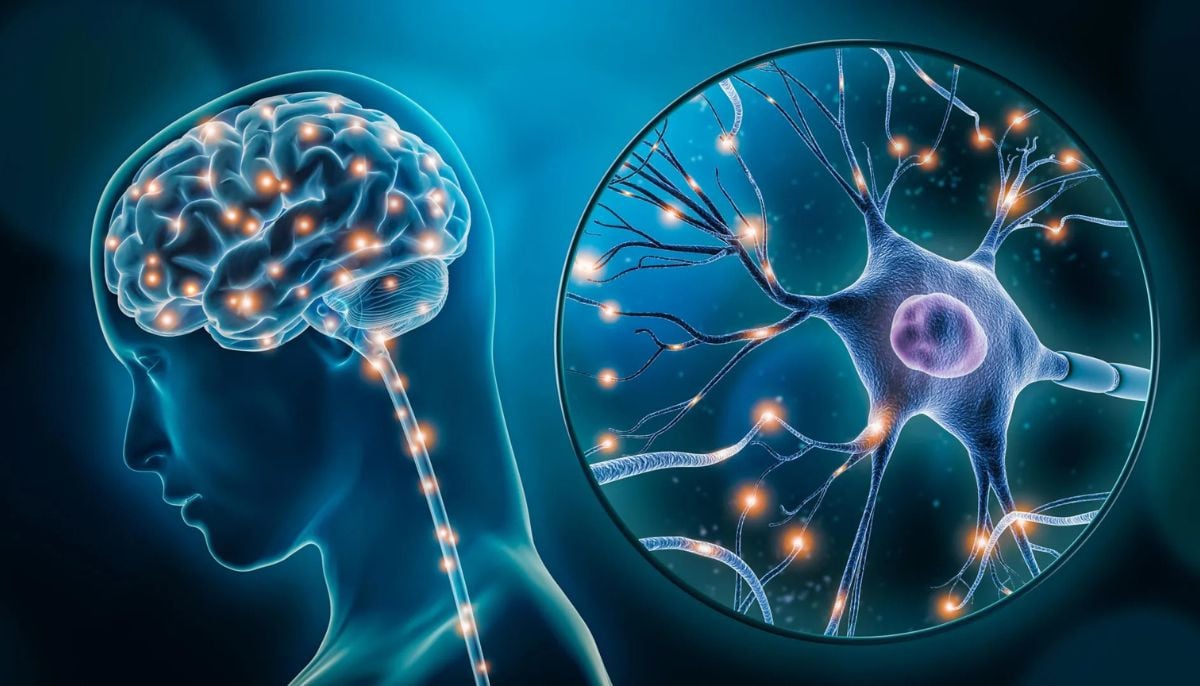
New research has shed light on a striking structural difference between the brains of people with psychopathic traits and those without, adding to a growing body of evidence that biology may play a significant role in the development of psychopathy — alongside social and environmental factors.
The study and its findings
The research, published in the Journal of Psychiatric Research under the title Larger striatal volume is associated with increased adult psychopathy, was led by scientists from Nanyang Technological University (NTU Singapore), the University of Pennsylvania, and California State University.
The team conducted psychological assessments on 120 participants and used brain imaging to examine structural differences between those with psychopathic traits and those with few or none.
The central finding was that individuals with psychopathic traits possessed a notably larger striatum — a brain region deep within the forebrain that is closely associated with reward processing, motivation, decision-making, movement planning, and behavioural reinforcement.
On average, the striatum in those with psychopathic traits was approximately 10% larger than in those without such traits.
What the striatum does
The striatum plays a central role in how the brain responds to rewards and is integral to a range of cognitive and social functions.
The researchers also noted disruptions in frontal-subcortical circuits — neural pathways involved in the regulation and control of behaviour — in individuals with psychopathic traits.
As the study's authors noted: "Psychopathy is associated with structural differences in the striatum, a brain region that is important in a variety of processes important for cognitive and social functioning."
A broader sample than previous research
One notable feature of the study was its deliberate inclusion of participants drawn from the general community, rather than restricting the sample to prison populations.
This approach allowed researchers to examine psychopathic traits across a wider and more representative group of individuals, strengthening the generalisability of the findings.
What the research means
The findings provide further evidence that psychopathy is not shaped by environment and life experience alone, and may help researchers better understand how biological factors contribute to antisocial and criminal behaviour.
Over time, this knowledge could refine existing theories of behaviour and inform future approaches to policy, prevention, and treatment.
Questions that remain
Scientists acknowledge that much remains to be understood. It is not yet clear precisely why the striatum may be enlarged in individuals with psychopathic traits, and future research will be needed to determine what factors drive these structural differences.
Deeper investigation is expected to clarify how genetics, developmental processes, lived experience, and environmental influences interact to shape the brain systems involved in reward-seeking, impulse control, and antisocial behaviour.