Air pollution raises risk of deadly kidney disease, major new Brazilian research has revealed
A Brazilian study of 37,000 people found that those aged 51 to 75 face up to 2.5 times greater kidney disease risk
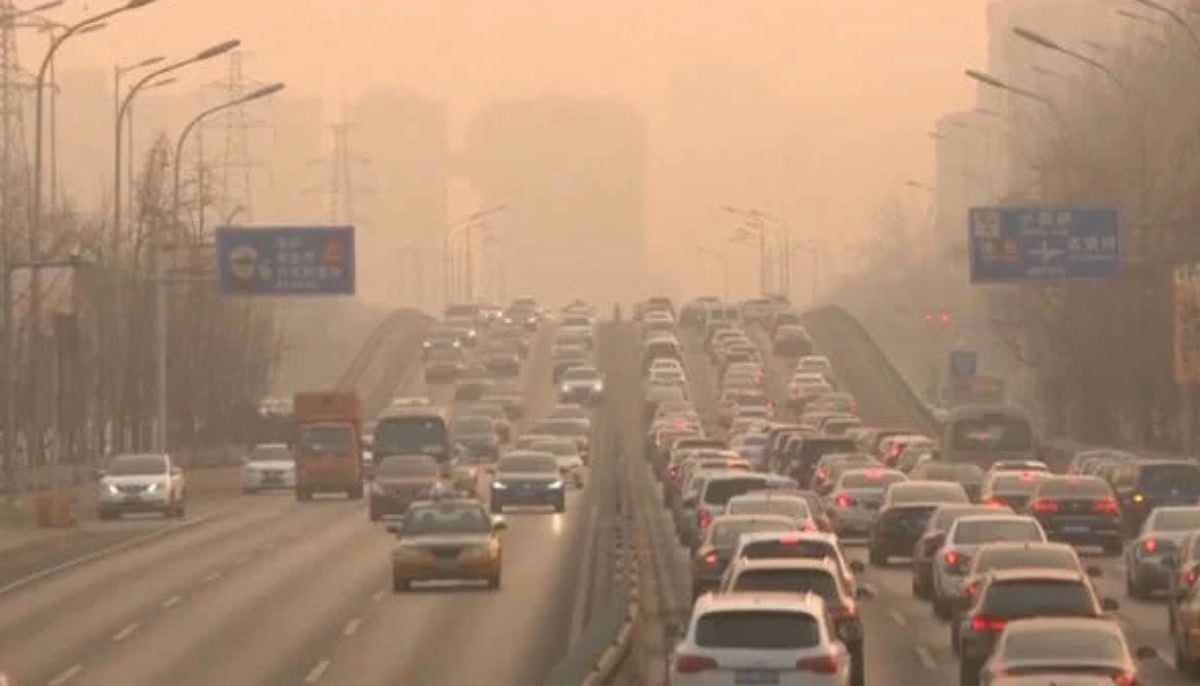
Air pollution significantly increases the risk of chronic kidney disease, acute kidney injury, and hospitalisation from kidney failure, according to new research that experts say carries implications even for countries with relatively clean air.
The study and its findings
The research, conducted in São Paulo, Brazil, analysed data from 37,000 people collected between 2011 and 2021. Carried out by the University of São Paulo, the study found that poor air quality substantially elevated the risk of chronic kidney disease across all age groups.
Those aged 19 to 50 faced a significant increase in risk, whilst individuals aged 51 to 75 were found to be at up to 2.5 times greater risk of developing the condition.
Men more vulnerable to hospitalisation
The researchers also found a notable gender disparity in how air pollution affects kidney health. Men were found to be at higher risk than women of being hospitalised as a result of the condition.
In particular, exposure to elevated levels of pollution over 24 hours was found to be sufficient to increase men's risk of hospitalisation for acute kidney injury. The same increase in risk did not appear to apply to women, though the researchers acknowledge the reasons for this difference remain unclear.
How pollution damages the kidneys
Professor Lucia Andrade, from the University of São Paulo Medical School, explained the likely biological mechanism behind the findings.
"The hypothesis is that particulate matter can enter the bloodstream and deposit in kidney tissue, where it's recognised by the immune system as a foreign body, causing the body to produce a series of inflammatory mediators, as well as mediators of fibrosis and premature ageing," she said.
Relevance for the UK
Chronic kidney disease affects more than seven million Britons and contributes to approximately 45,000 deaths per year in the UK. The condition frequently presents no symptoms until the kidneys are close to failing, meaning an estimated one million Britons are unaware they have the illness.
Whilst the average air pollution recorded during the study period in São Paulo was three times World Health Organisation limits — a level rarely encountered in the UK — the researchers emphasise that their findings point to risks that exist even at far lower pollution levels.
"Even concentrations within the limit showed a link to hospitalisations for kidney diseases, indicating the need to intensify policies to reduce air pollution," said Dr Iara da Silva, lead author of the study.