Research links soy compounds to modest improvements in sexual health after menopause
The findings are based on 13 clinical trials involving more than 1,300 women
A new review of clinical trials suggests that soy-based foods and supplements may help improve certain sexual health symptoms in postmenopausal women, particularly vaginal dryness and other urogenital discomforts.
The findings, published in the International Journal of Impotence Research, analyzed 13 randomized controlled trials involving 1,325 postmenopausal women from around the world.
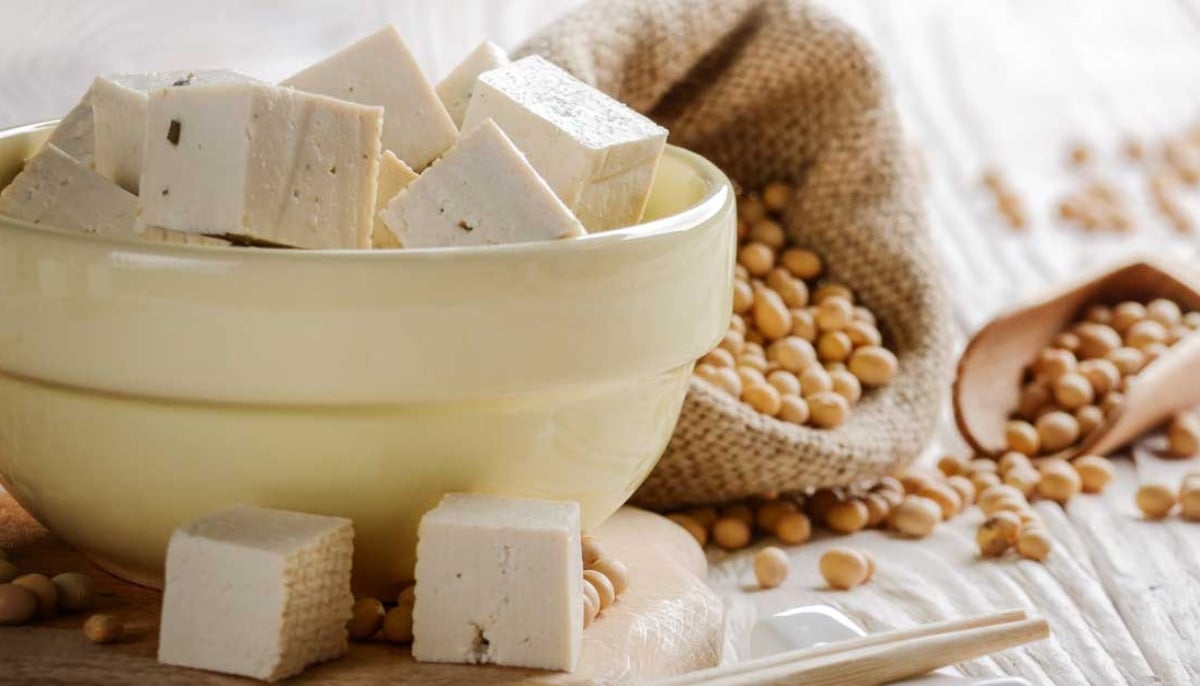
Researchers examined the effects of soy isoflavones—plant compounds found in foods such as tofu, soybeans, and tempeh—compared with placebo treatments and hormone therapy.
Soy isoflavones are classified as phytoestrogens, meaning they have a chemical structure similar to estrogen and can weakly bind to estrogen receptors in the body.
Experts note, however, that they do not function like hormone replacement therapy (HRT), which delivers medically regulated doses of hormones to treat menopause symptoms more directly.
Across study periods ranging from four to 24 weeks, participants consumed soy-rich diets or supplements providing between 40 and 160 milligrams of soy isoflavones daily.
Researchers assessed outcomes including hot flashes, mood changes, and sexual and urinary symptoms.
Overall, the analysis found modest improvements in vaginal dryness and related urogenital symptoms, which may include discomfort during urination, urinary urgency, and reduced sexual arousal.
However, soy isoflavones did not show significant benefits for symptoms such as painful intercourse, night sweats, hot flashes, or psychological effects.
While results were encouraging in some areas, researchers cautioned that the evidence remains limited.
Many of the included studies were small and relied on self-reported symptoms, and experts emphasized the need for longer-term, higher-quality research before drawing firm conclusions.
Medical specialists also advised maintaining realistic expectations. While some women may experience improved comfort and vaginal health, soy isoflavones are unlikely to fully address more severe menopausal symptoms on their own.
Experts noted that soy can be consumed either through food or supplements, though dietary sources such as tofu, tempeh, soy milk, and soybeans may offer better absorption and additional nutritional benefits.
Typical intake suggestions include one to two servings of soy foods daily, though achieving higher therapeutic levels through diet alone may require significant dietary changes.
Researchers also highlighted that soy isoflavones may be most suitable for women experiencing mild to moderate symptoms or those who prefer non-hormonal approaches, while cautioning that individuals with certain medical conditions or medication regimens should consult healthcare providers before use.