Intermittent fasting is not for everyone — a gastroenterologist explains who should avoid it
Intermittent fasting may aid digestion and metabolism, but it is not a suitable fit for everyone
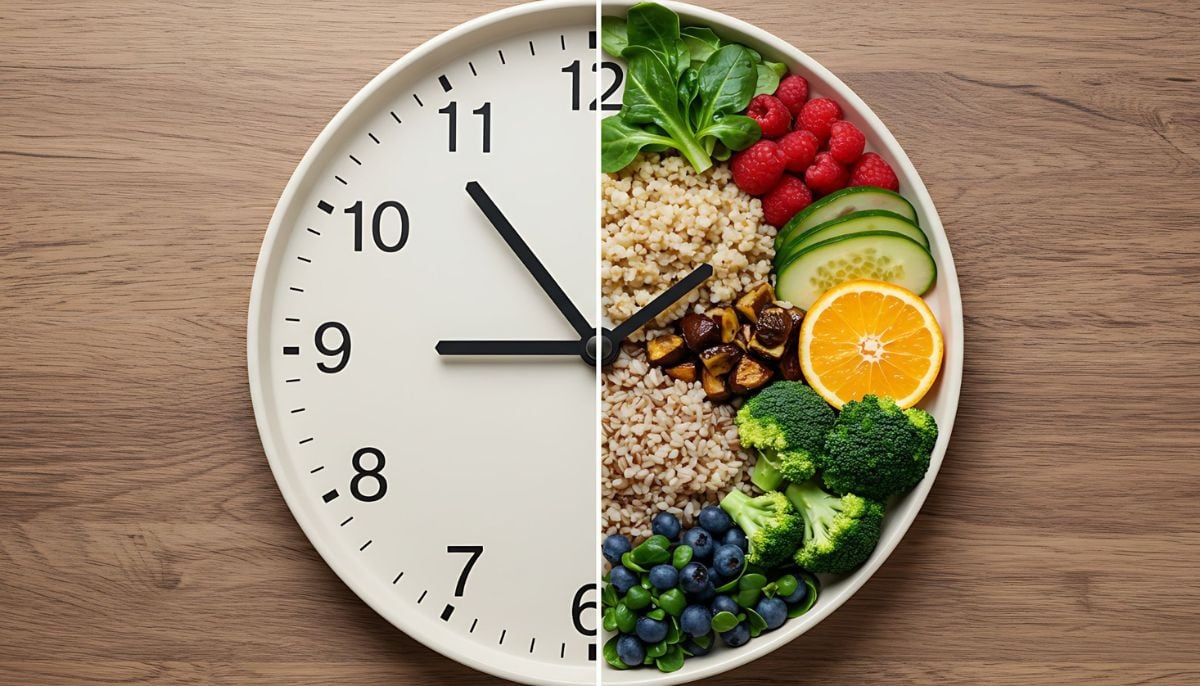
Intermittent fasting has become one of the most talked-about approaches in health and wellness. At its core, it works by restricting eating to specific time windows and fasting during the remaining hours, encouraging the body to draw on stored fat for energy and thereby creating a calorie deficit.
In theory, the approach is straightforward — but in practice, the experience can differ considerably from person to person.
As the trend continues to attract widespread attention, growing numbers of people are trying it. The question is: does it suit everyone?
To explore which groups may be putting themselves at risk, HT Lifestyle spoke to Dr Anupama N K, Senior Consultant in Medical Gastroenterology at Aster CMI Hospital in Bangalore. She acknowledged that the method has surged in popularity for good reason:
"A lot of folks try it, for weight loss, for better blood sugar control, and also for more smooth digestion."
Who may benefit from intermittent fasting?
Before identifying those who should exercise caution, it is worth understanding who stands to gain. Because individual physiology varies so widely, the effects of intermittent fasting are far from uniform.
"Some people might find intermittent fasting kind of helpful since it seems to give the digestive system a little break, so to speak. In some situations, it can also ease bloating, help metabolism feel steadier, and maybe improve gut health,"
Dr Anupama noted, adding that for certain individuals the approach can offer the digestive system a period of rest and help establish a more balanced metabolic rhythm. However, she was clear that these benefits are not universal.
Who should exercise caution?
The popularity of intermittent fasting does not make it appropriate for all. Certain individuals — particularly those with underlying health conditions or heightened nutritional requirements — may respond quite differently to prolonged periods without food. Dr Anupama outlined the groups who need to take particular care:
"People with diabetes, stomach ulcers, acid reflux, eating disorders, chronic liver disease, or severe stomach issues, should be extra careful, especially at the start.
"Pregnant women, nursing mothers, kids, older people, and anyone using regular medications, should not just begin intermittent fasting without a doctor's guidance."
She also warned that skipping meals can exacerbate existing health problems in some cases and may disrupt energy levels.
Extended periods without food can additionally trigger acidity, headaches, dizziness, weakness, and constipation.
Food quality matters as much as timing
Doctors also emphasise that the nutritional quality of what is consumed during the eating window is at least as important as the fasting schedule itself.
Filling that window with highly processed foods, fried items, or sugary snacks can significantly undermine the expected benefits of fasting.
Drinking sufficient water and ensuring meals include fruits, vegetables, protein, and fibre-rich foods remains essential — regardless of how carefully the timing is managed.
Note to readers: This article is for informational purposes only and is not a substitute for professional medical advice. Always seek the advice of your doctor with any questions about a medical condition.