Samsung plans to rebrand the Galaxy Z Fold 8 as Ultra amid Apple foldable rivalry pressure
Researcher Ice Universe has revealed Samsung is scrapping the Galaxy Z Fold 8 Wide branding entirely
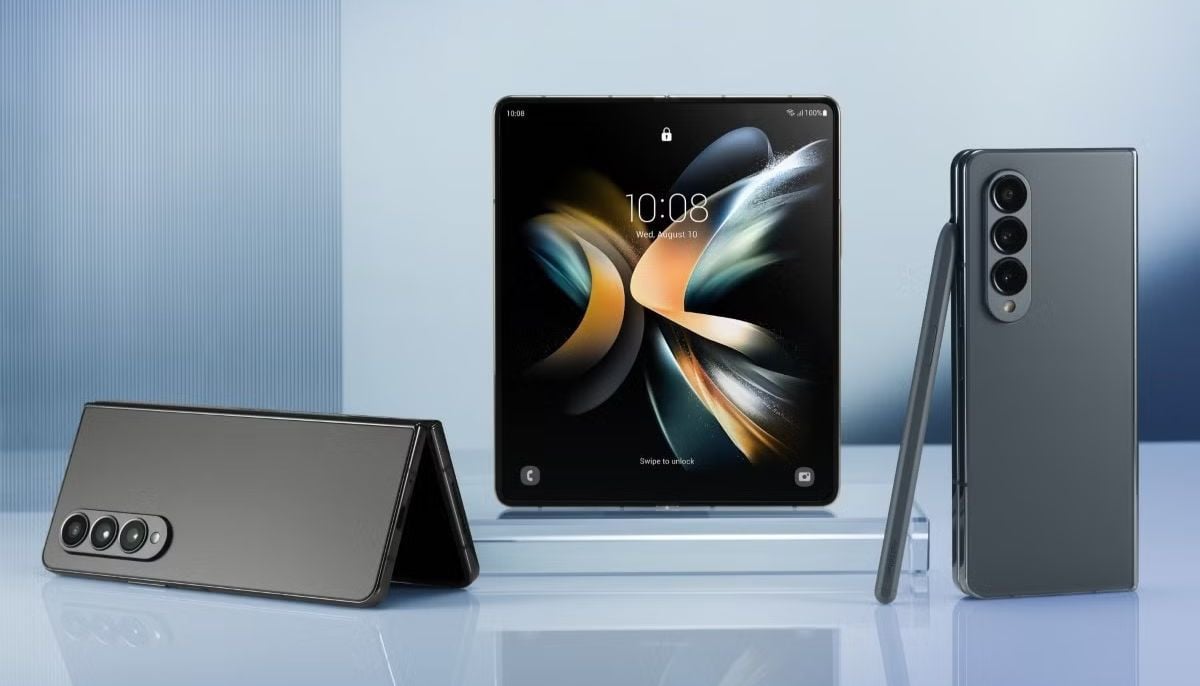
Samsung's upcoming foldable smartphone lineup is becoming increasingly difficult to follow rather than clearer.
A leak from prominent tech researcher Ice Universe has revealed that Samsung intends to market its standard Galaxy Z Fold 8 under the name "Galaxy Z Fold 8 Ultra" — a decision that flies in the face of months of speculation surrounding the device's final branding.
Apple rivalry driving Samsung's naming strategy
The naming shift appears to reflect Samsung's ongoing struggle to position its foldable range against Apple's rumoured "iPhone Ultra," a wider-format foldable device widely expected to revive a form factor that largely failed to gain traction on Android.
Apple's first foldable is rumoured to adopt a wider aspect ratio, broadly similar in design to Google's early Pixel Fold and Chinese manufacturer Oppo's Find N series.
That particular form factor failed to take off on Android for some time, largely due to app compatibility issues, though industry observers suggest that if Apple brings it to market, the strength of the iOS ecosystem could lend the concept new legitimacy.
The "Wide" branding scrapped entirely
Samsung had been widely expected to respond with a device carrying the working title "Galaxy Z Fold 8 Wide" — a name clearly intended to signal its broader screen dimensions from the outset.
However, the latest leaks suggest Samsung has abandoned that branding altogether. In its place, the standard Z Fold 8 will instead carry the "Ultra" designation, whilst the wider variant will be positioned under a separate and seemingly independent marketing strategy.
Hardware specs justify the Ultra label — to a point
Samsung's naming decision begins to make more sense when viewed alongside the actual hardware specifications of each device.
The standard Galaxy Z Fold 8 is reported to feature three rear cameras and a 5,000 mAh battery, lending some credibility to the Ultra designation.
By contrast, the wider variant is said to ship with just two cameras and a slightly smaller 4,800 mAh battery.
Under those circumstances, applying the Ultra label to the less capable of the two devices would likely confuse consumers and potentially undermine how the standard model is meant to be perceived in the market. Samsung appears to have reached the same conclusion.
A branding collision with the Galaxy S26 Ultra
Nevertheless, the decision introduces its own complications. Labelling a device that is less powerful than its stablemate as "Ultra" creates an awkward clash with the Galaxy S26 Ultra flagship, which offers considerably stronger hardware across the board.
The overlap risks diluting the meaning of the Ultra branding within Samsung's own product family — a trade-off the company will need to navigate carefully as it prepares to bring its next generation of foldables to market.