You have been checking your blood pressure wrong for years, says a neurologist
Experts say the time and conditions of your blood pressure check matter just as much as the result
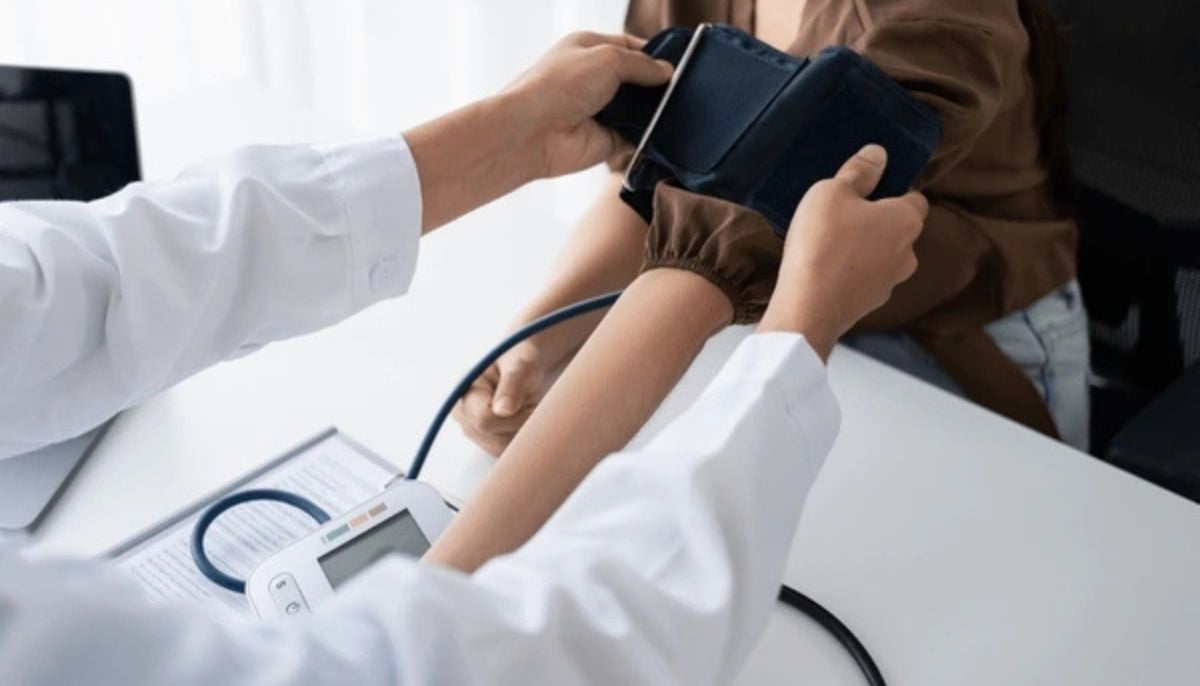
Monitoring your blood pressure regularly is an important health habit, particularly given that high blood pressure remains the leading modifiable risk factor for heart disease and stroke.
Keeping a close eye on your readings can help identify changes early and support better cardiovascular health management.
However, simply taking a reading is not enough. The manner and timing in which blood pressure is measured can be just as significant as the result itself.
Incorrect monitoring can produce misleading numbers that either trigger unnecessary concern or obscure a genuine underlying condition. Understanding the correct way to measure blood pressure at home is therefore essential.
The doctor setting the record straight
Dr Priyanka Sehrawat, a general physician and neurologist trained at AIIMS, New Delhi, and currently associated with The Neuromed Clinic in Gurugram, has outlined some of the most frequent errors people make when taking their blood pressure readings — mistakes that routinely lead to inaccurate results.
In an Instagram video shared on Saturday, Dr Sehrawat stated: "You have been checking your blood pressure in the wrong way and at the wrong time for years. How can you get an accurate sense of your blood pressure if you are not checking it correctly?"
According to Dr Sehrawat, a great many people have been measuring their blood pressure incorrectly for years without being aware of it.
One of the most prevalent errors, she explains, is taking a reading during episodes of headache, nervousness, palpitations, or a panic attack.
Because these moments can temporarily elevate readings, the resulting numbers may not accurately reflect a person's true baseline blood pressure.
For a more reliable measurement, Dr Sehrawat advises checking blood pressure only when the body is calm and at rest.
She noted: "You should not check your blood pressure only when you have symptoms. What people often do is check it when they have a headache, nervousness, palpitations, feel like they are having a panic attack, or feel uneasy. Instead, you must take your blood pressure during your resting phase."
The ideal time to check blood pressure
Dr Sehrawat explains that whilst there is no single fixed ideal time, she recommends measuring blood pressure within a consistent daily window — preferably between 8 am and 9 am or between 8 pm and 9 pm.
She also stresses the importance of avoiding food, exercise, smoking, or stimulants such as tea or coffee for at least 30 minutes prior to taking the measurement. Emptying the bladder beforehand is also advisable, as even that can influence the reading.
In her own words: "While there is no specific 'ideal' time written or observed in studies, the window between 8:00 am to 9:00 am and 8:00 pm to 9:00 pm is considered a good time.
"Whenever you take your blood pressure, ensure that half an hour prior, you have not eaten, exercised, walked or run fast, or smoked. You should also avoid consuming tea, coffee, or any caffeine.
"Additionally, emptying your bladder if you feel the urge to urinate before sitting down to check your blood pressure will provide a better and more accurate reading. At the very least, keep these factors in mind for your blood pressure monitoring."
Note to readers: This article is for informational purposes only and not a substitute for professional medical advice. It is based on user-generated content from social media.