New study links regular bean and soy intake to improved blood pressure levels
Legumes and Soy Could Help Reduce Hypertension Risk, New Research Suggests
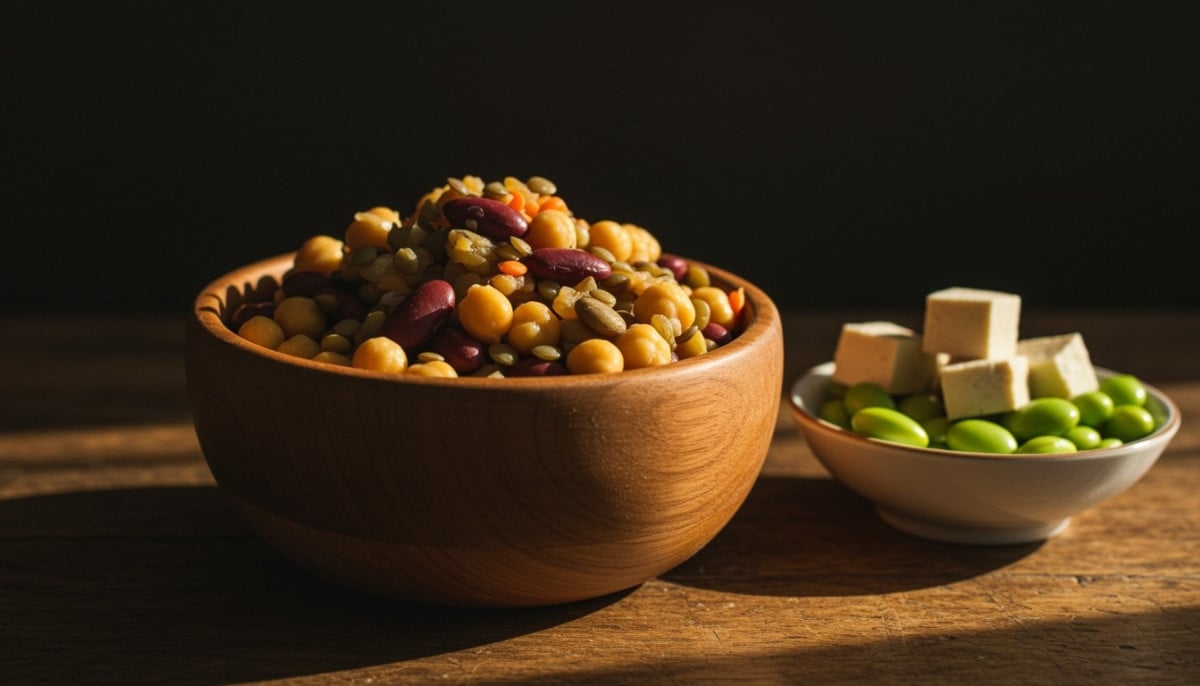
A new analysis suggests that regularly eating legumes such as beans and chickpeas, along with soy-based foods like tofu and edamame, may be linked to a lower risk of developing high blood pressure.
The review, published in BMJ Nutrition, Prevention & Health, found that higher intake of legumes and soy products was consistently associated with reduced rates of hypertension across multiple population-based studies.
Researchers examined 12 observational studies involving more than 100,000 participants across several countries, including the United States, China, Japan, France, and the United Kingdom. Rather than assigning diets, the studies tracked participants’ habitual eating patterns over time.
After adjusting for factors such as age, lifestyle, and overall diet, researchers found that individuals with the highest legume intake had a 16% lower risk of hypertension compared to those who ate the least. Higher soy consumption was linked to a 19% lower risk.
The analysis also identified specific intake ranges associated with benefits. Consuming around 100 grams of legumes per day—roughly half a cup of cooked beans or lentils—was associated with a 12% to 14% lower risk of high blood pressure.
Higher intakes of up to 170 grams per day were linked to risk reductions of as much as 30%.
For soy products, about 60 to 80 grams daily—equivalent to roughly half a cup of edamame or a small serving of tofu—was associated with a 28% to 29% lower risk, with benefits remaining steady at higher intake levels.
However, researchers noted that average consumption in Western countries remains far below these levels, typically between 8 and 15 grams of legumes per day.
Experts say the findings add weight to existing evidence linking plant-based foods with cardiovascular health, though they caution that the study cannot prove direct cause and effect.
Because the analysis is based on observational data, it cannot confirm that legumes and soy directly prevent hypertension.
Differences in populations, diets, and food types also make it difficult to determine whether specific foods offer stronger benefits than others.
Still, researchers say several nutritional factors may help explain the association. Legumes are rich in fiber, which supports cholesterol control, blood sugar regulation, and gut health.
Soy foods also contain isoflavones such as genistein and daidzein, which have been studied for their potential anti-inflammatory and heart-protective effects.
Experts also suggest that weight management may play a role, since both legumes and soy have been associated with reduced weight gain, and excess body weight is a major risk factor for high blood pressure.
Nutrition specialists recommend simple ways to increase intake, such as adding beans to salads and soups, using hummus as a snack, or incorporating tofu and edamame into everyday meals.
They also note that gradual increases can help reduce digestive discomfort sometimes associated with higher fiber intake.
Researchers emphasized that while legumes and soy are not “miracle foods,” even modest increases in consumption could have meaningful public health benefits when adopted consistently.