Sonny Rollins, master of jazz improvisation, passes away at 95 in New York
The legendary musician passed away at his home in Woodstock, New York, his family confirmed
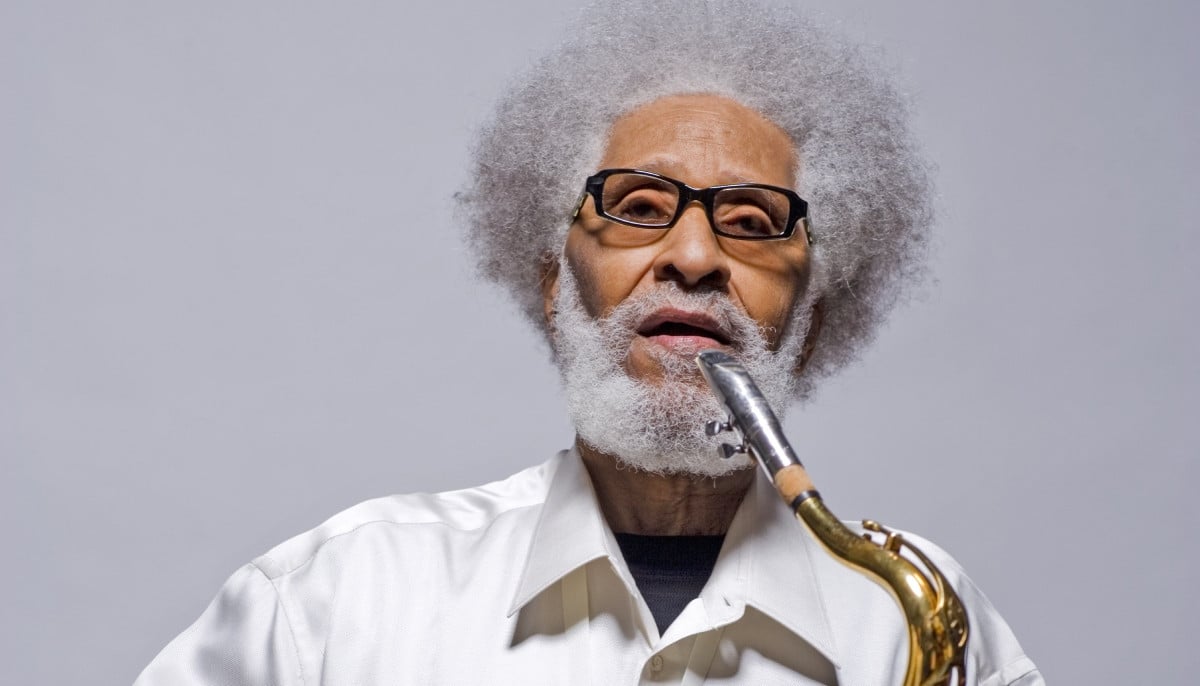
Sonny Rollins, the legendary tenor saxophonist widely regarded as one of the most influential figures in jazz history, has died at the age of 95.
Rollins passed away on the afternoon of May 25, 2026, at his home in Woodstock, New York, according to a statement released by his family.
The announcement described him as “one of the most honored and influential figures in American music of the 20th century and beyond.”
He is survived by his nephew Clifton Anderson and nieces Vallyn Anderson and Gabrielle DeGroat. The family said no public memorial service is planned at this time.
Born Walter Theodore Rollins in New York City in 1930, he was raised in Harlem by parents from the Virgin Islands. He began his musical journey on piano before switching to saxophone as a teenager, ultimately finding his signature voice on the tenor sax.
Early in his career, Rollins was inspired by jazz pioneer Coleman Hawkins, whose tone and approach helped shape his own artistic direction.
By his late teens, Rollins was already performing with major names in jazz, including Miles Davis, Bud Powell, and Thelonious Monk.
Rollins rose to prominence in the 1950s with a remarkable creative surge, releasing 16 albums between 1956 and 1958.
His work during this period included A Night at the Village Vanguard, widely considered one of the greatest live jazz recordings ever made.
Despite his artistic success, Rollins struggled with heroin addiction in the early part of his career. After multiple arrests in 1954, he entered treatment at a federal narcotics hospital in Lexington, Kentucky, which became a turning point in his life.
Following his recovery, he gradually rebuilt his career and became known for his disciplined practice and commitment to musical exploration.
He later took a sabbatical to refine his sound further, often practicing alone on New York’s Williamsburg Bridge, a period that inspired his 1962 album The Bridge.
Throughout his career, Rollins was celebrated for his improvisational mastery and creative independence.
He won two Grammy Awards, received a Grammy Lifetime Achievement Award in 2004, and was honored with the Kennedy Center Honor and the National Medal of the Arts in 2011.
His archival collection was later acquired by the Schomburg Center for Research in Black Culture at the New York Public Library.
He gave his final concert in 2012 and stopped playing the saxophone entirely in 2014 after being diagnosed with pulmonary fibrosis.
Reflecting in later interviews on his life and legacy, Rollins often spoke about creativity, spirituality, and acceptance.
In one of his final public reflections, he said he was grateful for a life devoted to music and at peace with its end.
His family has not announced any public memorial plans.