Over seven hundred smuggled marine animals arrive inside plastic bags in Argentina
Specialised veterinary teams work around the clock to stabilise surviving tropical reef animals after international transit
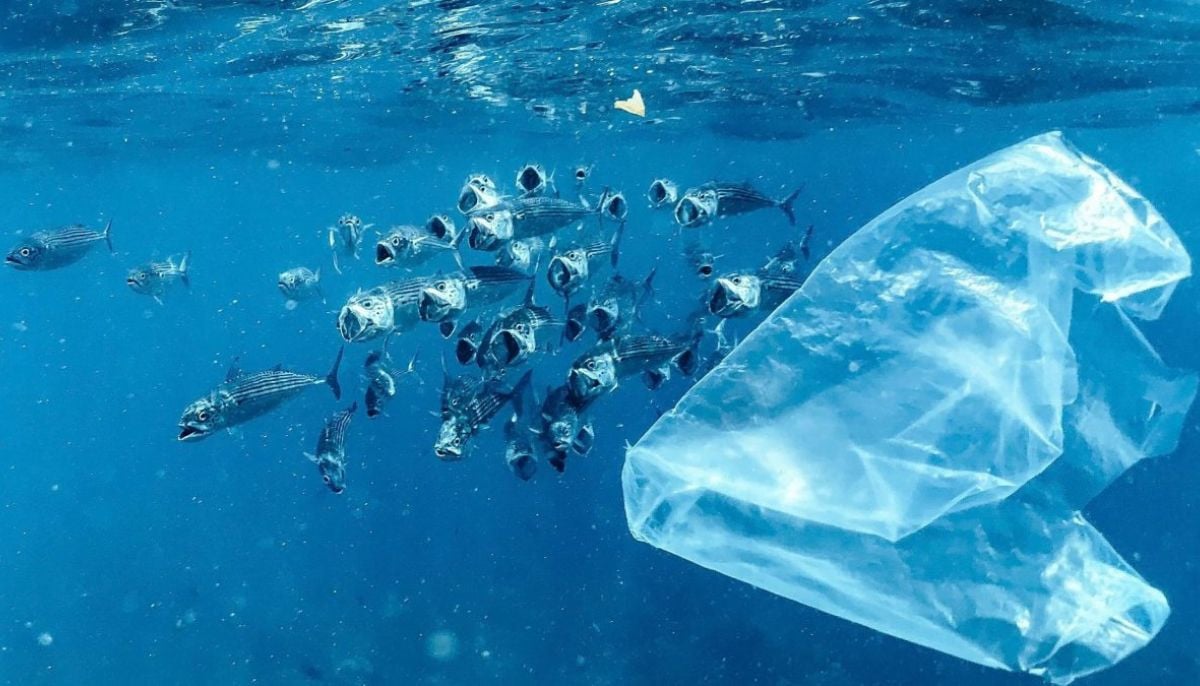
Authorities found more than 700 smuggled marine animals stuffed into hundreds of individual plastic bags at a Buenos Aires airport, the latest bust in what conservationists say is a growing and well-organised illegal wildlife trade.
According to the Associated Press, Argentine authorities intercepted the shipment in late April at Ezeiza International Airport in an operation involving the country's Environmental Control Brigade, agricultural health inspectors, customs officials, rehabilitation organisation Fundación Temaikèn, and the International Fund for Animal Welfare.
The animals, 709 in total, spanning 102 species, had spent five days in transit from Kenya, and many arrived deceased. Those who survived showed severe signs of stress and shock, the AP reported.
The shipment included surgeonfish, puffer fish, lionfish, butterflyfish, octopuses, crabs, and starfish, all commonly sought for home aquariums and exotic collections.
Emergency Rescue Response
Fundación Temaikèn, the only institution in Argentina equipped to receive confiscated marine wildlife of this kind, launched an emergency rescue operation at its facilities north of Buenos Aires.
Veterinarians and specialists worked for more than 28 hours straight to stabilise survivors, installing 10 additional tanks with heating, filtration, and water-conditioning systems suited for tropical species.
Because each animal had been packed separately, rescue teams performed delicate individual drip acclimation procedures to ease the creatures into new water conditions and prevent further physiological shock.
Scale of Industrialised Smuggling
"Many of these animals were extracted from reef ecosystems and arrived at the limit of survival, after spending days inside transport bags and boxes before the rescue could be carried out," Cristian Gillet, wildlife director at Fundación Temaikèn, said in a statement.
Christian Plowman of the International Fund for Animal Welfare told the AP that the scale of the operation points to something far more coordinated than opportunistic smuggling.
"This is an industrialised crime," he said. "Moving 709 animals comprising 102 species across international cargo routes, packed in bags for 120 hours of transit, is not something done casually. It requires coordination along every link of the chain."
Exploitation of Transit Corridors
Plowman also noted that this marks the third seizure in a year at the same entry point — a sign, he said, of a deliberate and established trafficking corridor.
"Traffickers identify and exploit corridors that work until enforcement disrupts the model," he said. "This interception — and the two before it — should be understood as intelligence, not just seizures."
The surviving animals remain under specialised care while authorities determine their long-term plan for the creatures. No arrests have been announced in connection with the seizure.