5 silent health mistakes people make in their 20s, according to gastroenterologist
Gastroenterologist's advice highlights simple but powerful ways to protect digestion, immunity and overall health

Many young adults assume their health can be “fixed later,” but doctors warn that the habits formed in your 20s often set the foundation for long‑term wellness. From sleep routines to diet choices, everyday decisions can quietly shape gut health, energy, and resilience for decades to come.
Gastroenterologist and hepatologist Dr. Saurabh Sethi, 44, shared in a June 4 Instagram post the five lessons he wishes he had known in his 20s. His advice highlights simple but powerful ways to protect digestion, immunity, and overall health.
1. Gut Health Shapes Everything Else
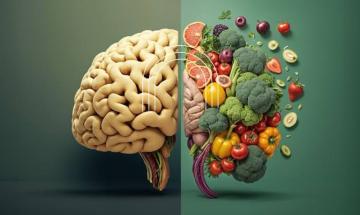
Energy, mood, skin, immunity, and mental clarity all begin in the gut. “It sits quietly in your digestive system, but it influences almost everything you feel daily. At 20, I didn’t realise how foundational gut health truly is,” Dr. Sethi explained.
2. Sleep Debt Cannot Be Repaid
Contrary to popular belief, lost sleep isn’t something you can “catch up” on. “Every night of poor sleep compounds over time. There is no bank account for lost sleep,” he noted, pointing to research linking chronic sleep deprivation to accelerated aging and higher metabolic risk.
3. Stress Damages Faster Than Food
Chronic stress has a direct biological impact. “Psychological stress can affect the gut and body within hours. I wish we were taught nervous system regulation much earlier, not later in specialist training,” Dr. Sethi said.
4. Ultra‑Processed Foods Build Your Future Health
Dietary patterns in your 20s shape liver and metabolic health in your 40s. “Conditions like fatty liver disease don’t appear suddenly; they develop silently over decades of repeated dietary choices,” he explained.
5. Fiber Is the Missing Nutrient
Despite its importance, fiber intake remains far below recommended levels worldwide. “Most people consume only 10–15 grams daily, while the ideal is much higher. Adequate fiber intake significantly reduces risks of chronic diseases like colorectal cancer and heart disease,” Dr. Sethi emphasized.
Note to readers: This article is for informational purposes only and not a substitute for professional medical advice. Always seek the advice of your doctor with any questions about a medical condition.