Appendix is not completely useless: Doctor explains
Dr. Sood reveals the appendix functions as a “safe house” for good bacteria
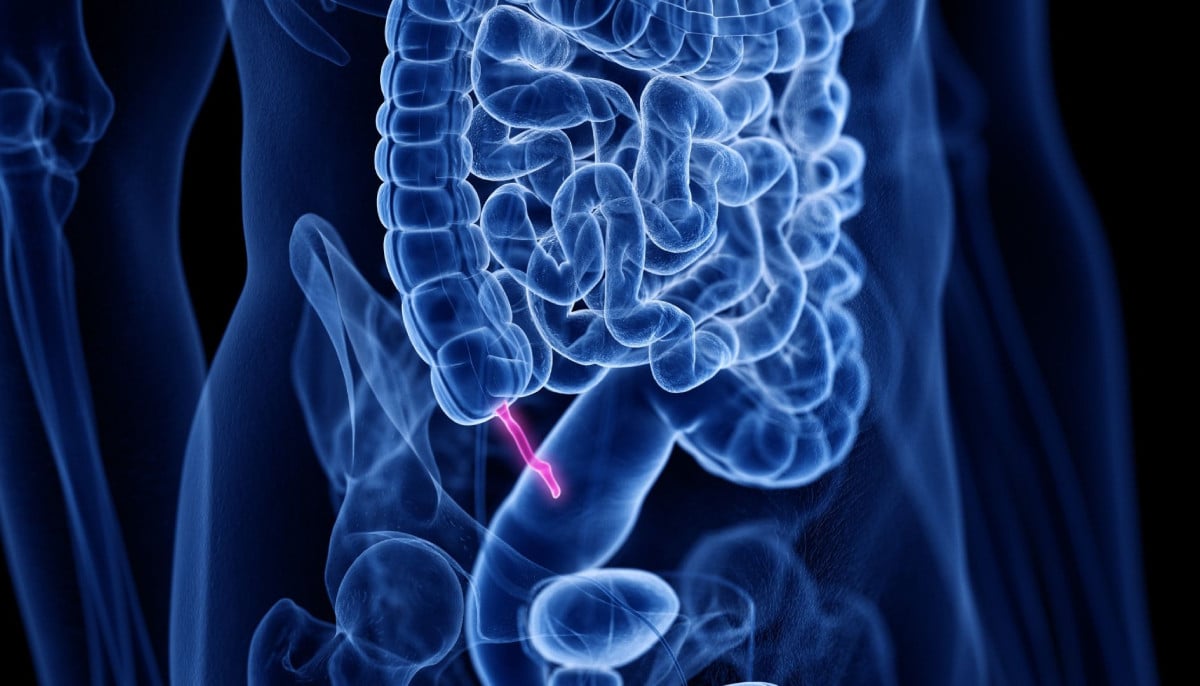
The appendix is a small, finger‑like pouch attached to the beginning of the large intestine, located in the lower right side of the abdomen. Traditionally labeled a “vestigial organ,” it was thought to have lost its purpose as human diets evolved.
Modern function of the appendix
Maryland‑based physician Dr. Kunal Sood shared on Instagram that the appendix still plays a role in maintaining gut health. It contains immune tissue that interacts with bacteria in the digestive tract and may act as a reservoir for beneficial microbes.
“One of the biggest myths in anatomy is that the appendix is just a useless leftover organ. But not essential does not mean useless. The appendix is a small pouch attached to the beginning of the large intestine, and it contains immune tissue that interacts with bacteria in the gut.”
Safe house for gut bacteria
Dr. Sood highlighted a theory that the appendix functions as a “safe house” for good bacteria. After severe infections or diarrhoea, these microbes can repopulate the colon and restore balance in the microbiome.
Survival without appendix
While people can live without the appendix, Dr. Sood cautioned that it still contributes to gut immunity and recovery. Removing it unnecessarily may reduce the body’s ability to maintain microbial balance.
Risks of appendicitis
The appendix must remain healthy to be beneficial. If it becomes blocked and inflamed, appendicitis can occur. A ruptured appendix is dangerous and requires immediate removal to prevent serious infection.
“The important part is this. If the appendix becomes blocked and inflamed, that’s appendicitis and removing it can be life‑saving because a ruptured appendix can lead to serious infection. So, the appendix is not essential for survival, but is also not completely pointless, and maybe does more behind the scenes than we used to think.”
Note to readers: This article is for informational purposes only and not a substitute for professional medical advice. Always seek the advice of your doctor with any questions about a medical condition