Microbiologists reveal the hidden hygiene risks of using loofahs daily
Overuse of loofahs may cause micro-abrasions that make skin more vulnerable to irritation
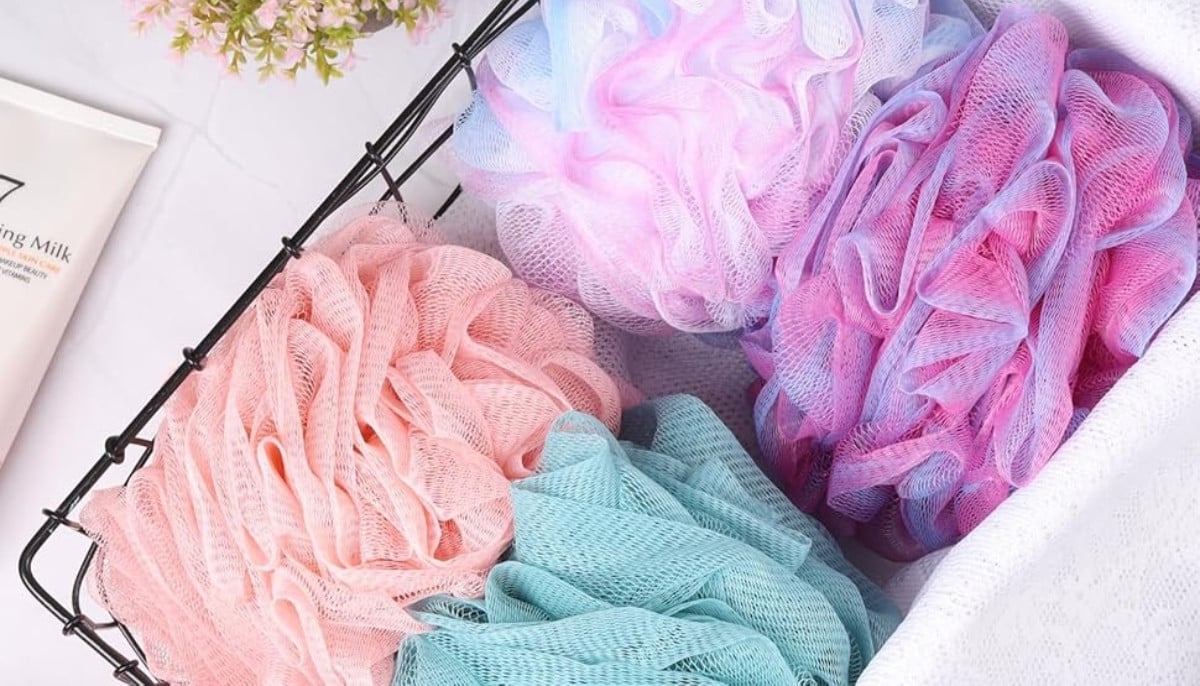
Loofahs are great at creating foam in the shower—but they’re also surprisingly good at holding onto something less appealing: bacteria.
That’s the warning from microbiology and dermatology experts who say the popular bath accessory can become a moist, bacteria-friendly environment if not properly cleaned and replaced.
Why loofahs can harbor bacteria
According to researchers, loofahs provide an ideal setup for microbial growth for three main reasons.
First is structure. Their rough, porous texture contains countless small crevices where bacteria can settle and multiply.
Second is the environment: bathrooms are warm and humid, and loofahs are often left damp between uses. Third is food supply. Because many loofahs are plant-based, they can retain organic material such as dead skin cells and soap residue—both of which can support bacterial growth.
In simple terms, the very features that make loofahs effective exfoliators also make them efficient bacterial traps.
Can that bacteria make you sick?
For most healthy people, the risk is relatively low—but not zero.
Experts explain that intact skin acts as a strong protective barrier. Problems are more likely when there are cuts, abrasions, or irritation, which can allow bacteria to enter deeper layers of skin.
Over-scrubbing with a loofah can actually create those small injuries in the first place.
Dermatologists warn that redness, stinging, or pain during use may be signs of excessive abrasion.
In some cases, trapped bacteria entering broken skin can contribute to infections, including Folliculitis, which causes red bumps and irritation.
Should you stop using loofahs?
Many dermatology experts now recommend avoiding them altogether.
Instead, they suggest using a simple washcloth or even just your hands, which are less abrasive and far easier to keep clean. Washcloths also dry more quickly and can be laundered frequently, reducing bacterial buildup.
Hands, in particular, are often considered the safest option because they don’t retain moisture or harbor residues in the same way textured cleaning tools do.
If you still want to keep your loofah
For those who don’t want to give it up completely, hygiene habits matter.
Experts recommend replacing loofahs frequently—ideally every month—and allowing them to dry completely outside the shower after each use.
Keeping them in a constantly humid environment increases bacterial growth.
Some also suggest disinfecting them weekly using a diluted bleach solution for a few minutes to reduce microbial buildup.
The bottom line
Loofahs aren’t inherently dangerous, but they do create ideal conditions for bacteria if neglected.
For people with sensitive skin or frequent cuts, switching to simpler alternatives may be the safer choice.
What feels like a refreshing scrub in the moment may be doing more than just cleaning your skin.