PT recommends goblet squat as best exercise for muscle growth, healthy ageing
Physiotherapist says goblet squats build strength, balance and mobility together
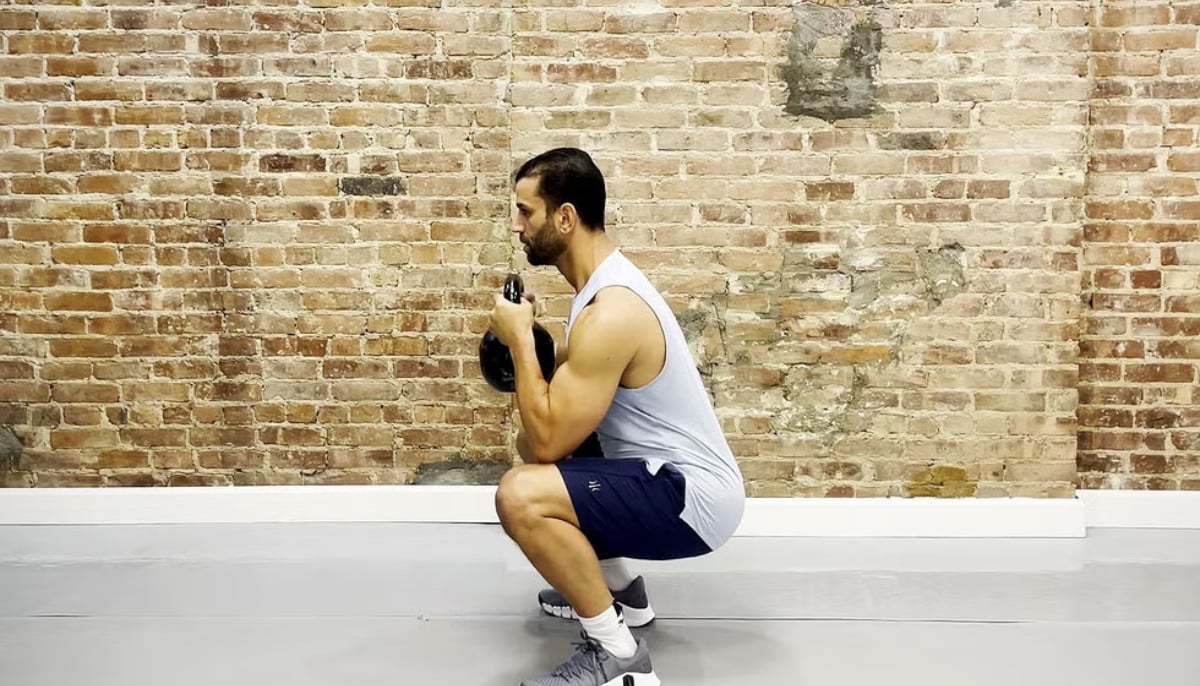
Physical therapist Will Harlow has identified the goblet squat as the single most effective exercise for building muscle, improving mobility and maintaining independence with age.
Harlow, author of Independence for Life, said the exercise delivers multiple longevity benefits at once by combining strength training, balance work and joint mobility. The fitness expert shared the advice while discussing the core principles of healthy ageing.
"There’s no such thing as too early. And the earlier you start, the better of a base you build," Harlow said as per Business Insider, encouraging people to begin training for long-term health as soon as possible.
Why Goblet Squats Are Good for Healthy Ageing
The goblet squat involves holding a weight such as a dumbbell in front of the chest while performing a squat. According to Harlow, the exercise is accessible to beginners, requires minimal equipment and carries a relatively low risk of injury.
"The beautiful thing about the goblet squat is it's highly safe because if you get into trouble, you can just drop the weight," he said.
The movement engages muscles throughout the body, including the legs, back, arms, core and hips, while also challenging the knees, ankles and hip joints. Harlow said this combination makes it one of the most efficient exercises for both athletic performance and everyday function.
He explained that maintaining muscle mass becomes increasingly important with age because strength is closely linked to independence and quality of life.
"It's so vital to keep that muscle on our body," Harlow said. "Strength is just a proxy for independence because if you're weak, you can't open heavy doors, you can't get on and off the toilet unassisted, and you can't get on and off the floor."
How Many Reps Should You Do?
For those looking to maximise results, Harlow recommends focusing less on a specific number of repetitions and more on working the muscles close to fatigue. He advises choosing a weight that allows between 10 and 20 repetitions while still feeling challenging.
According to Harlow, that range offers an effective balance between muscle growth, strength development and bone health without significantly increasing injury risk.
"That's a nice sweet spot for building muscle," he said. "It's also heavy enough that you're going to have an impact on your bone density and you'll improve your mobility as well, but it's not so heavy that we are elevating that risk of injury."
Note to readers: This article is for informational purposes only and not a substitute for professional medical advice.