Elizabeth Banks opens up about past impostor syndrome in Hollywood
The actress says she once struggled with impostor syndrome early in her Hollywood career
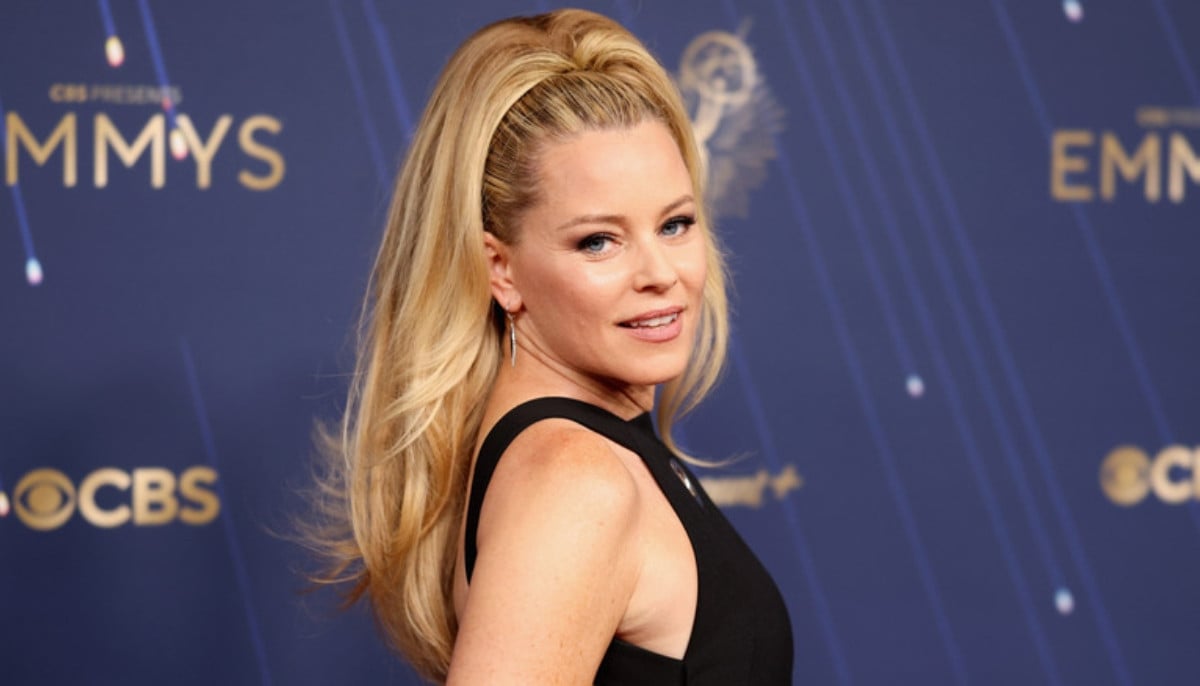
Elizabeth Banks has reflected on her early struggles with impostor syndrome, saying she once felt like a “fraud” in Hollywood before gradually growing into confidence about her career as an actress and filmmaker.
The 52-year-old star, known for roles in franchises such as Pitch Perfect and The Hunger Games, said those feelings of self-doubt were a significant part of her early years in the industry but have since eased as her career has progressed.
Speaking to Variety, Banks said she now feels more secure in her identity as a working artist and is embracing the uncertainty of a rapidly changing entertainment landscape.
“I had impostor syndrome for a long time,” she said. “And now I’m like — you’ll get there too — this is actually my career. This is what I do for a living and I’m making a living at it and this is my life. I’ve calmed down into a sense that I know how to do it now. And I can see things in the future.”
Banks added that she is increasingly comfortable with the direction her career may take in the years ahead, even as the film industry continues to evolve.
“I’m really interested to see where it’s all headed and happy to be on the ride,” she said, noting that she views this period as a creative and professional turning point.
The actress also reflected on long-term ambitions, suggesting she still sees herself performing well into later life.
“I can see being 70 and being Elaine Stritch at the Carlyle and singing the Great American Songbook and telling jokes and entertaining people,” she said.
Banks said she hopes her body of work has built enough trust with audiences that they can rely on her to deliver across different roles and projects.
“I’ve hopefully built up enough of a reputation of: If you watch me, I promise to entertain you. If you show up, I’ll show up,” she said.
The filmmaker added that she views that relationship with audiences as a kind of informal agreement that she takes seriously in her work.
Despite her reflection on legacy and craft, Banks emphasised that she does not take herself too seriously, describing her approach as grounded and collaborative.
She also spoke about her appreciation for storytelling as a broader cultural tradition, comparing it to works that endure across generations.
“When we go to museums and look at the art, it’s the art that we pass down through the generations,” she said.