Nutritionist shares rice cooking method to reduce arsenic by 73%
Nutritionist warns rice may contain arsenic and outlines safer cooking method
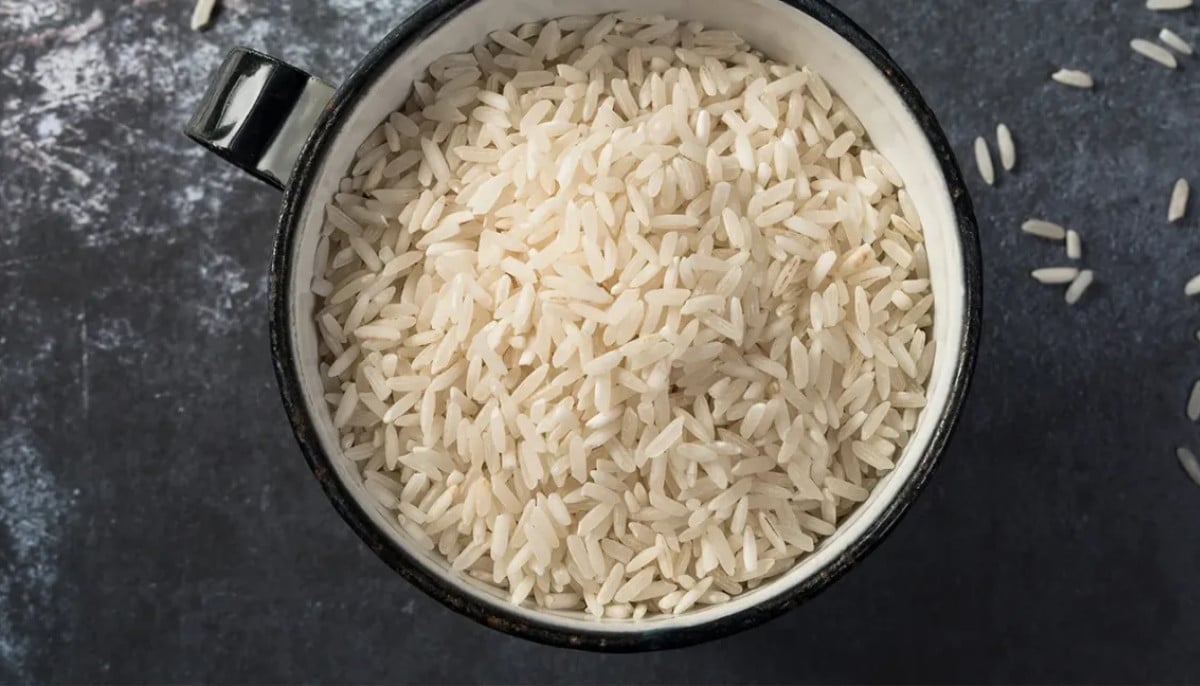
A UK-based nutritionist is urging rice eaters to rethink how they prepare one of the world’s most widely consumed foods, warning that common cooking methods may leave people exposed to potentially harmful levels of arsenic.
Zib Atkins shared the warning in an Instagram video on June 12, claiming that many rice products contain measurable amounts of the toxic substance and encouraging consumers to adopt a different cooking process.
“Your rice is full of toxic arsenic,” Atkins said in the video. “Now, this is a big problem. You don’t want to be eating arsenic.”
He added that arsenic exposure has been linked to conditions including cancer, cardiovascular disease and diabetes.
Method Claims to Cut Arsenic by 73%
Despite the warning, Atkins told viewers not to panic and instead follow what he described as a science-backed technique capable of reducing arsenic levels by as much as 73%.
The process, known as the “parboiling with absorption method”, begins by rinsing rice several times in cold filtered water.
“First up, you want to rinse your rice a couple of times,” Atkins explained, noting that rinsing alone may remove some arsenic before cooking even begins.
Four-Minute Parboiling Stage
The next step involves bringing a large quantity of water to a boil.
Atkins recommends using four parts water for every one part rice. Once boiling, the rice is added and left to parboil for four minutes.
“This is called parboiling, and it’s the key to removing arsenic from the water,” he said.
After four minutes, the water should be drained away completely before the rice is rinsed again.
Final Cooking Process
Once the initial boiling water has been discarded, Atkins advises adding fresh water at a ratio of two cups of water for every cup of rice.
The rice should then be returned to the hob, covered with a lid and cooked over medium heat until the water has been absorbed.
According to Atkins, this two-stage process is significantly more effective at reducing arsenic exposure than conventional rice-cooking methods.
Two Additional Tips for Health Benefits
Beyond reducing arsenic, Atkins shared two further suggestions aimed at improving the nutritional profile of rice.
The first involves adding a teaspoon of coconut oil while the rice cooks.
He said coconut oil contains medium-chain triglycerides and may help convert part of the rice into resistant starch, a form of carbohydrate that behaves differently in the digestive system.
The second tip is to refrigerate cooked rice for several hours before eating it.
“Once you’ve cooked your rice, put it in the fridge for a few hours,” Atkins said.
According to the nutritionist, cooling rice increases resistant starch levels, potentially reducing the number of calories absorbed while also supporting beneficial gut bacteria.
Atkins argued that resistant starch may contribute to reduced inflammation, improved gut health and the production of compounds linked to overall wellbeing, though he stressed that the technique works best when incorporated into a consistent healthy diet.
Note to readers: This article is for informational purposes only and not a substitute for professional medical advice. Always seek the advice of your doctor with any questions about a medical condition.