New study finds co-sleeping with pets may disrupt sleep quality
Research published in scientific reports found higher insomnia rates among people who co-sleep with pets
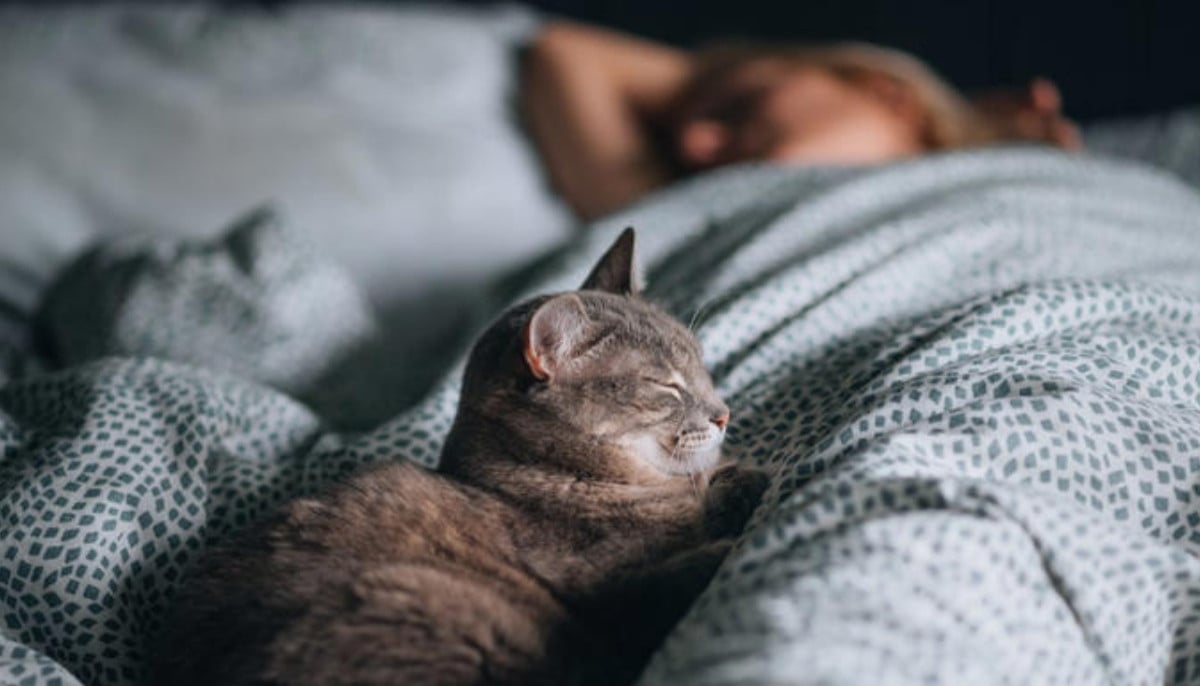
Sharing a bed with pets may feel comforting, but new research suggests it could come with a hidden cost to sleep quality, especially for dog owners.
A 2024 study published in Scientific Reports examined more than 1,500 U.S. adults and found that people who co-sleep with pets reported worse sleep quality and more severe insomnia compared to those who sleep alone.
The results held even after researchers adjusted for factors like age and income.
The findings are notable given how common the habit is. According to ownership data from the American Veterinary Medical Association, Americans own roughly 87 million dogs and 76 million cats — and a large portion of them share their beds at night.
The study estimates about 47.6% of pet owners co-sleep with pets, closely aligning with other research from the American Academy of Sleep Medicine that places the figure at around 46%.
Despite the measurable sleep disruption, perception tells a different story. In earlier research from the Mayo Clinic Center for Sleep Medicine, about 41% of participants said they felt comfortable sleeping with their pets, while only 20% reported being disturbed.
Overall, around 60% of respondents believed their pet actually improved their sleep.
However, the Scientific Reports study revealed an interesting distinction: the negative impact on sleep was primarily linked to dog owners, while cat owners did not show the same level of disruption.
Researchers suggest this may be due to differences in size, movement, and sleep patterns.
Dogs tend to move more during the night and may more easily disturb a human's sleep cycle, while cats, being smaller and often more independent in their rhythms, appear to have less measurable impact on sleep quality.
That said, earlier research has also found mixed effects among cat owners, including reports of more disrupted leg movements during sleep in some studies.
At the same time, experts note that sleeping with pets isn’t entirely negative. Research cited by the National Institutes of Health suggests that interacting with pets can lower blood pressure, reduce cortisol levels, and increase oxytocin, the hormone associated with bonding and stress relief benefits that may be especially meaningful for people dealing with loneliness or anxiety.
But there are also health considerations.
The CDC has previously warned about risks such as cat scratch fever and flea-related infections, while allergy experts, including the American College of Allergy, Asthma & Immunology, note that pet dander can contribute to fragmented sleep in a significant portion of allergy sufferers.
Ultimately, while sleeping with pets may offer emotional comfort, the science suggests it can also introduce subtle disruptions to sleep quality, particularly for dog owners, leaving the decision a balance between comfort and rest.