Women should not donate blood? Doctor debunks top 6 common myths
People tend to avoid donating blood due to multiple myths
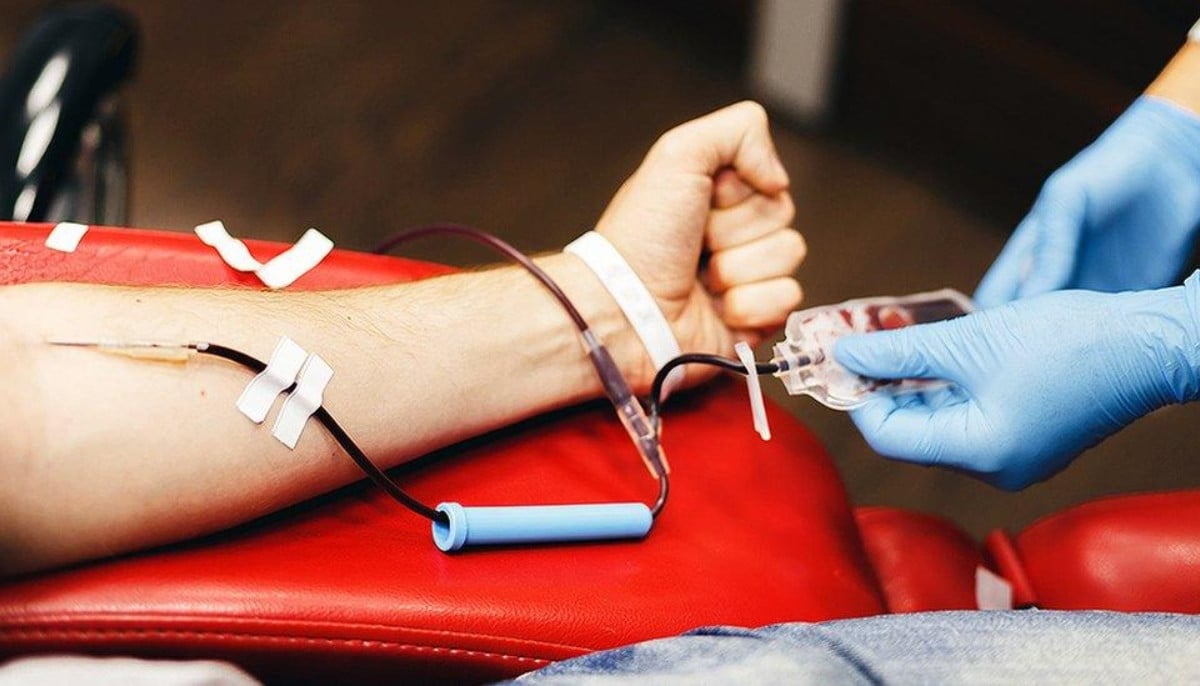
From fears that blood donation makes you weak to concerns about infections and needles, several myths continue to discourage people from donating blood. In an interview with HT Lifestyle, Dr Anand Deshpande debunked the most common misconceptions.
Myth 1: One donation does not make a difference
Many believe a single blood donation has little impact, but Dr Deshpande says that is incorrect.
One donation can help multiple patients, as blood is separated into red cells, plasma and platelets.
“One unit of blood is utilised for three different patients,” the expert explained, emphasising that every donation counts.
Myth 2: Only rare blood groups are needed
Another common misconception is that only rare blood types are in demand. Dr Deshpande clarified that common blood groups such as B positive and O positive are equally essential.
“If there are more patients of a blood group, there is naturally a higher need for donors of that type,” he said, stressing the importance of all donors.
Myth 3: Vegetarians or thin people cannot donate blood
Eligibility for blood donation is not determined by diet or body type, according to the doctor.
Instead, key criteria include adequate haemoglobin levels, a minimum weight of 45 kg, and overall good health without major illness. Anyone meeting these conditions can donate safely.
Myth 4: Women should not donate blood
Dr Deshpande strongly rejected this belief, calling it a myth.
Women are encouraged to donate blood if they meet medical requirements. However, he noted that haemoglobin levels in many women are often lower due to dietary or menstrual factors, which reduces eligibility.
“If they fit the criteria, they should come forward and donate,” he said.
Myth 5: Blood donation causes infections
The risk of infection during blood donation is virtually non-existent, the expert said.
All blood is collected using sterile, single-use equipment, and safety protocols are strictly followed at licensed centres regulated by health authorities.
Dr Deshpande advised donors to only visit approved blood banks to ensure full safety compliance.
Myth 6: Blood donation makes you permanently weak
While some donors may feel temporarily lightheaded, blood donation does not cause long-term weakness, the doctor clarified.
Around 10–15% of blood volume is collected during a donation, which is naturally replenished within days. Red blood cells recover within 4–6 weeks, while iron levels normalise within 8–12 weeks.
“Blood donation can make you temporarily weak, but not permanently weak,” he said.
He added that donors should stay hydrated, eat well, avoid strenuous activity for a short period, and rest adequately after donation.
Note to readers: This article is for informational purposes only and not a substitute for professional medical advice. Always seek the advice of your doctor with any questions about a medical condition.