Kitchen sponge use linked to microplastic release, new study finds
Study finds sponge use may release microplastics into wastewater systems
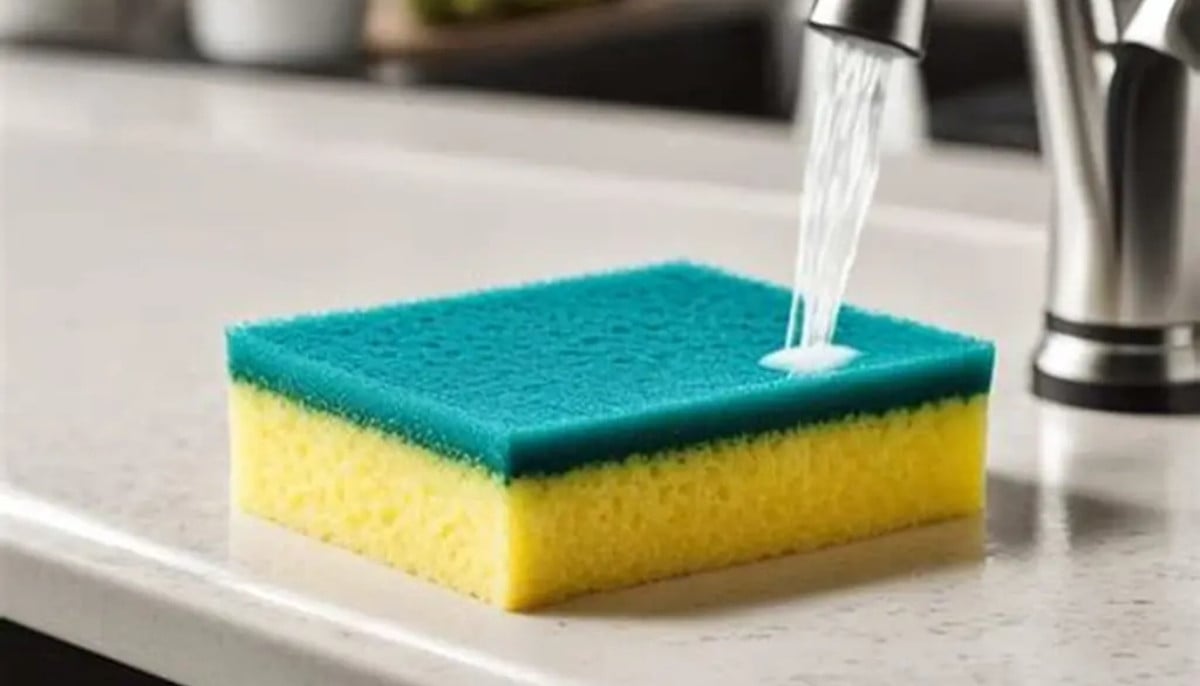
A frequently used household item in kitchens around the world may be contributing more to microplastic pollution than previously understood, according to a new study.
Researchers have found that kitchen sponges release measurable amounts of microplastics during normal use, raising concerns about their environmental impact as well as potential exposure through wastewater systems, People reported.
The study, published in Environmental Advances under the title From sink to Sea: Microplastic release from kitchen sponges and potential environmental effects, examined how different types of sponges degrade during dishwashing and how much plastic is released in the process.
How the study was conducted
The research team tested households in Germany and North America, where volunteers used three types of kitchen sponges over a 100-hour dishwashing period. The participants documented usage patterns, allowing researchers to assess how sponge wear contributed to microplastic shedding over time.
The findings showed that microplastic release increases as sponges are used more frequently, largely due to abrasion during scrubbing.
Microplastic release varies by sponge type
According to the study, the amount of microplastics released varied significantly depending on the sponge material. Researchers estimated that kitchen sponges could contribute between 0.68 and 4.21 grams of microplastics per person per year.
Sponges with lower plastic content performed better in terms of environmental impact. Organic sponges, which contain less synthetic material, were found to release fewer microplastics compared with fully synthetic alternatives. One tested organic sponge contained approximately 15.9% plastic content, significantly reducing its shedding levels.
Environmental concerns linked to daily use
Researchers also found that increased sponge use can have broader environmental consequences, as microplastics are washed into wastewater systems during routine dishwashing.
The study noted that the issue is not only related to sponge abrasion itself, but also to the volume of water used in the cleaning process, which helps carry microplastics into drainage systems and eventually into the environment.
It concluded that reducing plastic content in household sponges could significantly lower microplastic emissions and help limit environmental contamination.
Growing concern over microplastics exposure
Microplastics have been detected in a wide range of environments and even in human tissues, including the lungs, liver, kidneys, blood vessels, and brain. While the long-term health effects in humans are still being studied, research has linked microplastics to oxidative stress, inflammation, and potential cardiovascular risks.
Scientists continue to call for further research into how everyday household products contribute to plastic pollution and what steps can be taken to reduce exposure.
What this means for consumers
Although the study highlights an environmental concern, researchers emphasize that small changes—such as choosing sponges with lower plastic content or more biodegradable materials—may help reduce microplastic release over time.
As awareness of microplastic pollution grows, even ordinary household items like kitchen sponges are now being re-examined for their role in the wider environmental footprint.
Note to readers: This article is for informational purposes only and not a substitute for professional medical advice.