Expert explains how 90-second rule assists anger management
Implementing a brief biological countdown helps individuals achieve successful anger management during stressful triggers
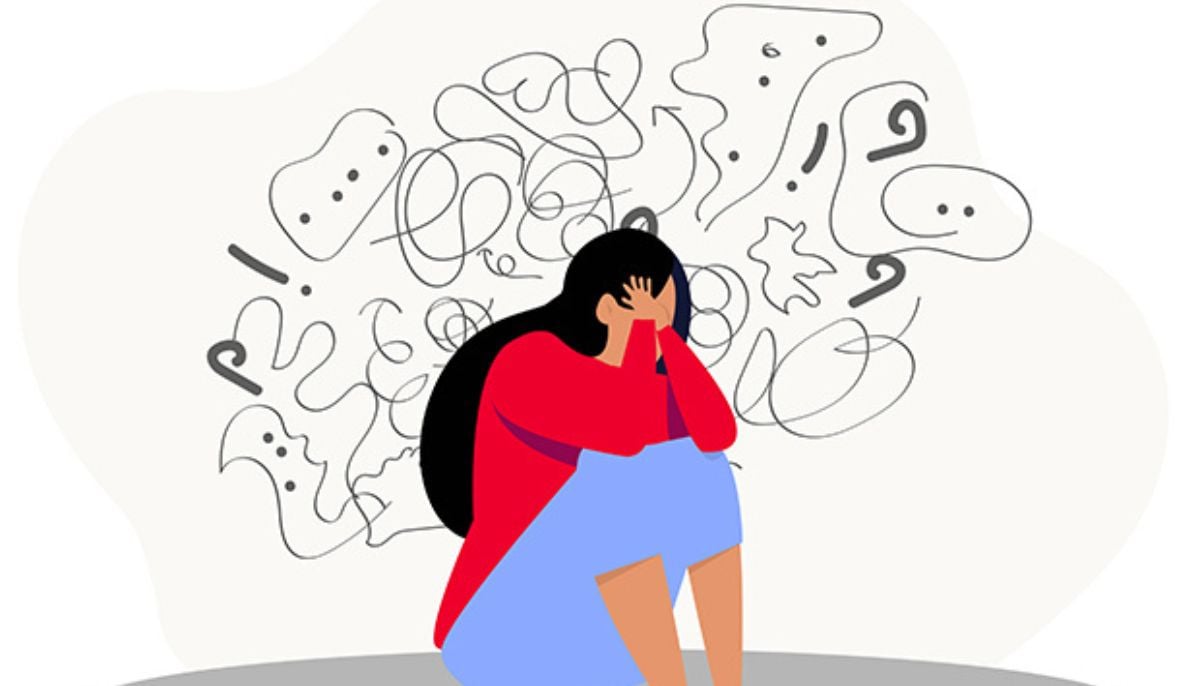
Dharamshila Narayana Superspeciality Hospital Director and Head Cardiologist Dr Pradeep Kumar Nayak shared critical medical advice on Wednesday regarding how individuals can utilize a specific biological pause to improve their anger management. Intense emotional outbursts trigger extensive physiological repercussions that silently place cardiovascular well-being at severe risk. Nayak explained that while anger is a normal human emotion, uncontrolled reactions cause immediate physical strain that can carry dangerous health consequences.
HT Lifestyle reported that anger functions as an intense physiological response that releases a sudden rush of adrenaline and cortisol throughout the human body. This chemical surge causes an immediate spike in heart rate and blood pressure while simultaneously constricting blood vessels and increasing the total workload placed on the heart.
For individuals navigating pre-existing heart conditions, severe episodes of fury significantly raise the short-term likelihood of experiencing a heart attack or an irregular heartbeat. Furthermore, experiencing these uncontrolled outbursts repeatedly over an extended timeframe can result in long-term high blood pressure and permanent injury to the blood vessels.
The Failure of Aggressive Outlets
- Reinforcing negative habits: Shouting or breaking objects does not successfully release internal tension.
- Increased recurrence: Reacting aggressively makes the volatile behaviour more likely to be repeated during future conflicts.
- Healthy processing required: Individuals must focus on processing their distress healthily rather than suppressing or explosively venting their feelings.
The 90-Second Rule
Implement a pause: Individuals should execute a 90-second pause and take slow, deep breaths before delivering any reaction to an emotional trigger.
- Physical removal: Walking away from the immediate environment helps reduce active stress hormones.
- Label the emotion: Naming the specific feeling immediately helps minimise the overall intensity of the psychological outburst.
- Identify root causes: Testing the underlying drivers often reveals that the anger is masking deeper stress, disappointment, fear, or physical hurt.
Long-Term Prevention Priorities
- Sleep hygiene: Securing adequate rest prevents low emotional thresholds caused by physical exhaustion.
- Regular exercise: Engaging in consistent physical activity naturally lowers baseline tension.
- Stress management: Developing daily relaxation techniques keeps overall frustration levels within a manageable range.
Signs Reflecting a Need for Professional Assistance
- Loss of control: The internal rage feels entirely unmanageable or unpredictable during daily life.
- Damaged connections: The recurring emotional outbursts cause persistent trouble within workplace operations or personal relationships.
- Escalating aggression: The individual becomes verbally or physically aggressive toward other people.
- Co-occurring distress: The person simultaneously battles ongoing feelings of anxiety, depression, or overwhelming stress.
Note: This article is for general information only and does not replace professional medical advice. Always consult your doctor with questions about a medical condition.