Cyclosporiasis cases surge: things to know about GI infection
Experts explain symptoms, treatment, ways to reduce infection risk
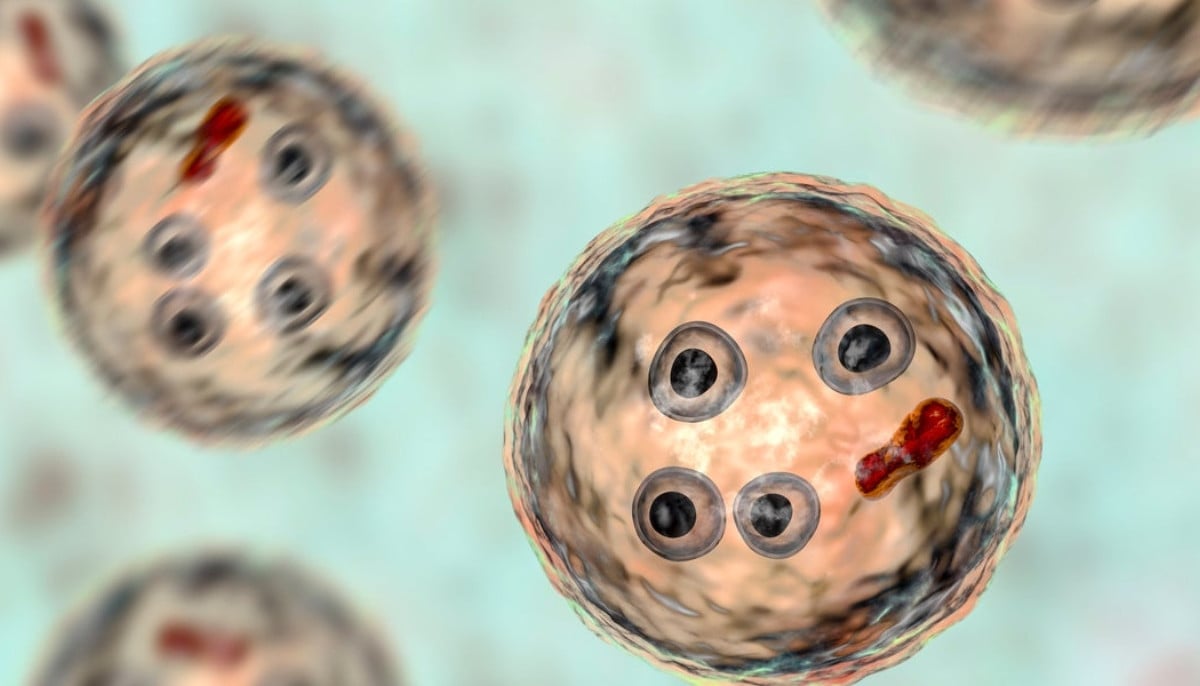
Cyclosporiasis cases are rising across the United States this summer, with hundreds of confirmed infections reported as health officials investigate the source of the outbreak. The parasitic illness is known for causing prolonged diarrhoea and is most commonly linked to contaminated fresh produce.
Cyclosporiasis outbreak under investigation
The US Centers for Disease Control and Prevention (CDC) has confirmed 843 cases and 86 hospitalisations since May 1, although officials believe the actual number of infections is higher. Cases have been reported across 31 states, with the Midwest and Northeast among the hardest-hit regions.
Investigators have not yet identified the source of the current outbreak. Previous outbreaks have been linked to contaminated produce, including leafy greens, basil, cilantro, raspberries and peas.
Experts said tracing infections can be difficult because symptoms may not appear for up to two weeks after exposure, making it harder for patients to recall what they ate.
Diarrhoea among key symptoms
Watery diarrhoea is the most common symptom of cyclosporiasis, but patients may also experience stomach cramps, bloating, nausea, vomiting, fatigue, fever, headache, weight loss and loss of appetite.
Some people recover and then experience recurring symptoms for several weeks. Health experts advise seeking medical care if diarrhoea persists or signs of dehydration develop.
Children, older adults, pregnant women and people with weakened immune systems may face a greater risk of severe illness.
Doctors say infection is treatable
Doctors typically confirm the infection through a stool test before prescribing antibiotics, most commonly trimethoprim-sulfamethoxazole (Bactrim).
Although washing fruits and vegetables is recommended, experts caution that rinsing produce alone may not completely remove the parasite. They also advise washing hands thoroughly before and after handling fresh produce.
Public health officials have not advised people to stop eating fresh fruits and vegetables but recommend following food safety practices and monitoring official health updates as the investigation continues.
Note to readers: This article is for informational purposes only and not a substitute for professional medical advice. Always seek the advice of your doctor with any questions about a medical condition.