Want more energy? Here's the best time to eat dates
Dietitians reveal when to eat dates for the greatest health benefits
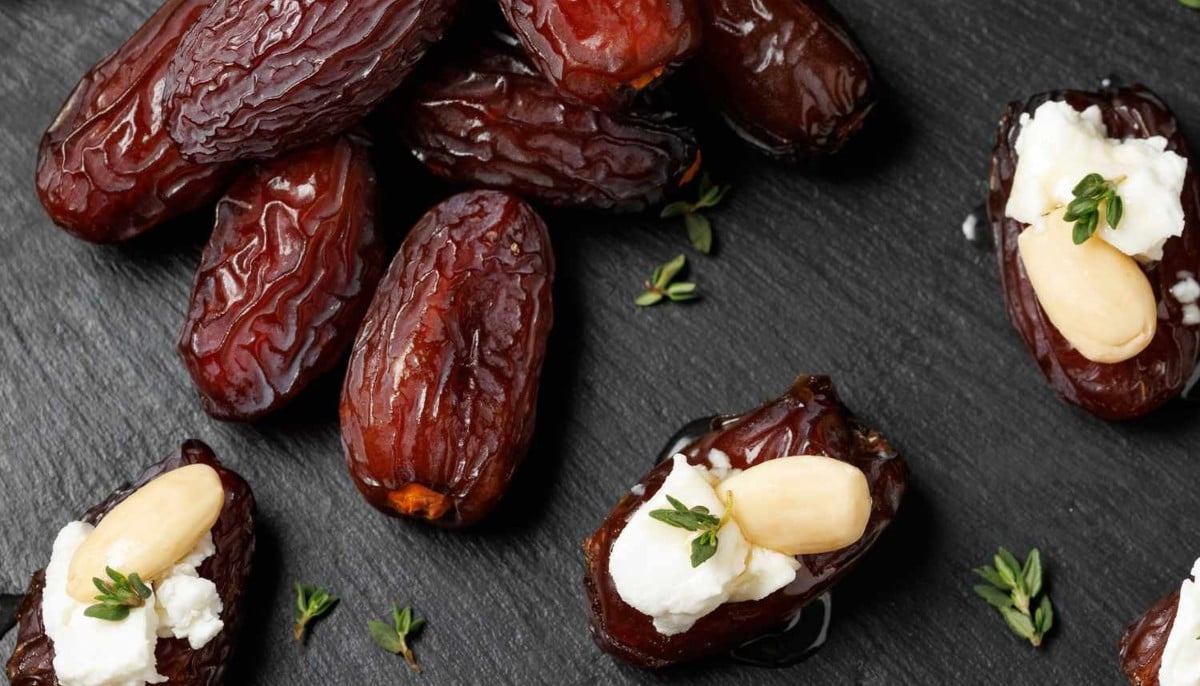
Dates are packed with natural sugars, fibre and potassium, making them a nutritious snack for energy, digestion and workout recovery. While experts say there's no single "perfect" time to eat them, certain times of day may help maximise their benefits.
When to eat dates for an energy boost
Because dates are rich in natural carbohydrates, they provide quick energy.
Dietitians recommend eating them:
- Between meals to help beat an afternoon energy slump.
- Before a workout to fuel exercising muscles with carbohydrates and potassium.
- After exercise, especially when paired with protein, to replenish glycogen stores and support muscle recovery.
Dates may also support healthy digestion
Dates contain fibre and plant compounds that may promote digestive health.
Experts say they make an excellent snack between meals because their fibre helps support regular digestion throughout the day. Drinking water alongside dates may also help fibre move more effectively through the digestive tract.
Pair dates with protein for better blood sugar balance
Although dates contain naturally occurring sugars, they also provide fibre and important nutrients.
To help slow sugar absorption, dietitians recommend pairing dates with protein-rich foods such as:
- Greek yoghurt
- Cottage cheese
- Peanut butter
- Almond butter
This combination may help keep blood sugar levels steadier while making the snack more filling.
There's no single best time
Ultimately, experts say the best time to eat dates depends on your routine and health goals. Whether you enjoy them as a pre-workout snack, an afternoon pick-me-up or part of a balanced snack, dates can be a nutritious addition to a healthy diet.
Note to readers: This article is for informational purposes only and not a substitute for professional medical advice. It is based on user-generated content from social media, and the claims have not been independently verified.